DadaLoop Photos
Photography by Daniel Stimpfl
↓Gallery
Choose an album to explore the photos
🧳 Travels
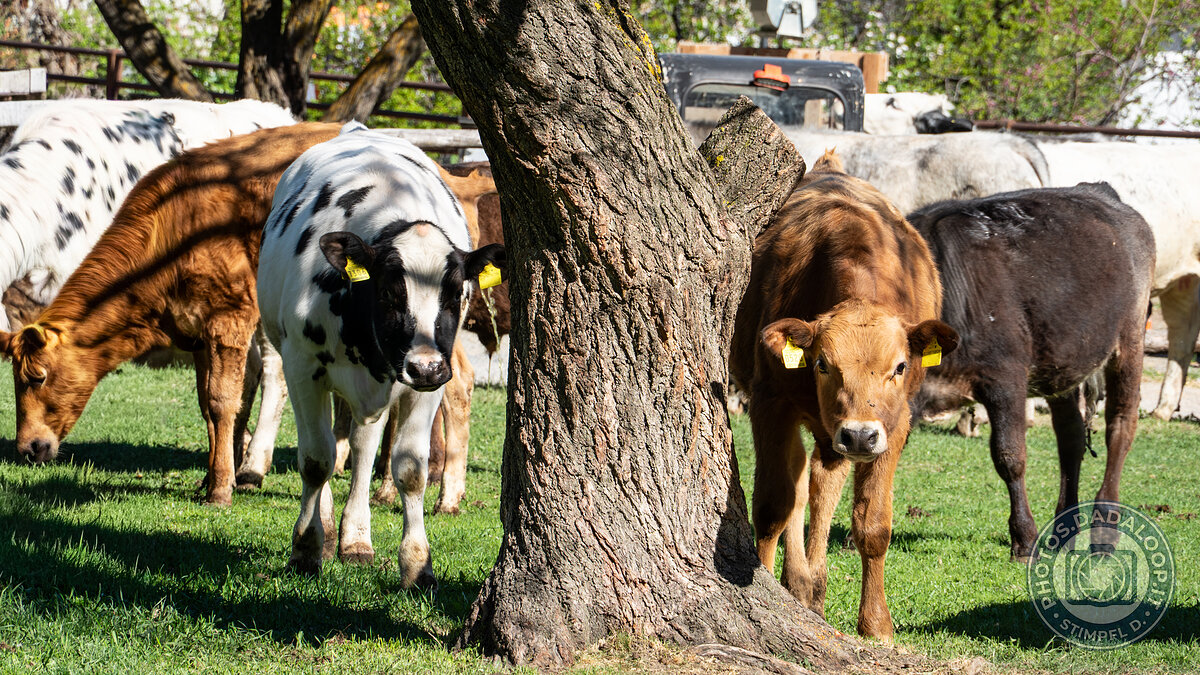
Ruine Lichtenberg - Castel Montechiaro: Photo Journey
3 albums · 21 photos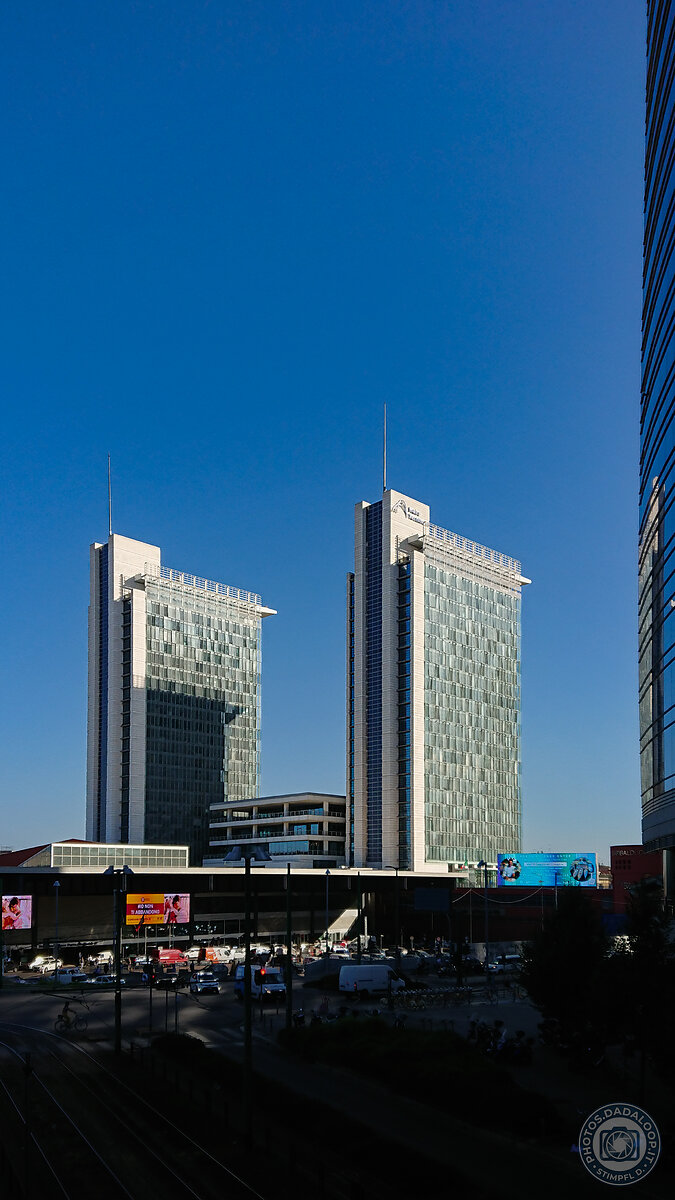
Kirchturm Alt-Graun - Campanile lago di Resia: Photo Journey
3 albums · 46 photos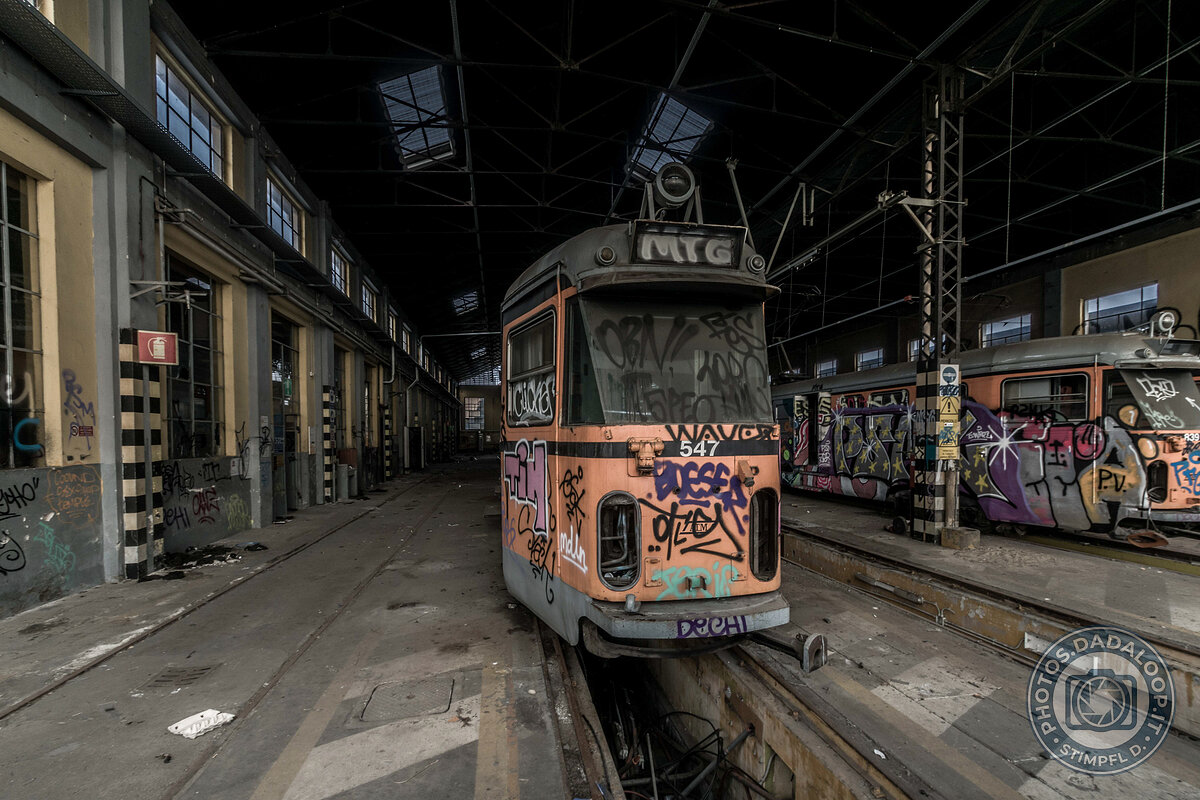
Castello Visconteo: Photo Journey
5 albums · 56 photos📍 Places
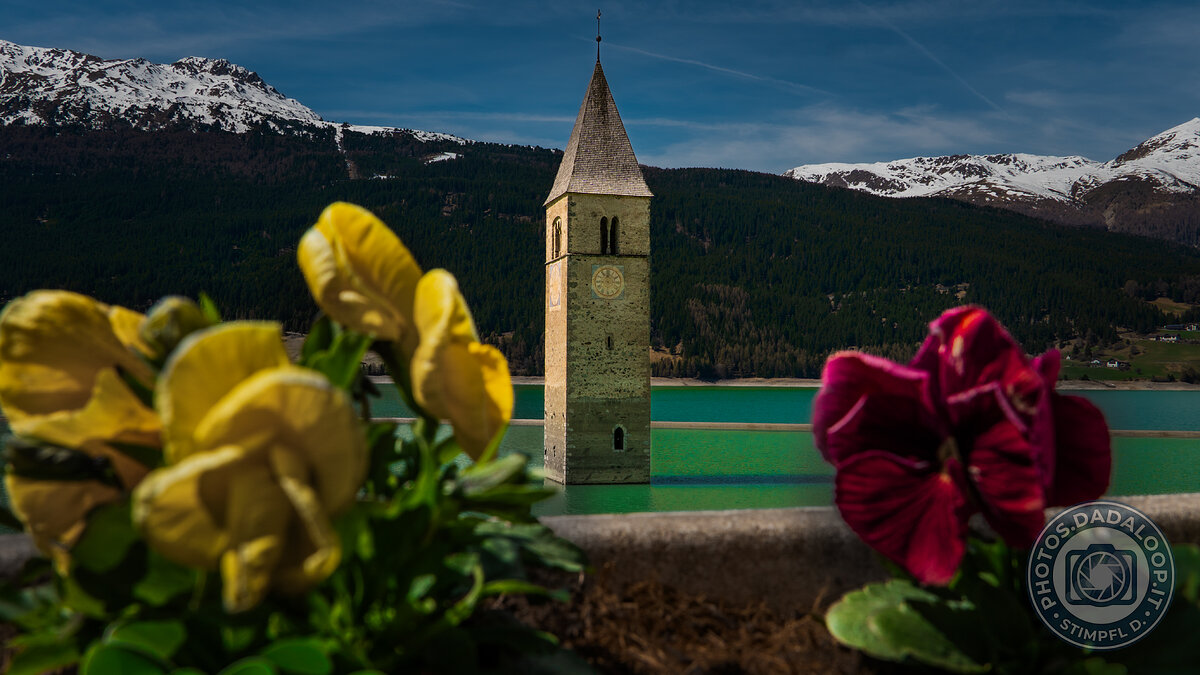
Kirchturm Alt-Graun - Campanile lago di Resia
8 photos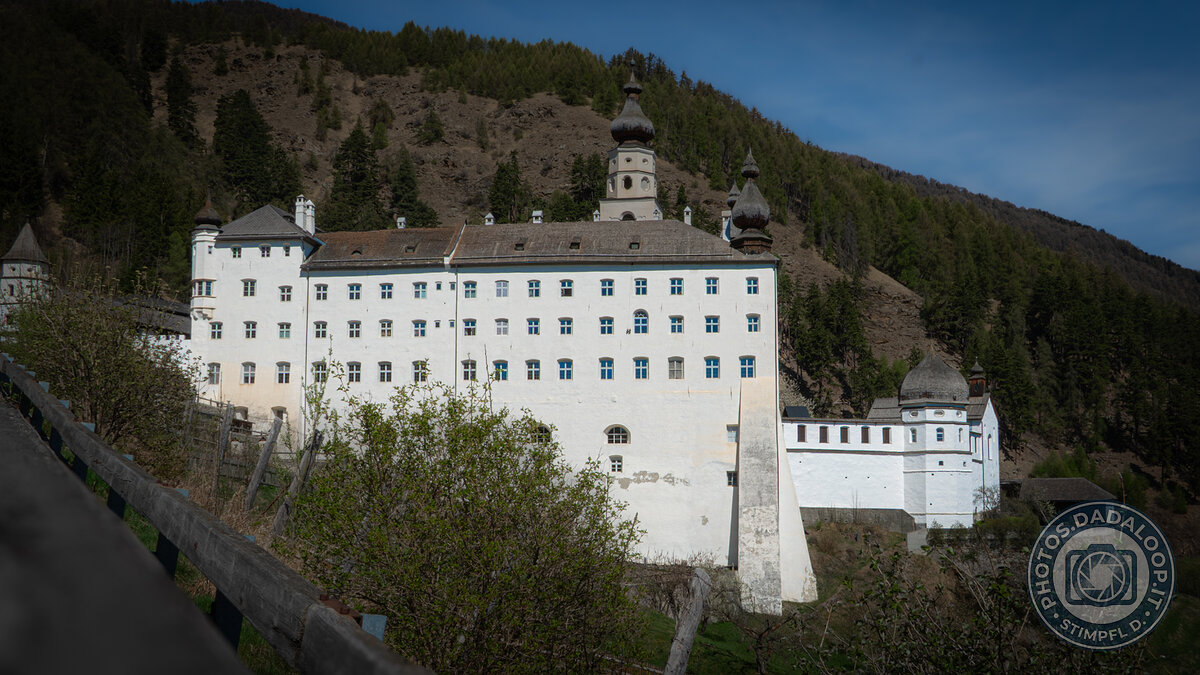
Fürstenburg
6 photos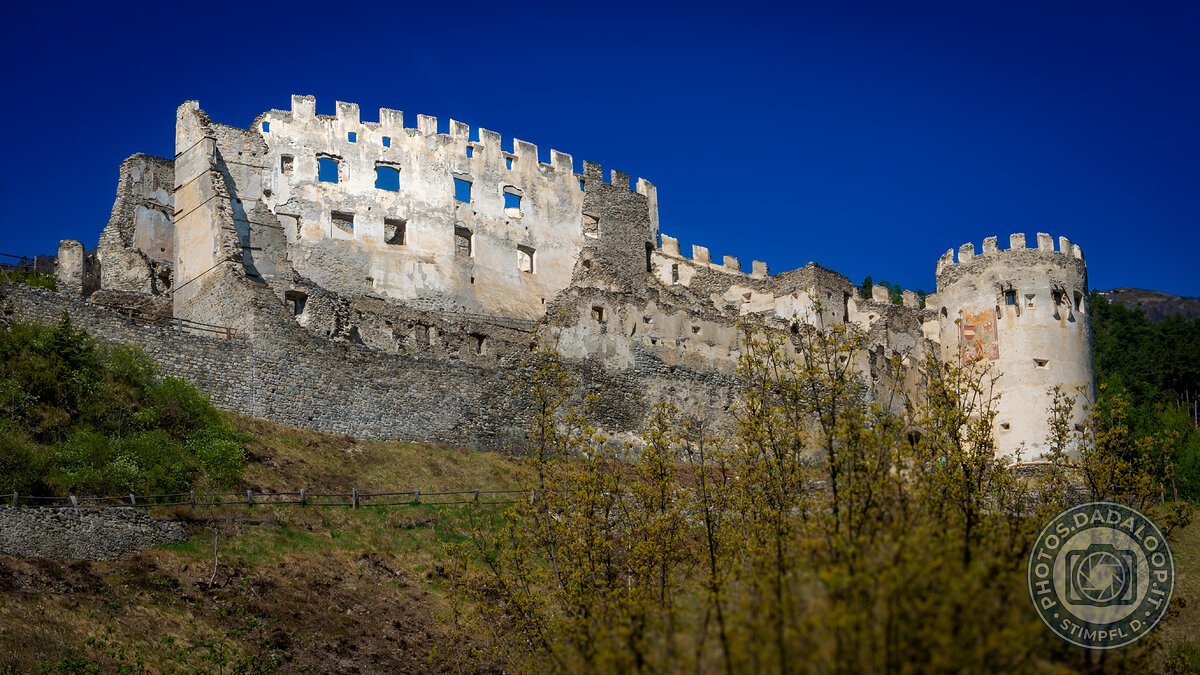
Ruine Lichtenberg - Castel Montechiaro
10 photos📷 Albums
Animali da fattoria
4 photos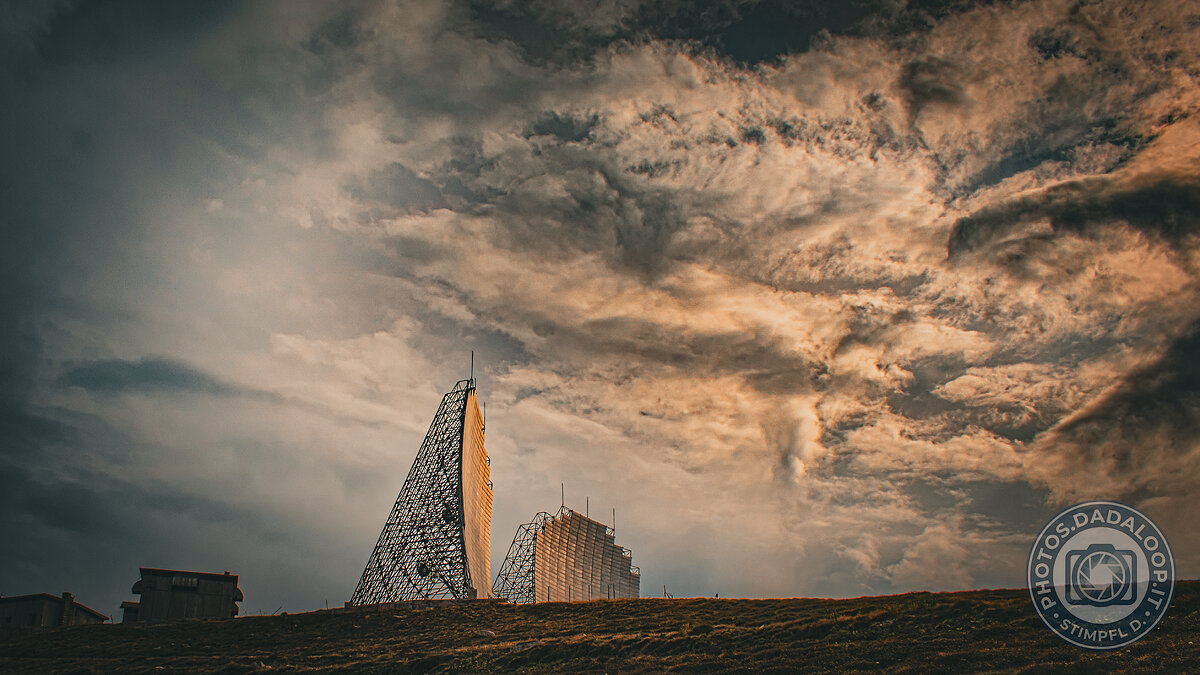
Antennas and Satellite Dishes
6 photos
Abandoned Architecture
8 photos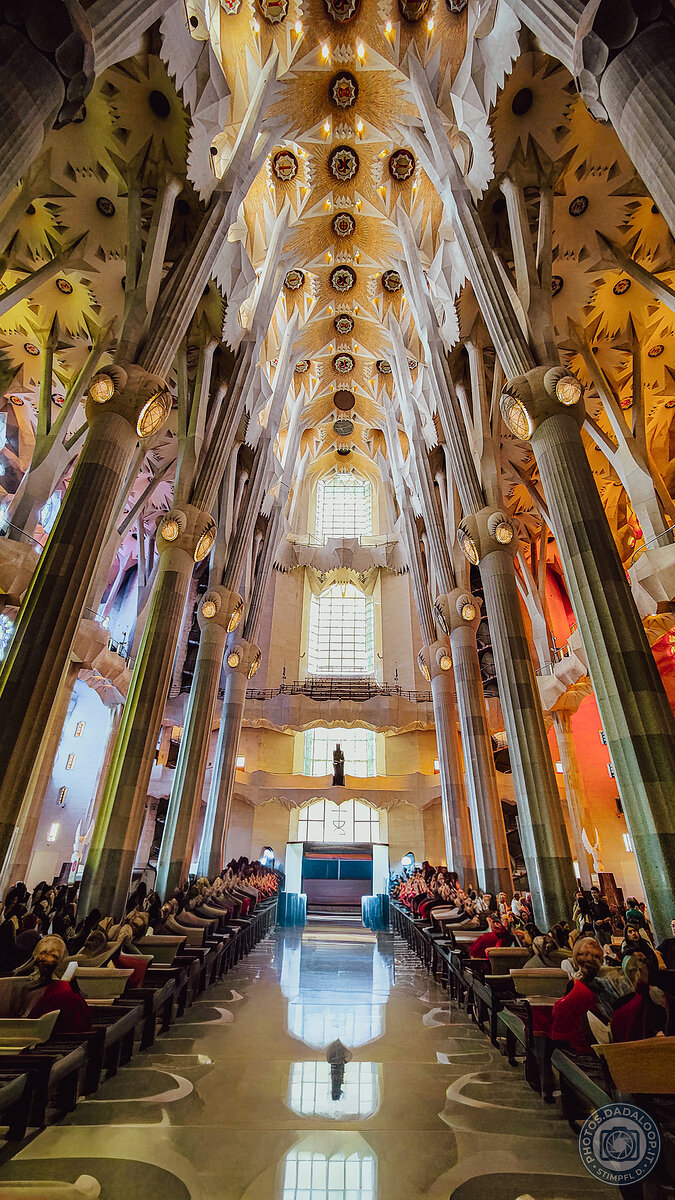
Gaudí Architecture
8 photos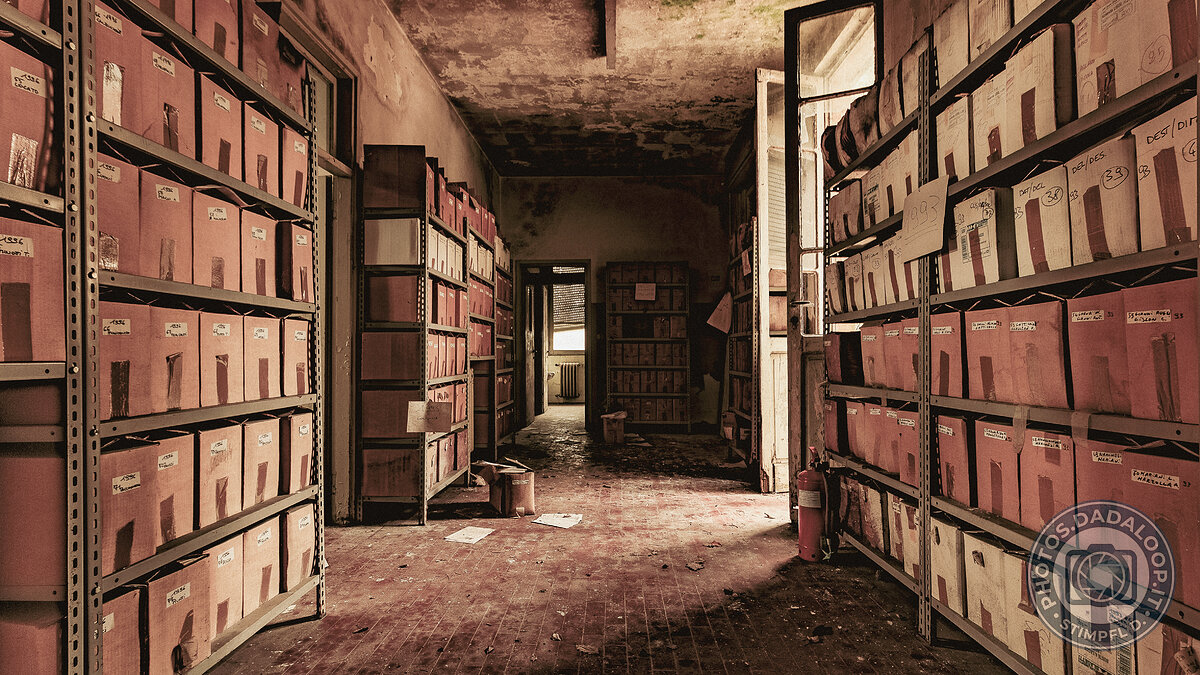
Archivi Abbandonati
1 photos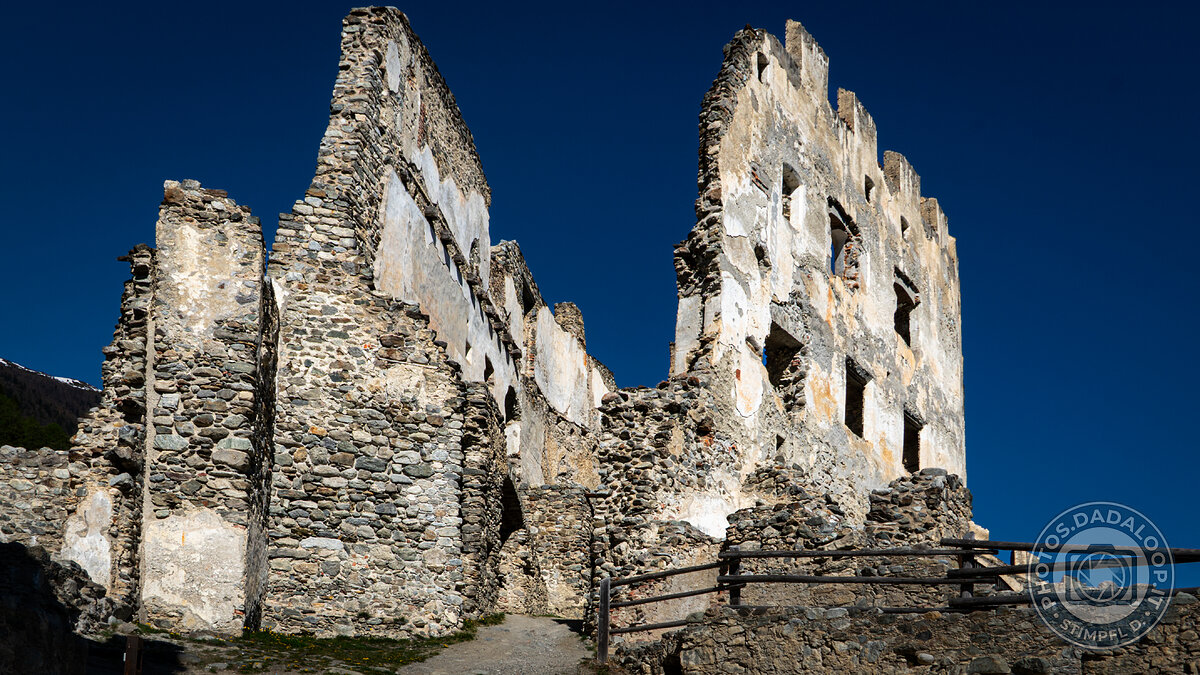
Castelli e Rovine Storiche
8 photos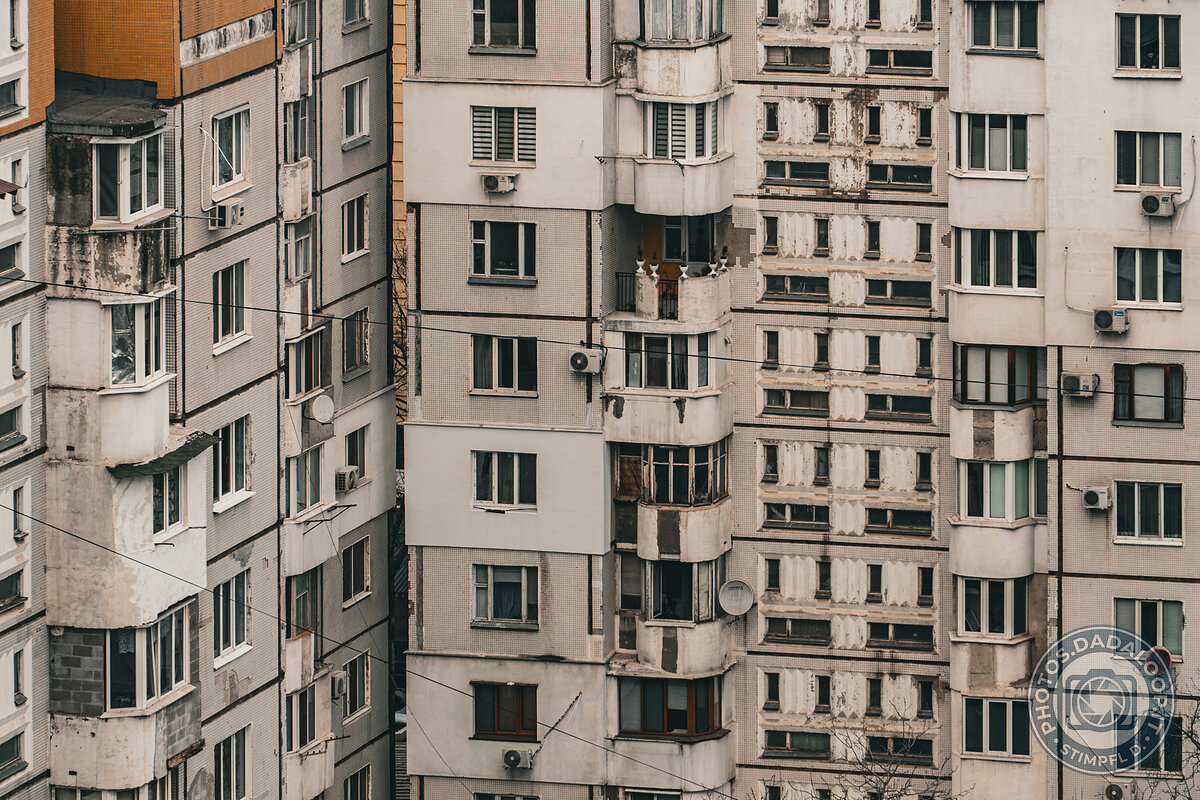
Chișinău
54 photos
Dettagli Architettonici
9 photos
Abandoned Factory and Industry
29 photos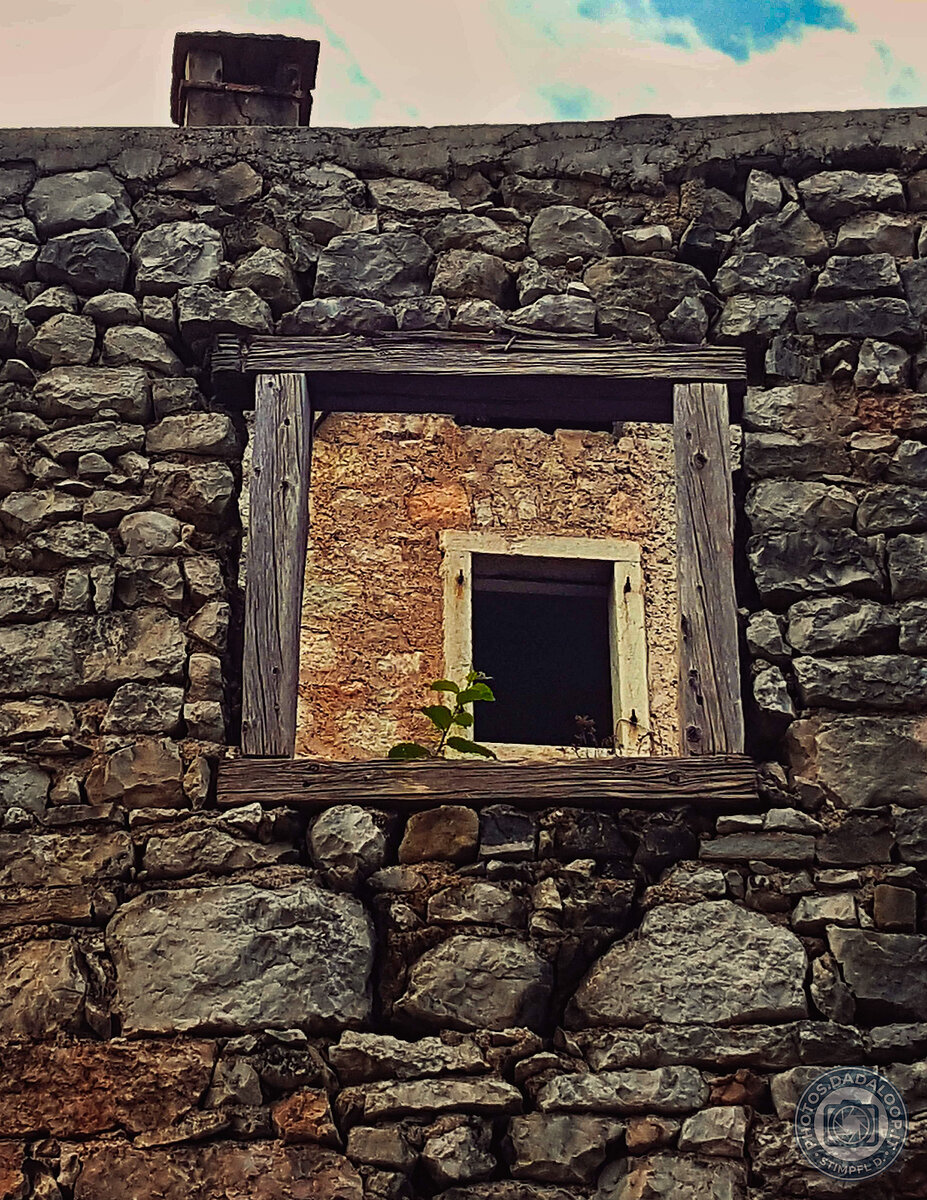
Rustic Windows
1 photos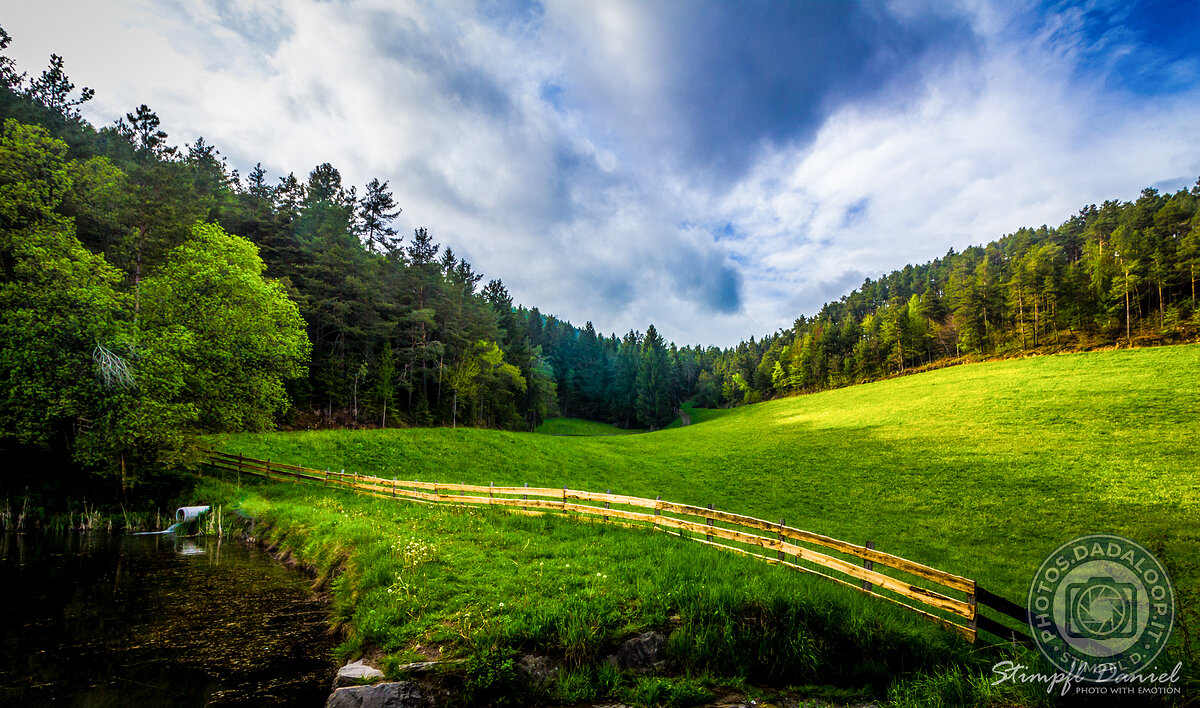
Forests and Trails
11 photos
Cats
9 photos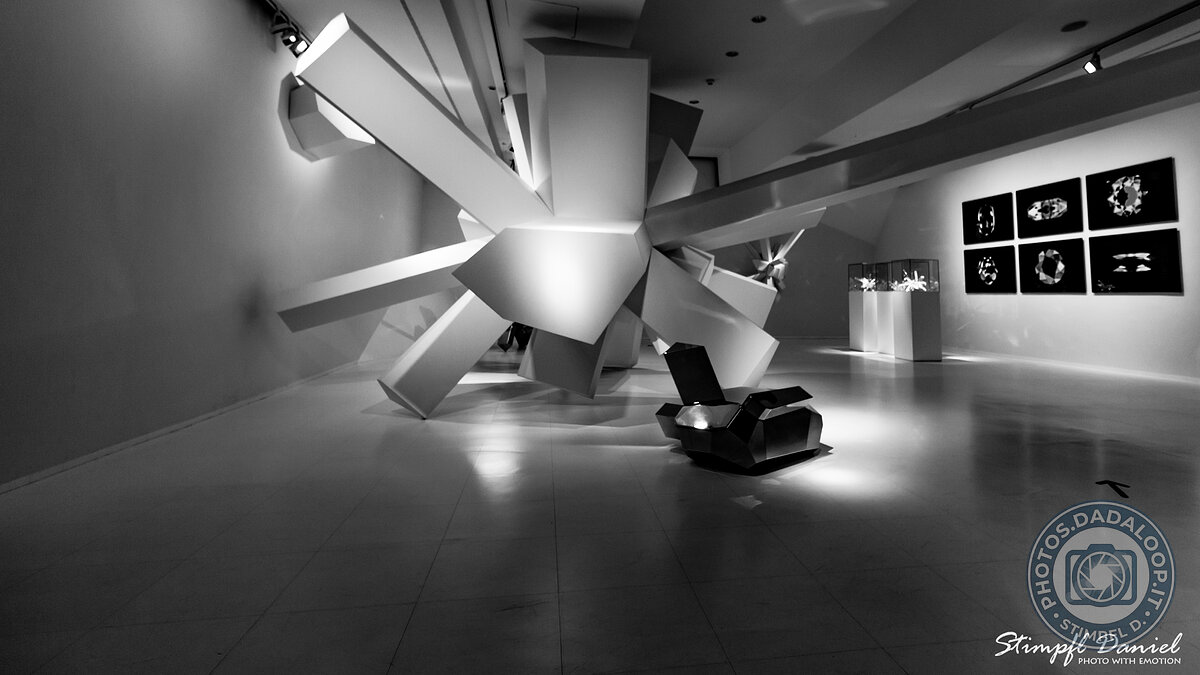
Art Installations
4 photos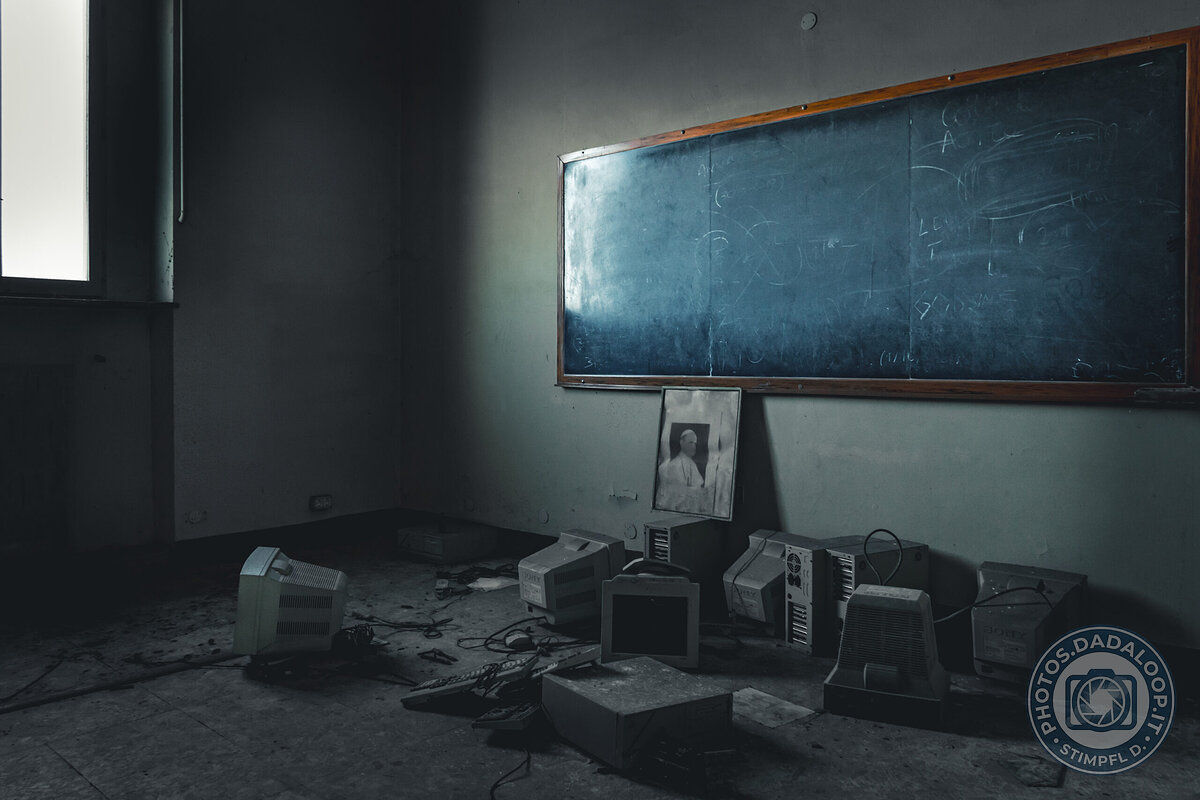
Abandoned Lab and Technology
3 photos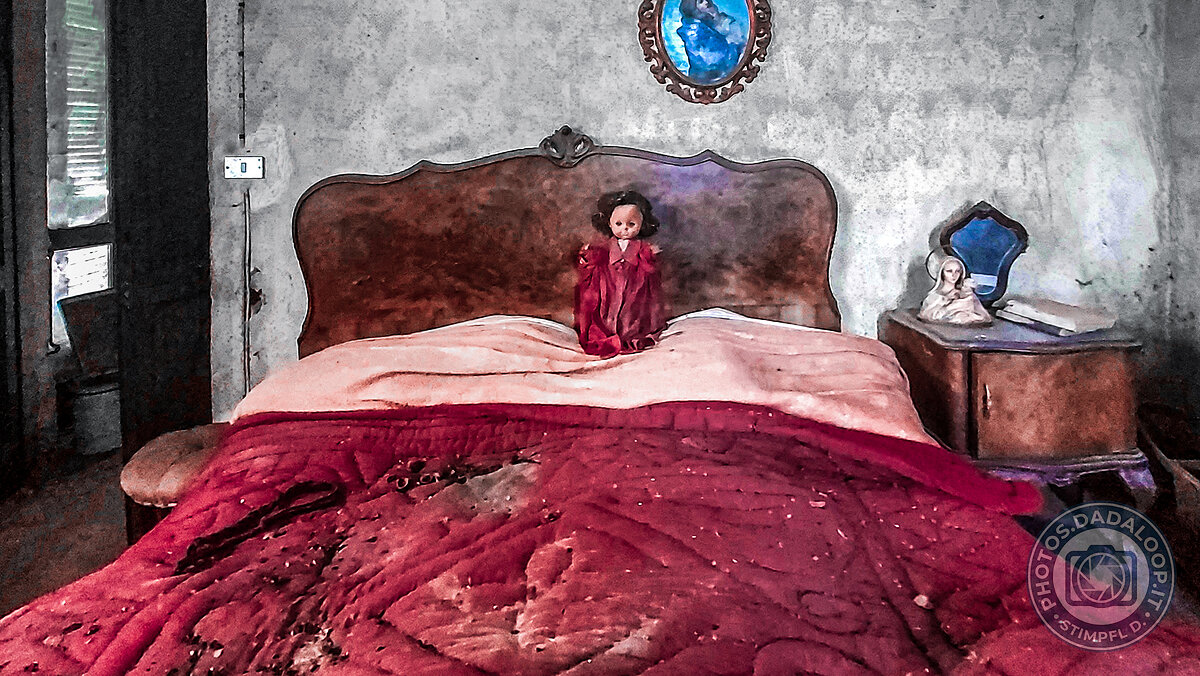
Nature Reclaiming
10 photos
Oggetti vintage
3 photos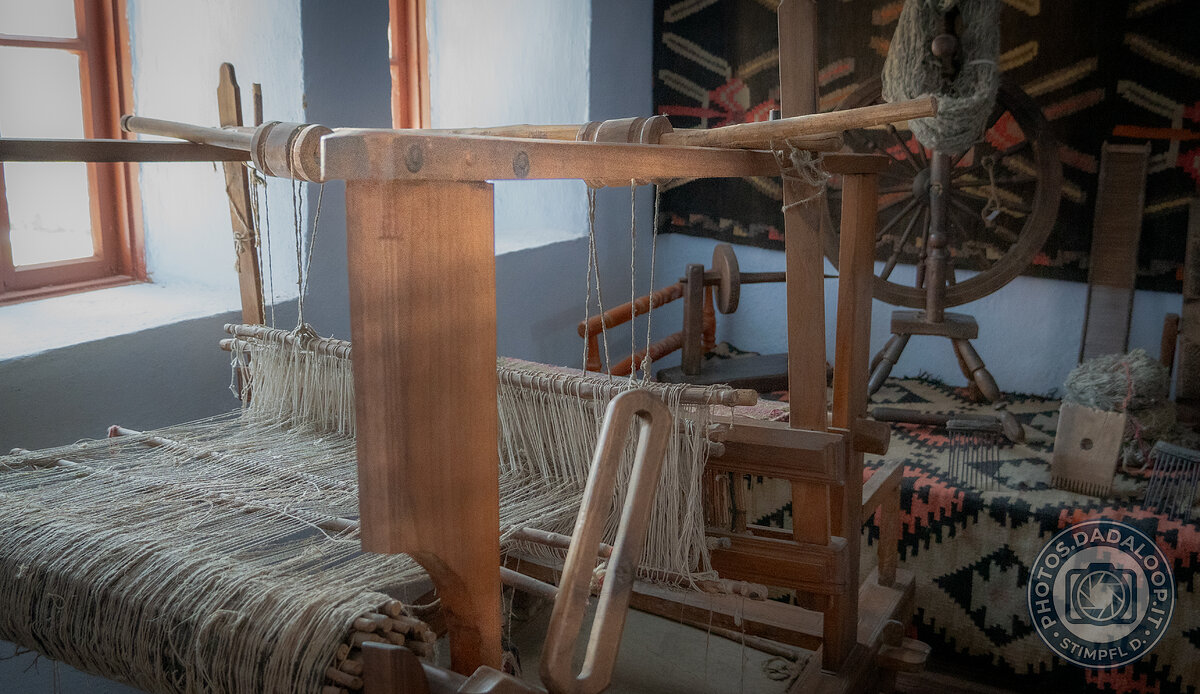
Orheiul Vechi & Butuceni
10 photos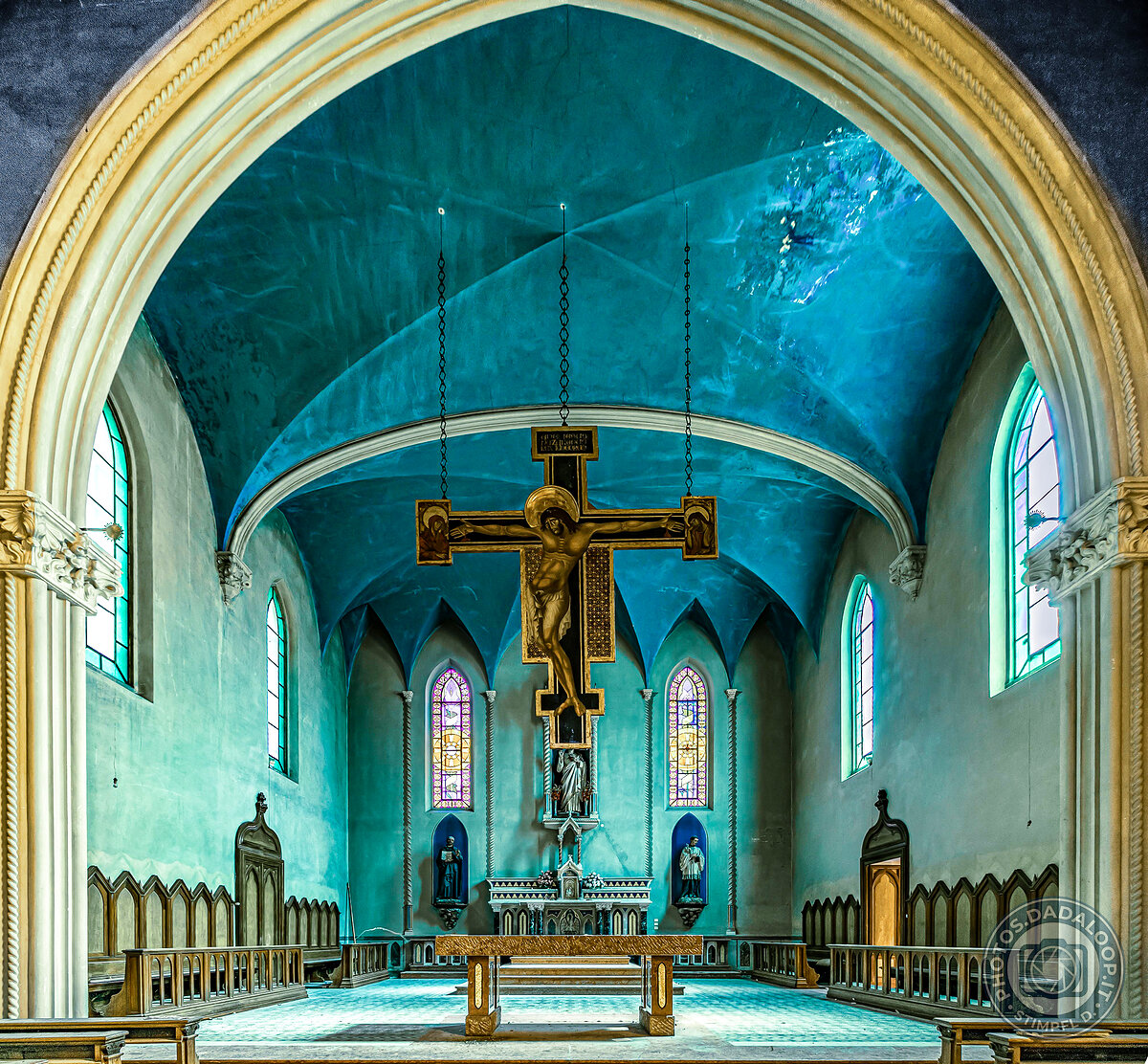
Abandoned Hospital
5 photos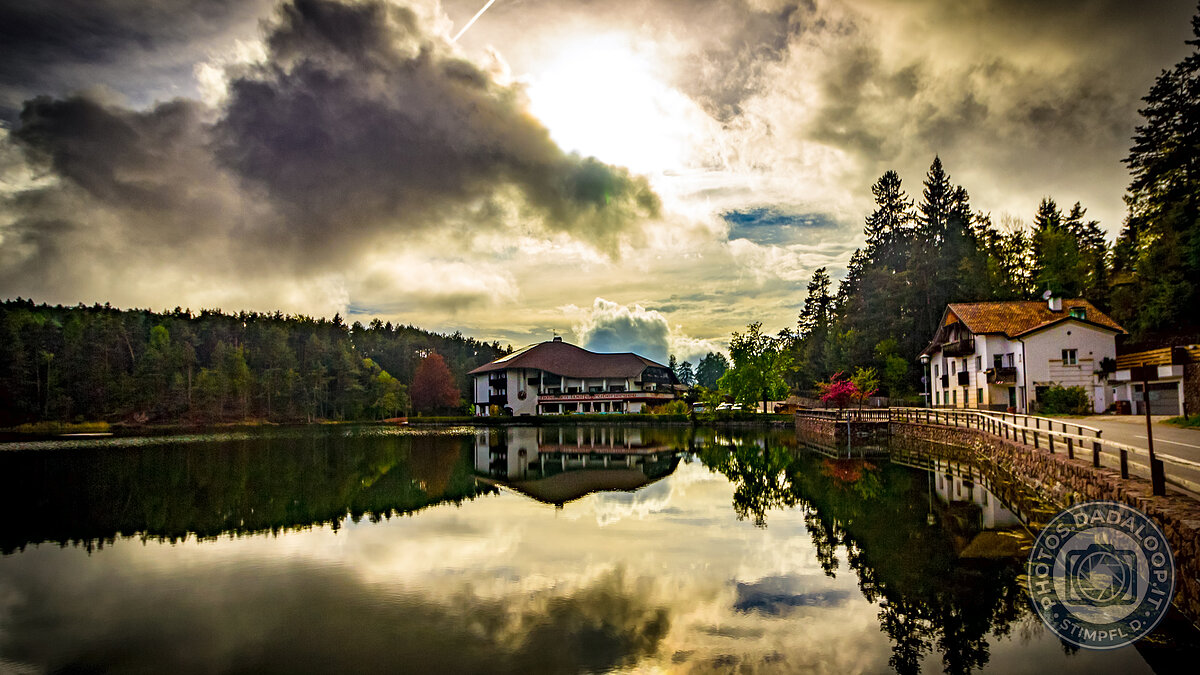
Panorama
29 photos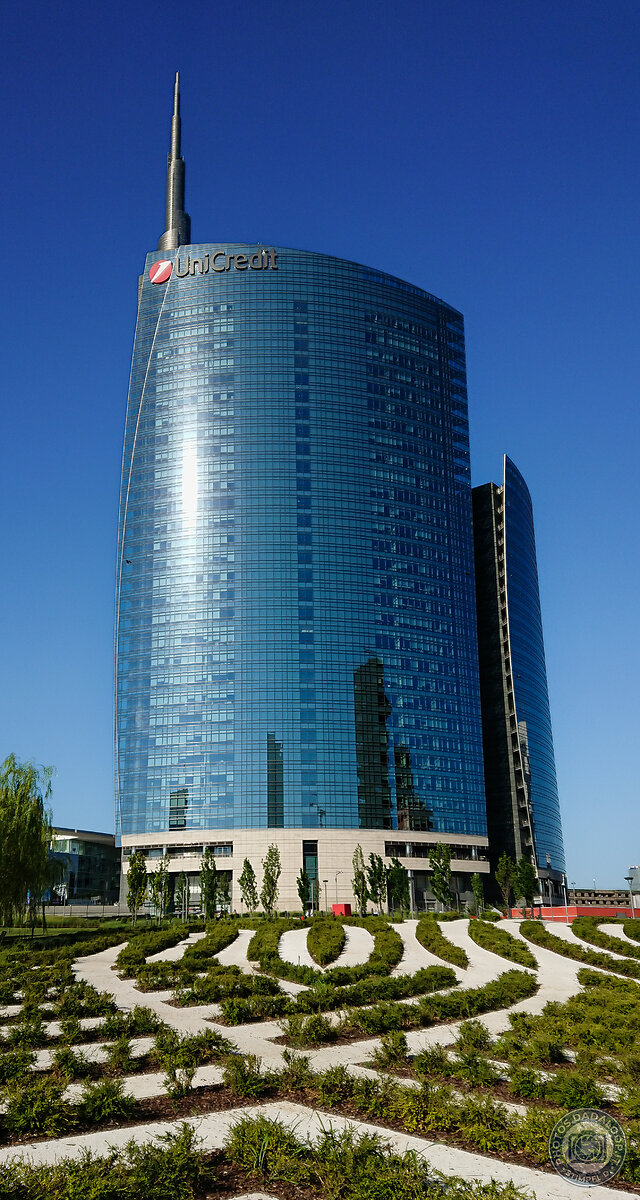
Parks and Attractions
4 photos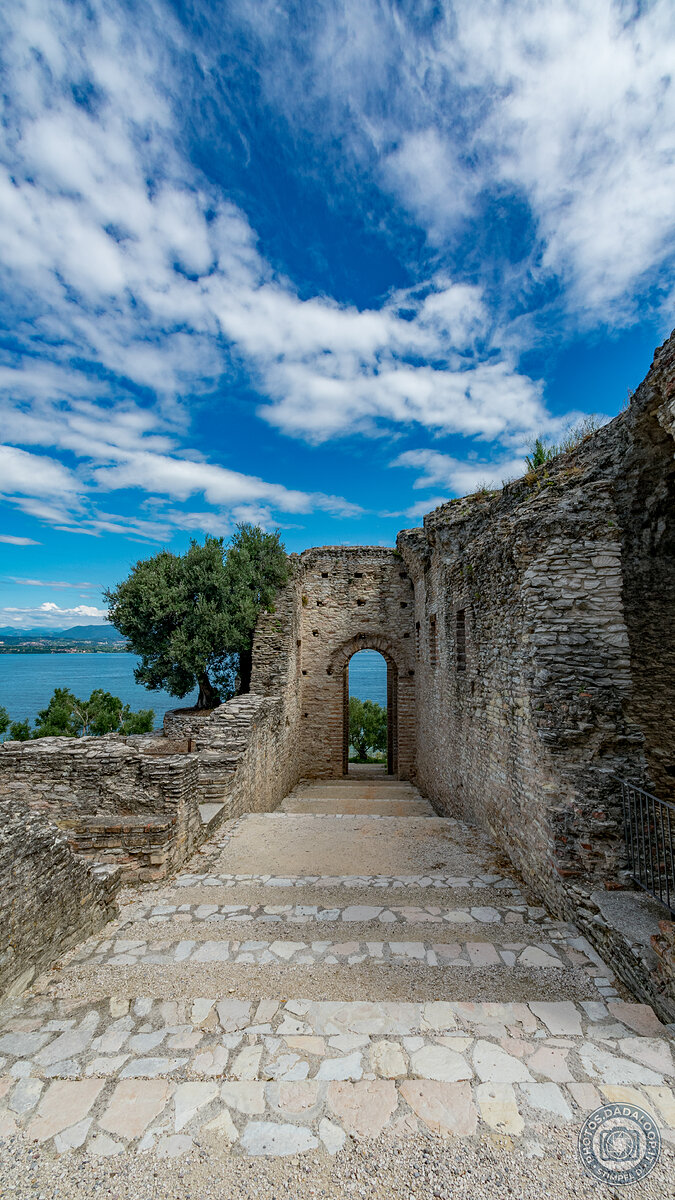
Portals and Thresholds
3 photos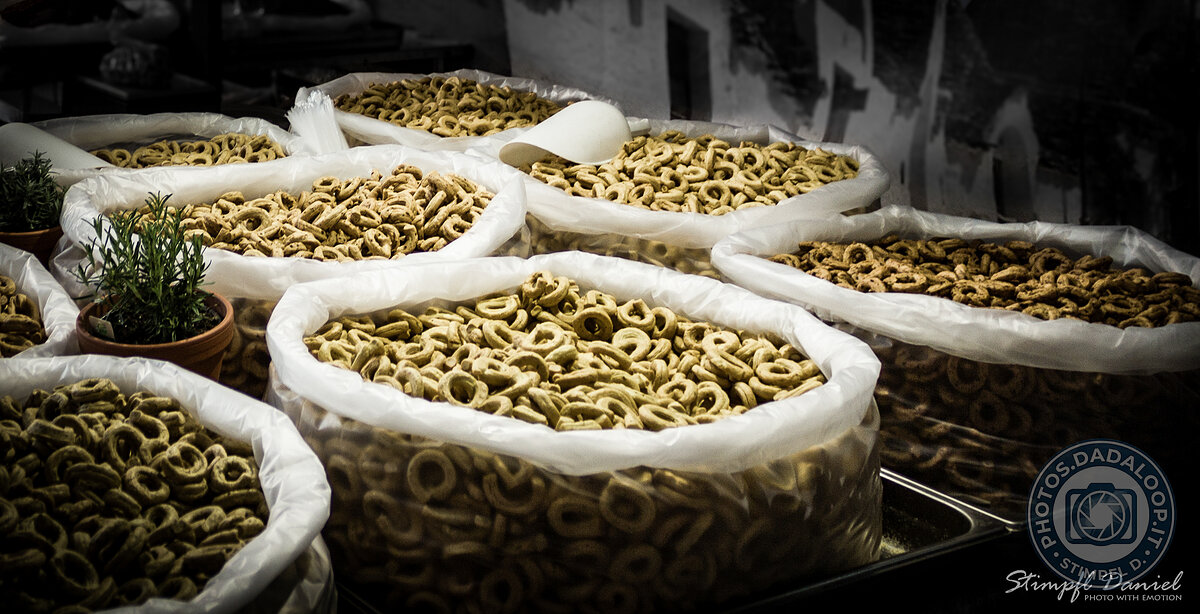
Prodotti tipici e gastronomia
1 photos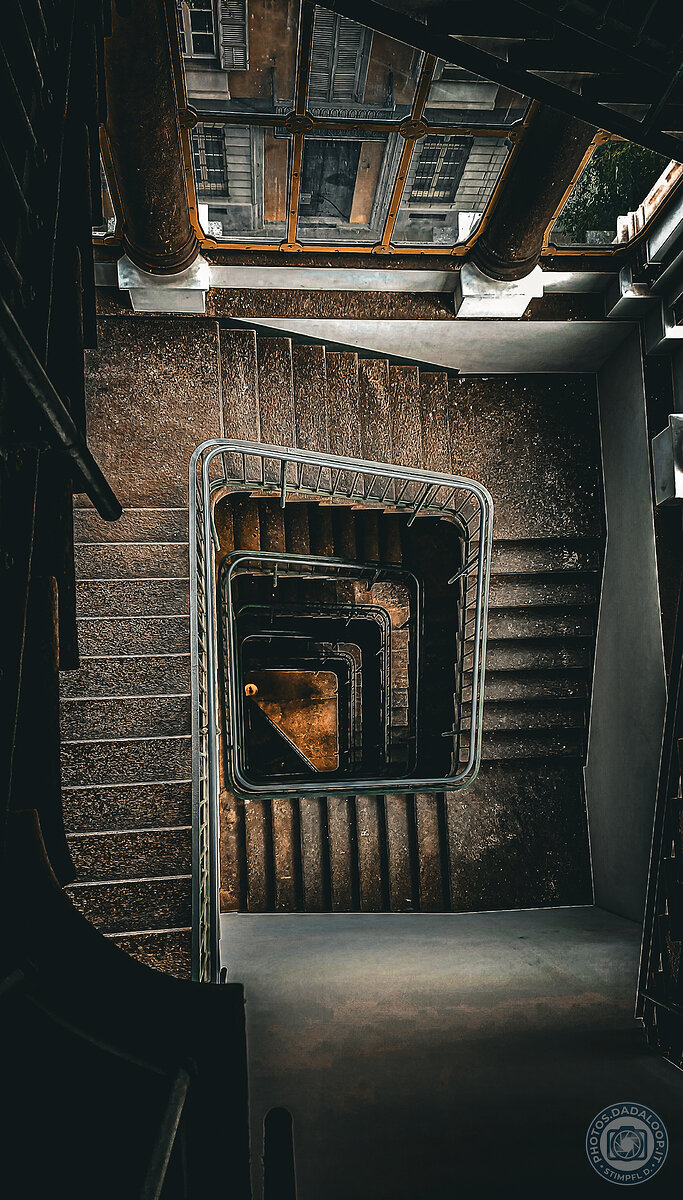
Stairs and Architecture
5 photos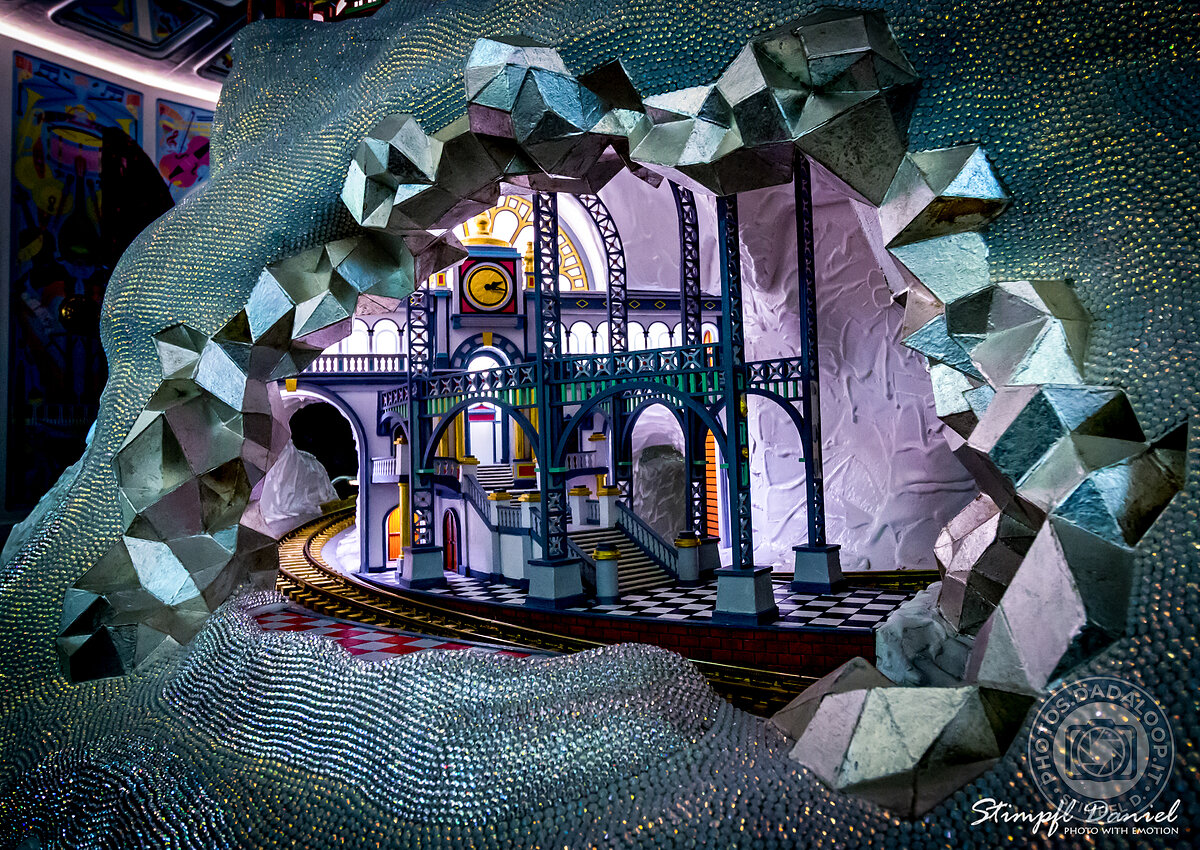
Urban Sculptures and Installations
3 photos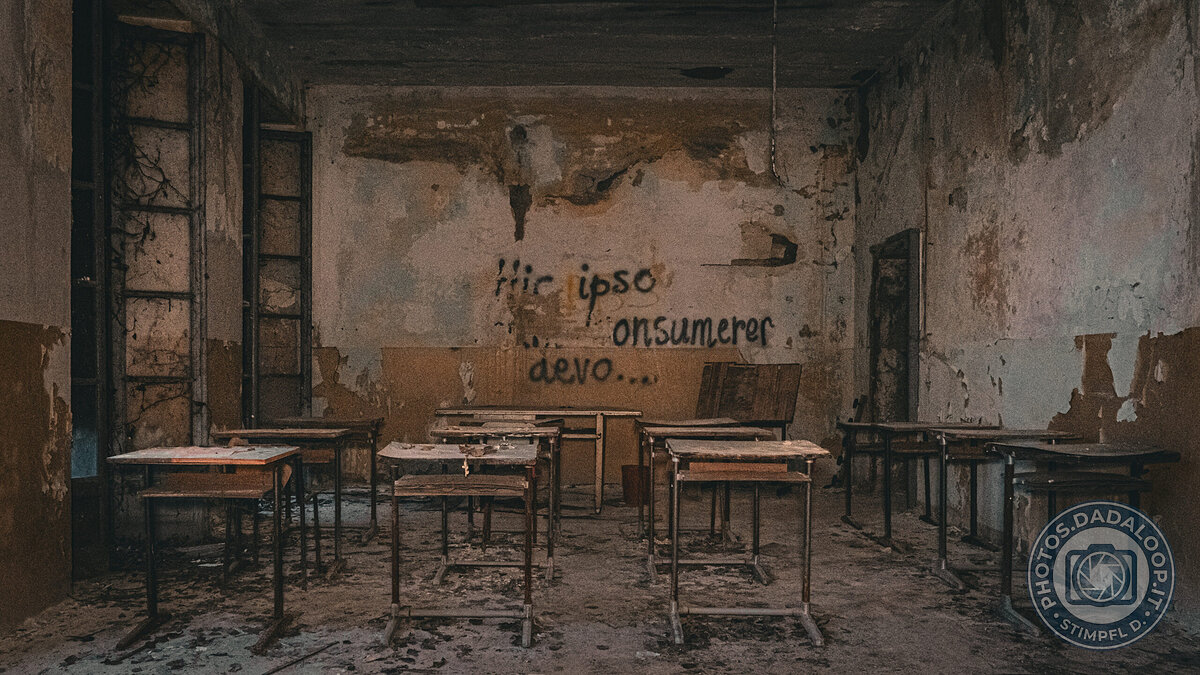
Abandoned School
8 photos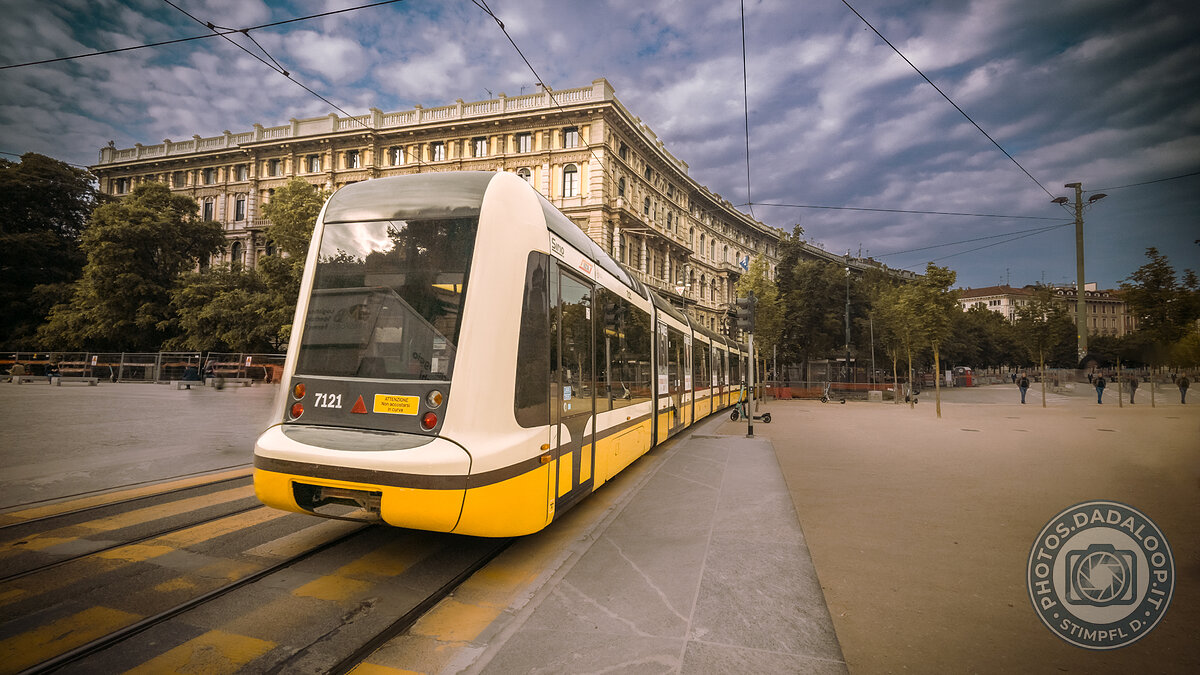
Modern Trams
2 photos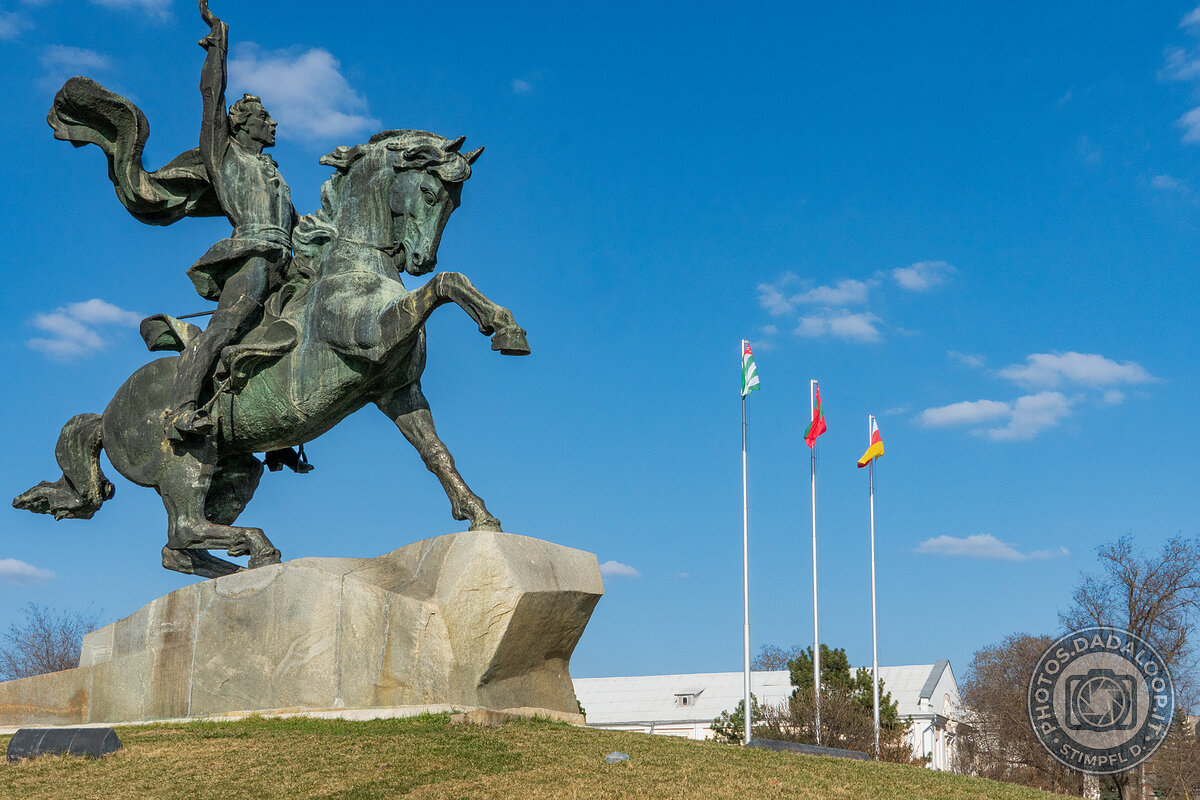
Transnistria
50 photos
Urbex Graffiti
5 photos
Life and Moments
2 photos🧳 Ruine Lichtenberg - Castel Montechiaro: Photo Journey
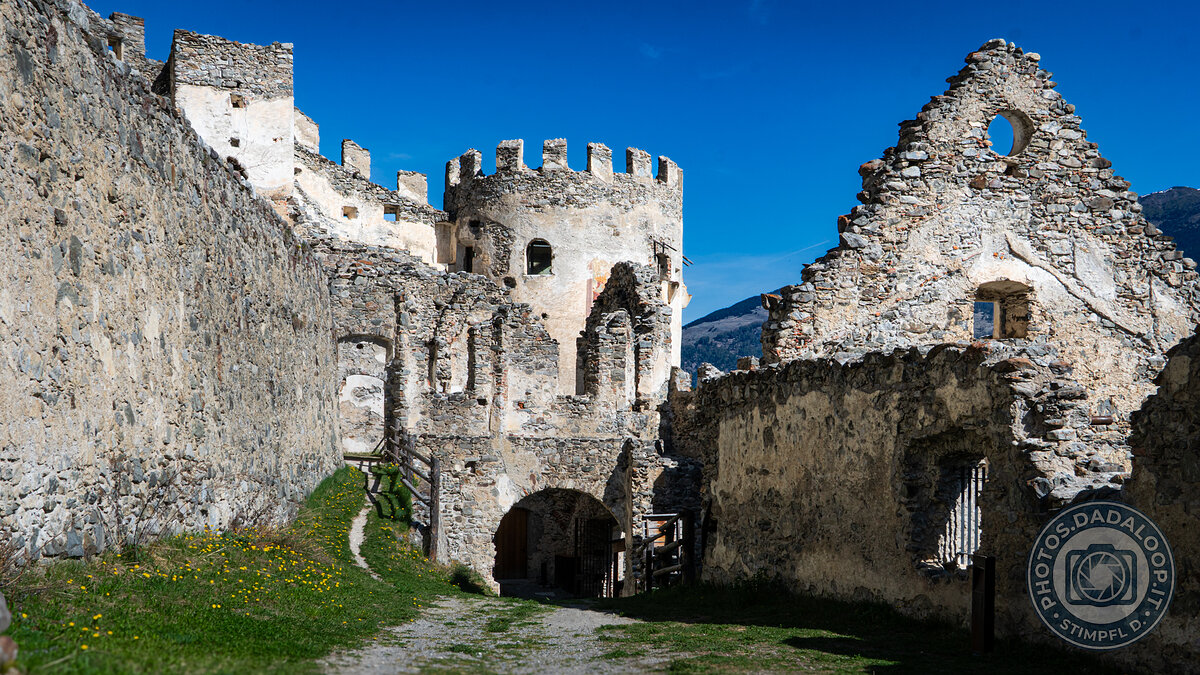
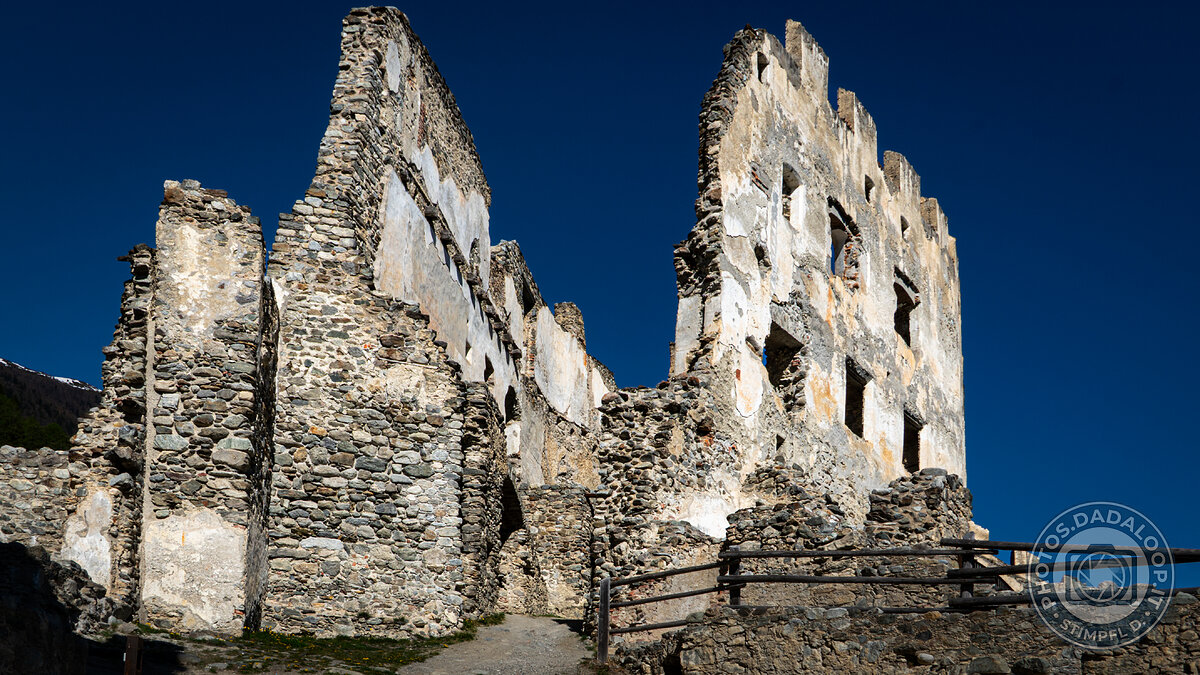
Ruine Lichtenberg - Castel Montechiaro: Echoes of History in Stone and Sky
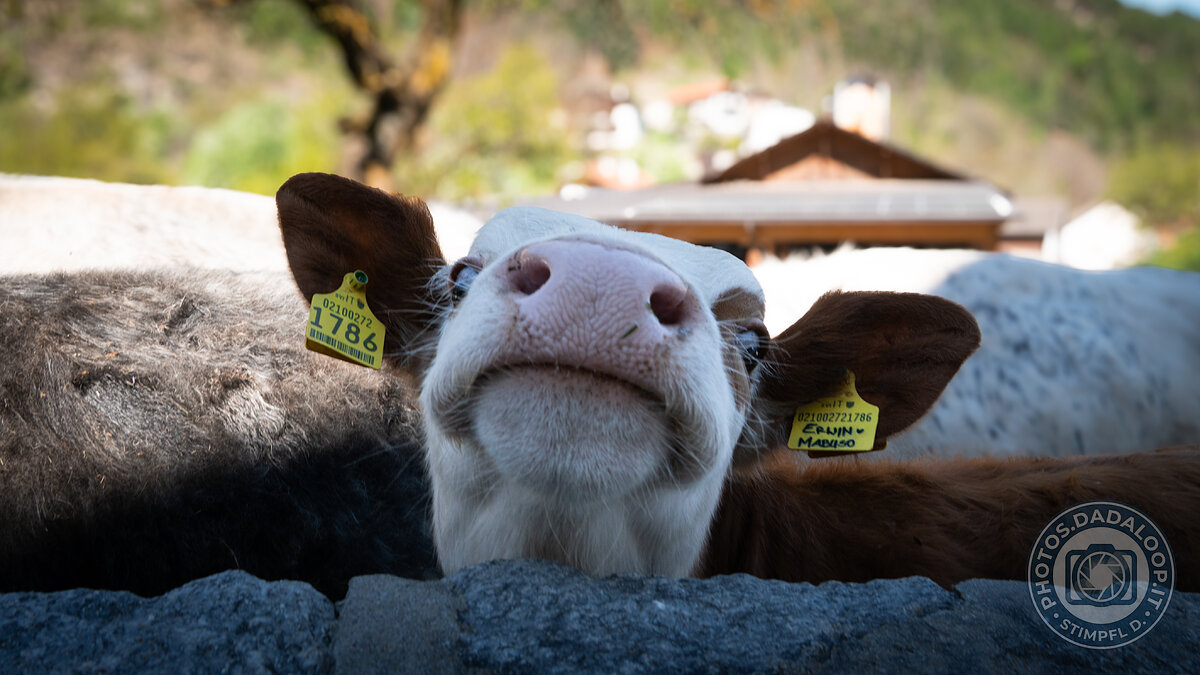
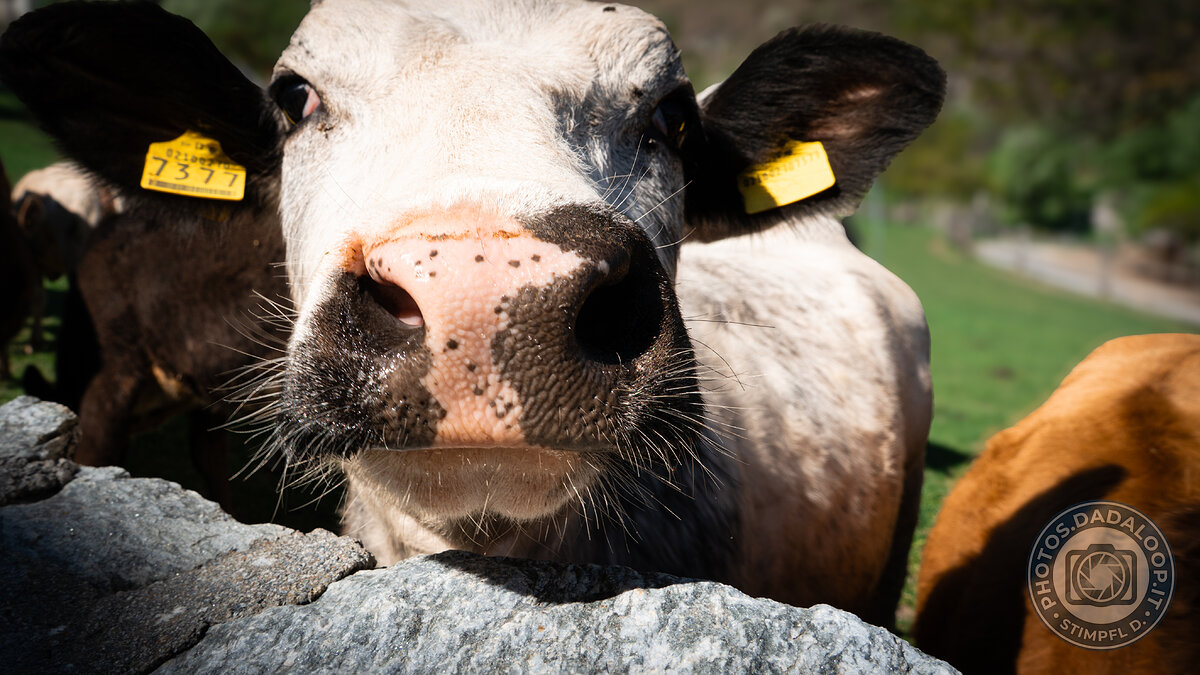
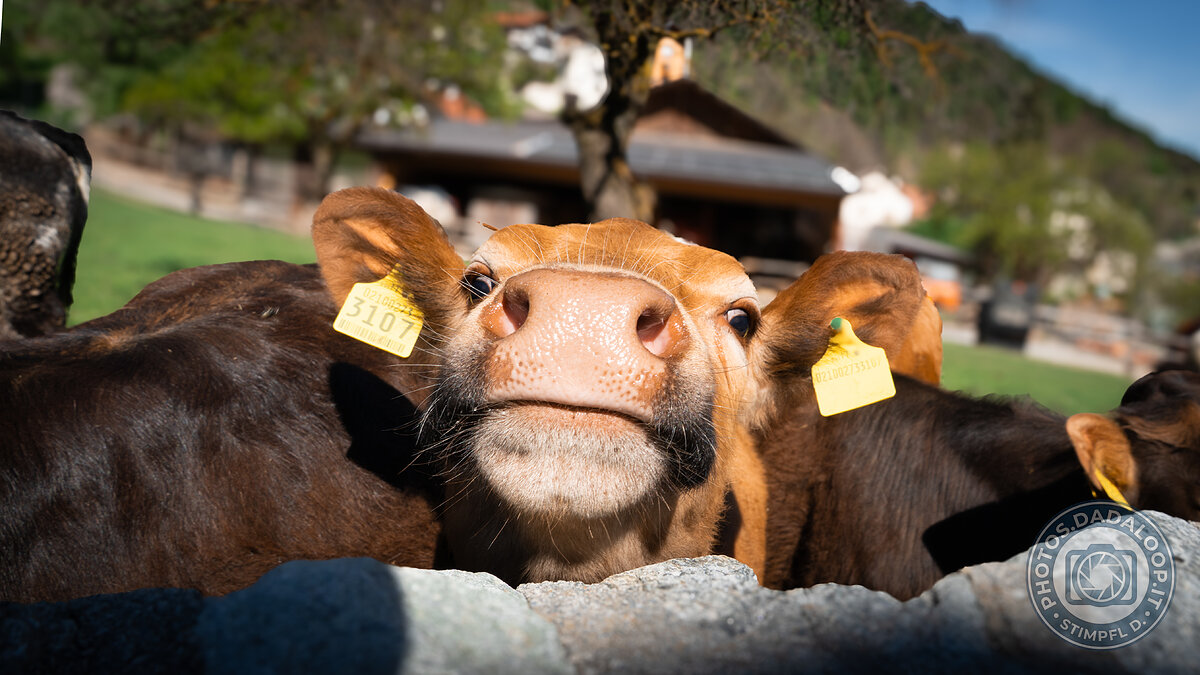
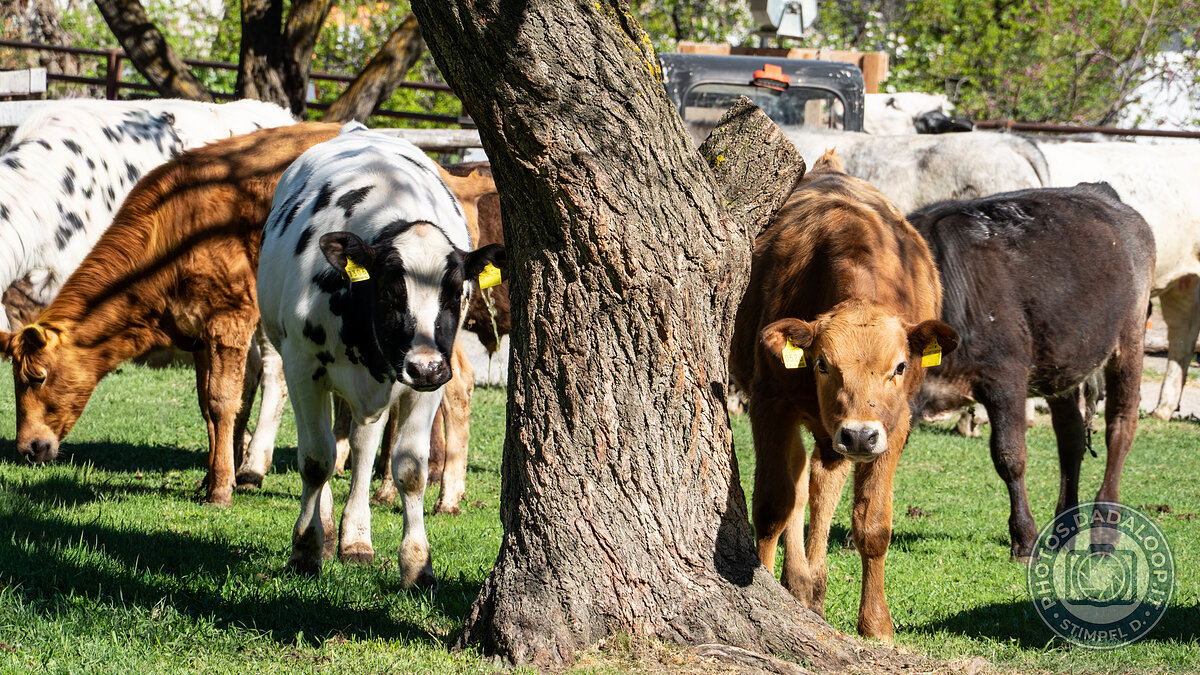
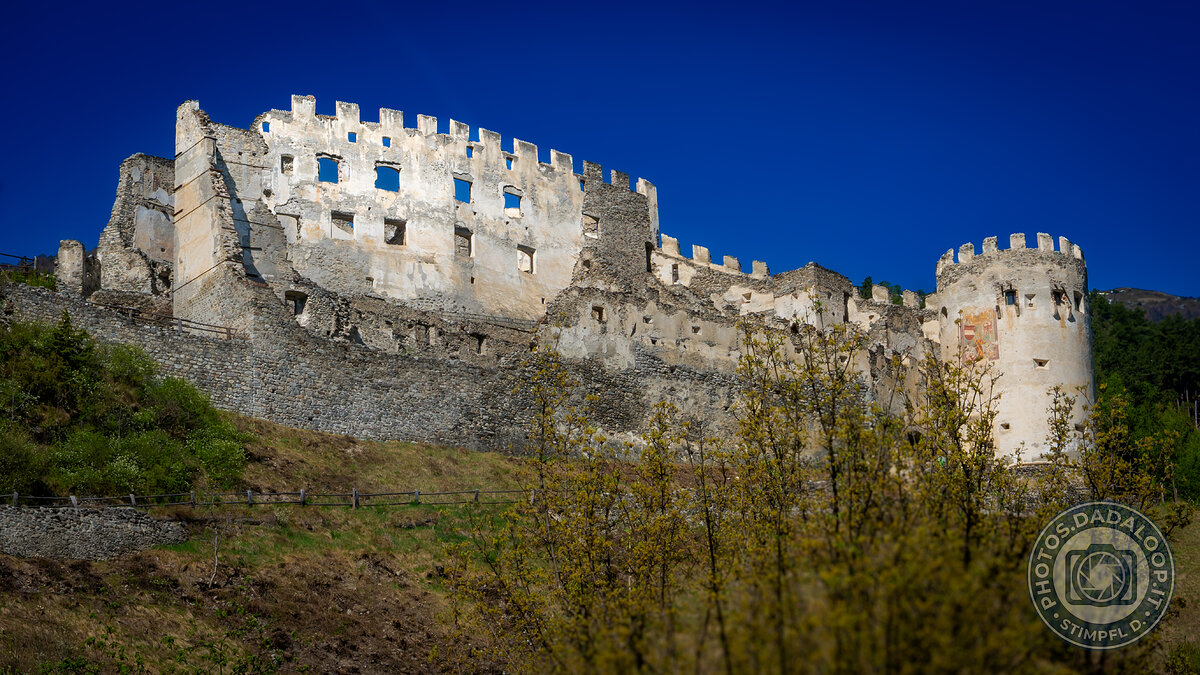
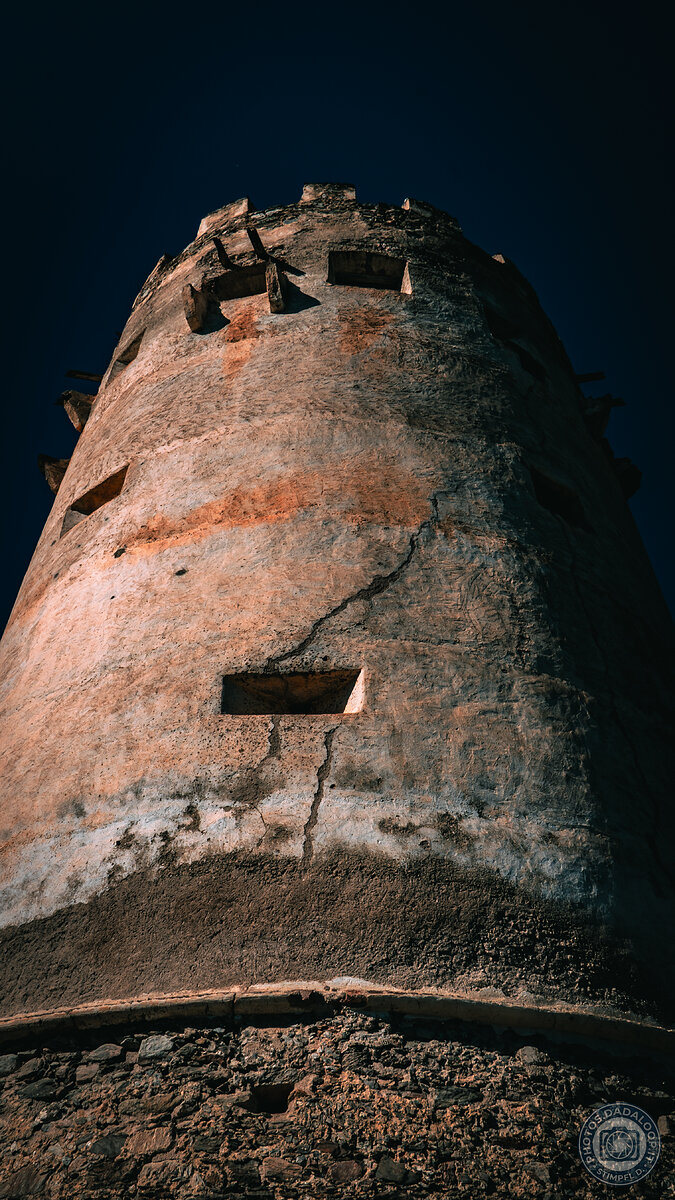
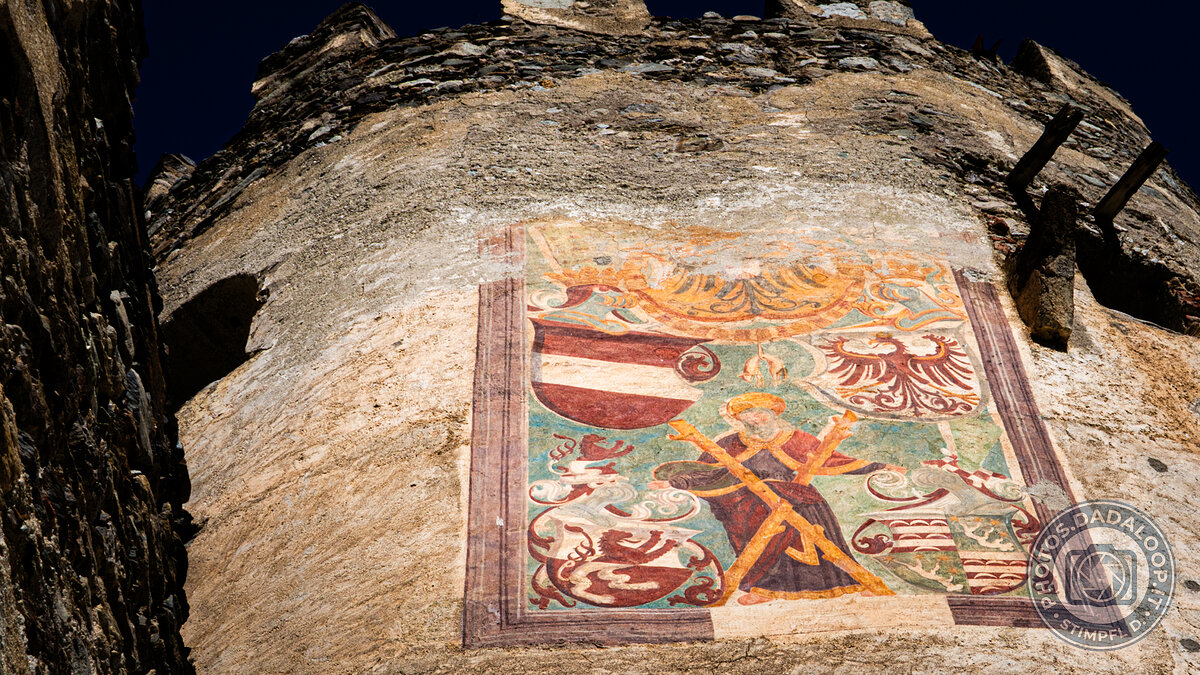
Stepping onto the grounds of Ruine Lichtenberg - Castel Montechiaro is like walking through time itself. I remember the crisp alpine air, the silence broken only by the wind whispering through ancient stones, and the distant jingle of cowbells. This wasn't just another castle ruin; it was a living canvas of history, set against the breathtaking backdrop of the Alps. The sheer scale and the weathered beauty of the stone walls immediately captivated me, promising countless stories waiting to be told through my lens. It's a place where the past feels incredibly present, demanding contemplation and a careful eye to capture its essence. What truly struck me, beyond the majestic architecture, was the unexpected vibrancy of life around these venerable ruins. From curious calves peeking over fences to the solemn gaze of cows grazing peacefully near the ancient walls, there was a delightful juxtaposition of the wild and the historic. Even a glimpse of a medieval fresco, still clinging to a tower, offered a rare window into the lives of those who once called this imposing structure home. Every corner of Castel Montechiaro presented a unique photographic opportunity, from wide vistas of the surrounding landscape to intricate details on the crumbling stone.
My Photographic Journey at Castel Montechiaro
- For this particular series at Ruine Lichtenberg - Castel Montechiaro, I relied on my trusty Sony Alpha 6300 mirrorless camera. Paired with the versatile E 18-135mm F3.5-5.6 OSS lens, it offered the flexibility I needed to capture both expansive landscape shots of the castle against the dramatic sky and close-up details of the ancient stonework and curious farm animals, all while maintaining a compact setup for exploring the rugged terrain.
- The lighting conditions at the ruins presented their own set of challenges and opportunities. I often found myself working with a bright, clear sky, which, while beautiful for showcasing the castle's silhouette against the snow-capped Alps, also meant managing high contrast. I aimed to balance the brilliant blues of the sky with the intricate textures of the stone, often waiting for the sun to highlight specific architectural features or to cast dramatic shadows that emphasized the castle's age. On other occasions, a more dramatic and dark sky rolled in, adding a profound sense of atmosphere to the ancient towers and cracked walls, allowing me to capture a moodier, more introspective feel within the ISO 100–250 range.
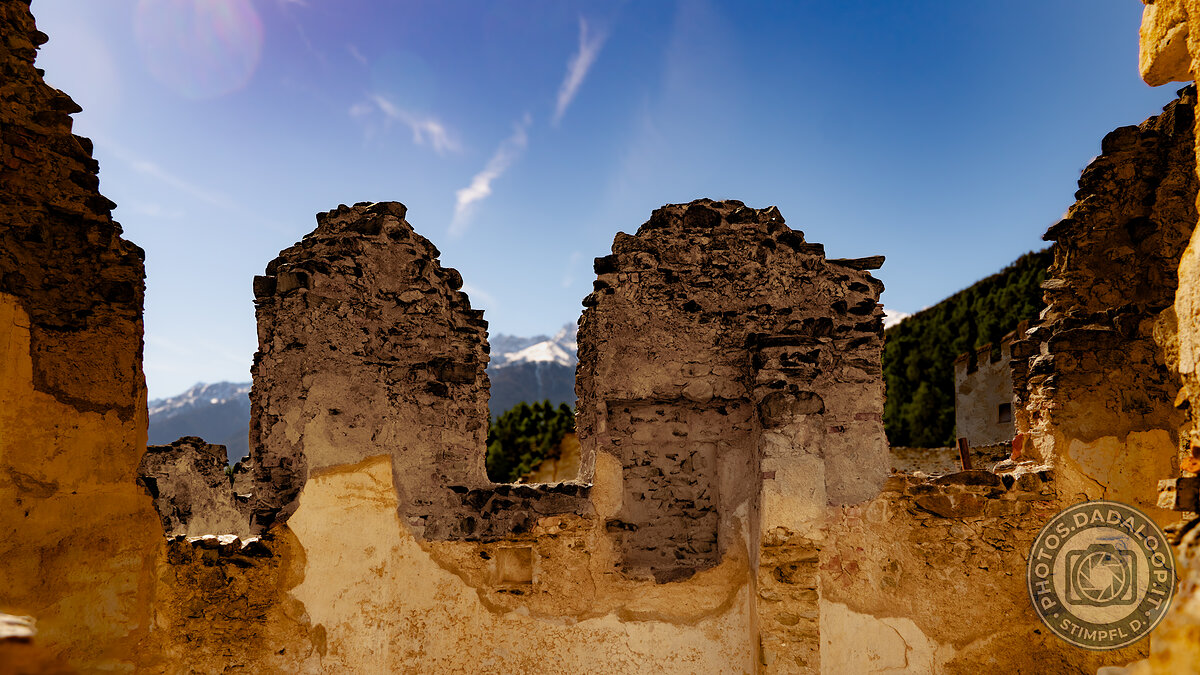
- The historical significance of Ruine Lichtenberg - Castel Montechiaro is palpable. These ancient stone castle ruins stand as a testament to centuries of history, overlooking a stunning landscape. Understanding its past, even just a little, truly enriched my photographic approach. I wanted to convey not just the physical structure, but also the stories embedded within its walls – the lives lived, the battles fought, the sheer endurance of these medieval fortifications. The surrounding Alpine views and green pastures also reminded me of the enduring connection between human history and the natural world, a relationship I sought to highlight in my compositions.
- My approach at Castel Montechiaro was to blend wide, sweeping vistas that capture the imposing castle within its grand natural setting, with intimate details that reveal its character. I focused on textures – the rough, weathered stone, the delicate remnants of a medieval fresco, the soft fur of a curious calf. Compositionally, I often used leading lines from the ruins themselves to draw the viewer's eye towards the distant mountains or a dramatic sky, aiming to evoke both the majesty and the quiet solitude of this remarkable place. Capturing the curious cows and calves added a touch of unexpected life and connection to the present, a playful contrast to the ancient stones.
Animali da fattoria
4 photos
Dettagli Architettonici
9 photos
Castelli e Rovine Storiche
8 photos🧳 Kirchturm Alt-Graun - Campanile lago di Resia: Photo Journey
Kirchturm Alt-Graun - Campanile lago di Resia: A Submerged History in Photos
There are places that simply call to you, and for me, the Kirchturm Alt-Graun - Campanile lago di Resia is one such location. It’s more than just a bell tower; it's a silent monument, a piece of history rising stoically from the waters of Lago di Resia in the heart of Alto Adige. Every time I visit, I'm struck by its unique beauty, its solemnity, and the incredible story it tells. Photographing it is always a profound experience, an attempt to capture not just an image, but the very essence of its enduring presence against the backdrop of the majestic mountains. My aim is always to convey the emotion and atmosphere of this iconic landmark. Whether it's bathed in the warm glow of a sunrise, shrouded in the drama of an overcast sky, or perfectly reflected in the still waters, the submerged bell tower offers endless photographic possibilities. It’s a constant challenge to find new ways to portray its quiet dignity and its deep connection to the surrounding landscape.
Capturing the Essence of Kirchturm Alt-Graun
- For these photographic explorations of the Kirchturm Alt-Graun - Campanile lago di Resia, I relied on my Sony Alpha 6300 mirrorless camera. Paired with the versatile E 18-135mm F3.5-5.6 OSS lens, this combination provided the flexibility needed to capture both expansive vistas of the Lago di Resia and intimate details of the bell tower itself. I meticulously kept my ISO settings between 100 and 400 to ensure optimal image quality and minimal noise, even when light conditions were less than ideal.
- The light around Lago di Resia is incredibly dynamic, presenting constant photographic challenges and opportunities. I often found myself navigating the stark contrasts between the bright, reflective surface of the water and the often dramatic, sometimes shadow-draped, backdrop of the surrounding snowy mountains. Whether under a clear blue sky or an intense, moody overcast, I aimed to capture the unique interplay of light and shadow on the Kirchturm Alt-Graun, waiting for those fleeting moments when the sun would perfectly illuminate its stoic presence or create powerful reflections.
- The historical context of the Kirchturm Alt-Graun - Campanile lago di Resia is integral to my photography. This iconic bell tower is all that remains visible of the old village of Curon, which was submerged in 1950 to create the artificial Lago di Resia. Understanding this profound history adds a deep layer to the photographs, as I strive to convey not just a beautiful scene, but also the memory and resilience embedded in this solitary structure. It stands as a silent sentinel, a poignant testament to a past now hidden beneath the waters of Alto Adige.
- My photographic style for the submerged bell tower at Lago di Resia is always about composition and storytelling. I frequently seek out natural frames, such as the curve of the shoreline or the texture of wooden planks, to artfully draw the viewer's eye towards the Kirchturm Alt-Graun. Incorporating foreground elements, like vibrant wildflowers in spring or the intricate patterns of ice in winter, helps to add depth and context, making the iconic structure feel more integrated into its stunning natural environment. It's about finding that unique perspective that highlights both its isolation and its profound connection to the landscape.
Dettagli Architettonici
9 photos
Castelli e Rovine Storiche
8 photos
Panorama
29 photos🧳 Castello Visconteo: Photo Journey
Castello Visconteo: Echoes of the Past in Decaying Grandeur
Stepping into Castello Visconteo was like walking through a dream, a place where time seems to have stood still, allowing nature and memory to slowly reclaim what was once magnificent. The air inside was thick with stories, a palpable sense of lives lived and then abruptly departed. Every creaking floorboard, every peeling fresco, and every object left behind, from a forgotten Cointreau bottle on a radiator to a lonely abandoned cradle, whispered tales of a bygone era. It's this profound atmosphere of abandonment and the delicate dance between decay and enduring beauty that drew me in, compelling me to capture its essence. My Photographic Approach to Castello Visconteo
- For this exploration of Castello Visconteo, I relied on my trusty samsung SM-A715F. Its remarkable versatility proved invaluable in capturing the intricate details and challenging light conditions within the castle's decaying rooms. The ability to manage ISO settings, ranging from a low 64 to a high 500, was crucial for maintaining image quality while working in the often dimly lit and atmospheric spaces, ensuring I could capture the subtle textures and faint light without compromising clarity.
- The ambient light within Castello Visconteo presented a beautiful yet demanding challenge. Many rooms were bathed in a soft, ethereal glow filtering through broken windows or doorways, creating dramatic contrasts and long, evocative shadows. Capturing the subtle nuances of this faint light, especially on poignant subjects like the abandoned cradle or the decaying school benches, required careful exposure and composition to truly convey the melancholic and reflective mood I felt.
- The historical weight of Castello Visconteo is palpable in every crumbling wall and forgotten corner. Once a place of grandeur and perhaps even conflict, it now stands as a testament to time's relentless march. What makes it uniquely compelling is its transformation into a canvas for both natural decay and intriguing artistic interventions, such as the whimsical paper boat installations and the thought-provoking skeletal figures arranged in a classroom. This blend of past glory and present artistic expression makes it an endlessly fascinating subject for documentary photography.
- My approach at Castello Visconteo was deeply personal, aiming to document the narratives whispered by its forgotten spaces. I sought out compositions that highlighted the juxtaposition of decay and beauty, focusing intently on textures, the interplay of light and shadow, and the poignant presence of abandoned objects like the vintage scooter and the aforementioned Cointreau bottle. Each frame was an attempt to preserve a moment of its quiet solitude and the profound, haunting atmosphere of a place left behind to its own devices.
Abandoned Factory and Industry
29 photos
Abandoned Hospital
5 photos
Urbex Graffiti
5 photos
Abandoned School
8 photos
Dettagli Architettonici
9 photos🧳 Fürstenburg: Photo Journey
Fürstenburg: Capturing Alpine Majesty and Historic Castle Views
Stepping onto the grounds of Fürstenburg always feels like a journey back in time, yet it's deeply rooted in the breathtaking present of the Alpine landscape. This isn't just another castle; it's a living narrative etched into the rock and sky, a place where history whispers through ancient walls and the grandeur of nature unfolds in every direction. My photography here is an attempt to translate that profound sense of awe and discovery, from the intricate details of its sacred spaces to the sweeping panoramas of the surrounding valleys and towering peaks.
The unique blend of cultural heritage and dramatic natural beauty at Fürstenburg is what truly captivates me. I find myself constantly shifting perspective, from admiring the delicate artistry of a baroque altar inside a quiet church to gazing out at a vast expanse of snow-capped mountains and a village nestled far below. It’s a place that demands attention to both the minute and the magnificent, offering endless opportunities for a photographer to explore depth, light, and story.
My Photographic Journey at Fürstenburg
- For this extensive exploration of Fürstenburg, my trusted Sony Alpha 6300 mirrorless APS-C camera was paired with the versatile E 18-135mm F3.5-5.6 OSS lens. This combination proved invaluable, allowing me to seamlessly transition from wide-angle landscape views, capturing the full scope of the Alpine panorama, to detailed telephoto shots of distant architectural elements or the intricate carvings of a baroque altar. The compact size of the Alpha 6300 also made navigating the castle's various levels and surrounding trails much easier, ensuring I was always ready for the next captivating scene.
- Lighting at Fürstenburg presented a fascinating range of challenges and opportunities. Inside the historic churches, the ambient light was often subdued, requiring careful attention to exposure and sometimes pushing the ISO range to around 1600 to capture the rich textures of the monumental organ or the delicate sculptures without sacrificing detail. Conversely, the exterior shots, especially those capturing the high-altitude Alpine landscape with its snowy peaks, demanded managing bright sunlight and deep shadows to ensure balanced exposures that highlighted both the brilliant whites of the snow and the vibrant greens of the valleys.
- The geographic and historical context of Fürstenburg is central to its photographic appeal. Perched strategically in the Alps, this historic castle has witnessed centuries of change, its architecture telling tales of various eras. Beyond the castle itself, the nearby white abbey with its distinctive onion domes, and the winding roads through red fields, all contribute to a rich tapestry of subjects. I aimed to capture this interplay between human endeavor and the raw power of nature, showcasing how the castle stands as a sentinel over a landscape that is both beautiful and formidable.
- My photographic style at Fürstenburg focused on capturing both the grand scale and the intimate details. I often sought out compositions that emphasized the dramatic contrasts – the stark white of a flowering tree against a backdrop of distant, snow-covered mountains, or the sweeping curves of an asphalt serpentine cutting through vibrant fields, seen from an aerial perspective. Inside, the focus shifted to the intricate baroque architecture and the devotional art, using available light to highlight the craftsmanship and spiritual atmosphere. Every shot was an attempt to convey the multilayered experience of being present in such a historically and naturally significant location.
Leaving Fürstenburg, I always carry with me a renewed appreciation for places that seamlessly blend human history with the wild beauty of the Alps. It’s a privilege to document such a powerful and evocative setting through my lens, hoping to share a glimpse of its enduring magic.
Dettagli Architettonici
9 photos
Castelli e Rovine Storiche
8 photos
Panorama
29 photos🧳 2026: Campanile lago di Resia, Curon Venosta, Bolzano
Dolomites 2026: Capturing the Soul of South Tyrol
My journey through the Dolomites in 2026 was a profound experience, a chance to immerse myself in the breathtaking landscapes and rich cultural tapestry of South Tyrol. From the towering peaks to the serene valleys, every turn offered a new vista, a fresh story waiting to be told through my lens. It was more than just a trip; it was a pilgrimage to a region where nature's grandeur meets centuries of human history, creating an unparalleled visual feast. The crisp alpine air, the vibrant hues of the mountains at dawn and dusk, and the quiet charm of the villages all conspired to create an unforgettable photographic adventure. This collection, born from my explorations around Dobbiaco, Bolzano, and the poignant Campanile lago di Resia in Curon Venosta, is a testament to the diverse beauty of this corner of Italia. I sought to capture everything from sweeping panorama shots of sun-drenched alpine valleys and majestic mountain ranges, to the intricate dettagli architettonici of historic structures. The playful curiosity of animali da fattoria in sunlit pastures brought smiles, while the stoic presence of castelli e rovine storiche under dramatic skies spoke of bygone eras.
Behind the Lens: My Approach to Photography in the Dolomites
- For the expansive panorama shots, like the "Dolomiti: sentiero di montagna verso le vette rocciose" or the "Valle alpina illuminata dal sole," I often relied on my Nikon D800 paired with the wide-angle TAMRON SP AF 10-24mm F3.5-4.5 Di II LD Aspherical IF B001N to truly convey the scale of the landscape. For more versatile landscape work and capturing details like the "Riflessi di alberi e cielo nuvoloso in un lago alpino," the Sony Alpha 6300 with its E 18-135mm F3.5-5.6 OSS lens proved invaluable, offering both reach and clarity. The Canon EOS 700D with the EF-S10-18mm f/4.5-5.6 IS STM was also a go-to for capturing the vastness of the alpine environment. My ISO settings typically ranged from 32 to 1600, allowing flexibility in varying light conditions without compromising image quality.
- The ever-changing light in the Dolomites presented both challenges and incredible opportunities. I particularly chased the golden hour for shots like "Monumento storico sotto un cielo drammatico al tramonto," where the low sun cast long shadows and painted the sky with fiery hues. Midday sun, while harsh, was managed by seeking out contrasting shadows and focusing on the vibrant colors of the "Albero in fiore con montagne innevate sullo sfondo." Capturing the "Riflessi smeraldini sul lago alpino" required patience, waiting for the perfect calm surface to mirror the stunning backdrop.
- The region's rich history and unique geography deeply influenced my compositions. In Curon Venosta, the haunting Campanile lago di Resia became a central subject, a silent witness to a submerged village. Exploring Bolzano allowed me to focus on the "Scorcio urbano con fiume e montagne sullo sfondo," blending urban life with the surrounding natural beauty. The majestic "Imponente castello medievale in rovina" and the "Abbazia bianca storica con cupole a cipolla tra le montagne alpine" were captured with an eye for their historical weight and architectural elegance, often using the Canon EOS 550D with an EF-S18-55mm f/3.5-5.6 IS II to highlight their intricate details against the dramatic alpine backdrop.
- My photographic style for this trip was about capturing the essence of place and moment. I sought out unique perspectives, whether it was the "Serpentina di asfalto tra campi rossi, vista aerea" or the charming "Installazione artistica con barchette di carta su porta e parete azzurra." I aimed for authenticity, allowing the natural curiosity of the "Vitelli curiosi in un pascolo soleggiato" to shine through. The versatility of cameras like the OPPO Find X5 and samsung SM-N950F also allowed for candid, spontaneous captures, ensuring no moment was missed, from fleeting light to unexpected encounters.
Panorama
29 photos
Dettagli Architettonici
9 photos
Animali da fattoria
4 photos
Castelli e Rovine Storiche
8 photos🧳 Dosso dei Galli: Photo Journey
Dosso dei Galli: A Glimpse into High-Altitude Contrasts
Reaching Dosso dei Galli is always an experience that resonates deeply with me. It’s a place where the wild beauty of the alpine landscape collides with the stark, almost alien presence of human technology. As a photographer, this peak offers a compelling narrative, a visual dialogue between the rugged earth and the metallic structures reaching for the sky. The air is often crisp, the views expansive, and the mood can shift dramatically with the passing clouds, creating an ever-changing canvas for my lens. I find myself drawn to the unique atmosphere, a blend of natural grandeur and the intriguing geometry of the man-made, which makes every visit to Dosso dei Galli a fresh photographic exploration.
Exploring Dosso dei Galli Through My Lens
- My Gear for the Ascent: For these challenging conditions, I relied on my trusty NIKON D3400 and occasionally my Sony G8141. Both cameras, paired with the versatile 18.0-55.0 mm f/3.5-5.6 lens, proved invaluable. This combination allowed me to capture both the sweeping vistas of the alpine valley and the intricate details of the antennas, adapting to the diverse demands of the landscape at Dosso dei Galli. The robust build of these cameras gave me confidence in the high-altitude environment, ensuring I could focus on composition rather than equipment limitations.
- Mastering the Light: The light at Dosso dei Galli is a character in itself – often dramatic and demanding. I've photographed everything from alpine valleys illuminated by sun rays piercing through thick clouds to scenes dominated by a leaden sky casting an intense, almost melancholic tone over the brulla hill. Working within my preferred ISO range of 40-100 meant every exposure had to be precise, especially when the sun would suddenly break through, creating strong contrasts between the bright metallic surfaces of the parabolic antennas and the shadowed slopes. It was a constant dance with the elements, seeking to capture the fleeting moments of extraordinary light.
- The Unique Context of Dosso dei Galli: This peak isn't just a natural wonder; it's a testament to human ingenuity placed within an untouched environment. The presence of various antennas, from giant parabolic dishes to triangular structures, some active, others seemingly abandoned, adds a layer of intrigue to the landscape. They stand as monuments on the grassy or bare hills, silent observers under the vast, often cloudy sky. This striking contrast between the raw, untamed mountain and these imposing, man-made forms is what truly defines the photographic potential of Dosso dei Galli. It's a place where history and future seem to coexist.
- My Vision and Technique: When I photograph Dosso dei Galli, my aim is to emphasize the powerful contrast between nature and technology. I often seek compositions that highlight the scale of the imponente antenna parabolica against the expansive sky, or the intricate intreccio metallico as it reaches upwards. I patiently wait for the perfect interplay of light and clouds, allowing the elements to sculpt the scene. Whether it's the warmth of the sun-illuminated antennas or the stark drama of a leaden sky framing an abandoned antenna, I strive to convey the unique atmosphere and the compelling story of this remarkable peak.
Panorama
29 photos
Antennas and Satellite Dishes
6 photos🧳 2020: Torino, Curon Venosta, Campanile lago di Resia
Italia 2020: Alpine Grandeur & Historic Echoes
The year 2020 brought its own unique challenges, but it also offered unexpected opportunities to rediscover the profound beauty of my own country. This collection, 'Panorama, Scale e Architetture,' is a deeply personal journey through parts of Italia that truly captivated my lens and my spirit. From the majestic, snow-capped peaks of the Dolomiti to the intricate details of urban design, each frame tells a story of light, history, and the often-profound silence of nature.
I found myself chasing the fleeting light across alpine valleys and delving into the rich past embedded in ancient stones. The stark, almost haunting beauty of Curon Venosta, with its iconic submerged campanile in the Lago di Resia, contrasted wonderfully with the vibrant energy and historical depth of cities like Bolzano and Torino. It was a year of intense exploration, not just of places, but of the interplay between man and nature, captured through my evolving photographic perspective.
My Photographic Journey Through Italy in 2020
- My photographic toolkit for this journey was quite diverse, reflecting the varied subjects I encountered. For the sweeping Dolomiti landscapes and the serene reflections of alpine lakes, I often turned to my Nikon D800 or the Sony Alpha 6300 with its versatile E 18-135mm F3.5-5.6 OSS lens. When I needed to go ultra-wide to capture the full drama of scenes like 'Vette dolomitiche innevate illuminate dal sole' or the intricate interior of a gothic church, my Canon EOS 700D equipped with the EF-S10-18mm f/4.5-5.6 IS STM was invaluable. Even my OPPO Find X5 and samsung SM-A715F smartphones proved their worth for quick, unexpected moments, showing that the best camera is often the one you have with you.
- The light in the mountains and historic cities presented its own set of challenges and opportunities. I often found myself working with dramatic contrasts, from the harsh midday sun illuminating 'Riflessi smeraldini sul lago alpino' to the soft, ethereal glow of dawn or dusk. Capturing the golden crucifix in a dimly lit gothic church, or the 'Monumento storico sotto un cielo drammatico al tramonto,' required careful metering and often pushing my camera's capabilities, staying within my preferred ISO range of 32–1000 to maintain image quality while embracing the available light.
- Each location offered a unique narrative. The haunting beauty of Curon Venosta and the Campanile lago di Resia truly spoke to me, a solitary sentinel emerging from the water, a poignant reminder of a submerged village and lost history. In Bolzano, the blend of Alpine culture and Italian vibrancy was palpable, while Torino unveiled its majestic architecture and rich past through grand squares and intricate details. These places weren't just backdrops; they were characters in the story, each with its own soul and centuries of tales to tell.
- My approach to this series was deeply rooted in capturing both the expansive panorama and the intricate 'Scale e Architetture.' I sought out strong compositional elements, whether it was the symmetrical reflection of a bridge at sunset or the leading lines of a mountain road winding through golden forests. I aimed to convey the sense of scale in the vast Dolomiti landscapes, while also highlighting the delicate craftsmanship in the 'Interno di una torre medievale con archi e statue,' always striving for a balance between grandeur and subtle detail.
This collection represents a deep connection with the stunning landscapes and rich history of Italia in 2020, a year that, despite everything, allowed me to see and capture its beauty anew.
Panorama
29 photos
Stairs and Architecture
5 photos🧳 2019: Curon Venosta, Campanile lago di Resia, Bolzano
Curon Venosta & Abandoned Italy: Echoes of My 2019 Journeys
The year 2019 was a journey into contrasts for me, a photographic exploration across Italy that blended breathtaking natural beauty with the poignant silence of forgotten places. From the serene, reflective waters of the Alps to the dusty, decaying interiors of abandoned structures, each location whispered its own story, inviting me to listen and capture its essence. My lens sought out both the grandeur of the Italian landscapes and the intimate details of human traces left behind. This collection represents a deep dive into those moments, a personal narrative woven through light and shadow. It's about finding beauty in the overlooked, the dramatic, and the melancholic. Whether it was the majestic mountains or the ghostly remains of past lives in Voghera and Pavia, my camera was a companion, eager to document the raw, unfiltered truth of these unique spaces.
Exploring My 2019 Italian Photo Albums
- My pursuit of sweeping vistas often led me to the tranquil lakes and towering peaks around Curon Venosta and Bolzano. Capturing the iconic Campanile nel Lago di Resia, Alto Adige, submerged yet defiant, was a highlight. For these expansive shots, I frequently relied on my NIKON CORPORATION NIKON D800 paired with the TAMRON SP AF 10-24mm F3.5-4.5 Di II LD Aspherical IF B001N to really open up the scene, or my Canon EOS 700D with the EF-S10-18mm f/4.5-5.6 IS STM to achieve those wide, dramatic perspectives of "Riflessi di nuvole e alberi nel lago alpino" and "Vette dolomitiche innevate illuminate dal sole." The challenge was often in managing the bright alpine sun and deep shadows, requiring careful exposure balancing and sometimes pushing the ISO to capture details in the darker areas without losing highlight information, often staying within the 32-6400 range.
- The "Scuola Abbandonata" album delves into the profound quietness of deserted classrooms and corridors. Walking through these spaces, like the one that inspired "Aula abbandonata: una sedia sola davanti alla lavagna," felt like stepping back in time. The soft, diffused light filtering through broken windows created a melancholic atmosphere. I often used my Sony Alpha 6300 with the versatile E 18-135mm F3.5-5.6 OSS lens to adapt quickly to varying light conditions indoors, allowing me to capture the intimate details and textures of decay, or my Canon EOS 550D with the EF-S18-55mm f/3.5-5.6 IS II for its reliability in these often dimly lit environments. The goal was to convey the sense of forgotten memories and the passage of time.
- The "Fabbrica e Industria Abbandonata" series took me into the heart of industrial decay in places near Voghera and Pavia, where the raw beauty of rust and ruin prevailed. From a "Vecchia auto d'epoca abbandonata in una fabbrica in rovina, illuminata dal sole" to "Graffiti su porta arrugginita in bunker abbandonato," these locations were rich with visual stories. The dynamic range here was often extreme, with harsh light entering through gaps in the roof or walls, contrasting with very dark interiors. My NIKON CORPORATION NIKON D3400 with its 18.0-105.0 mm f/3.5-5.6 lens proved excellent for navigating these complex scenes, allowing me to capture textures and details even in challenging light. Sometimes, I even relied on my OPPO Find X5 or samsung SM-N950F for quick, candid shots when the mood struck, proving that even a smartphone can capture the soul of a place.
- Beyond the grand themes, I was always drawn to unique perspectives and intricate details. The "Riflesso simmetrico di un ponte ad arco al tramonto" and "Riflessi montani sul lago di Dobbiaco" showcase my fascination with reflections, transforming ordinary scenes into abstract compositions. For capturing these precise moments and sometimes the more distant details, my Canon EOS 550D combined with the EF70-300mm f/4-5.6 IS USM lens was invaluable, allowing me to isolate elements and play with compression. The abandoned vehicles, like the "Ambulanza abbandonata nella natura selvaggia" or the "Ricordi sbiaditi: ciclomotore e carretto abbandonati in un interno decadente," were powerful symbols of lives interrupted, and I aimed to photograph them with a sense of respectful observation.
Each photograph from 2019 holds a piece of my journey, a moment of connection with both the enduring grandeur of nature and the silent, evocative beauty of things left behind. These are the stories I found, framed through my lens.
Panorama
29 photos
Abandoned School
8 photos
Abandoned Factory and Industry
29 photos🧳 2021: Palestra, Budrio, Bologna
Abandoned Bologna 2021: Echoes of Forgotten Factories and Spaces
On a crisp autumn day, October 29th, 2021, I embarked on a journey through the forgotten corners of Bologna, specifically exploring sites in Budrio and a compelling old Palestra. This wasn't just a photography trip; it was an immersion into the past, a silent dialogue with the ghosts of industry and daily life. The air hung heavy with stories untold, each rusted gear, each peeling paint chip, a testament to time's relentless march across the Italian landscape. My focus was squarely on Architetture Abbandonate and Fabbrica e Industria Abbandonata, seeking out the melancholic beauty in decay. From a forgotten moped and cart in a crumbling interior, to the vast, silent halls of a disused factory, I aimed to capture the essence of these places before nature fully reclaims them. The quiet drama of an abandoned car embraced by creeping vines, or the stark geometry of a defunct electrical control unit, offered endless visual narratives.
Behind the Lens: Capturing Decay
- For this exploration, I relied on the versatility of my Sony Alpha 6300 paired with the E 18-135mm F3.5-5.6 OSS lens, allowing me to adapt quickly to diverse scenes, from wide industrial vistas to intricate details. I also brought along my Canon EOS 700D with the EF-S10-18mm f/4.5-5.6 IS STM for those expansive interior shots, perfect for capturing the scale of these vast, forgotten spaces.
- Navigating the dim, often uneven light within these structures presented a constant challenge. I often pushed my ISO settings, ranging from 64 to 6400, to capture the available light, embracing the grittiness and atmosphere it created rather than fighting it. The interplay of shadows and shafts of light through broken windows became a crucial element in defining the mood.
- These sites, spread across Bologna and Budrio, are poignant reminders of a bygone era. They represent former hubs of activity – a bustling Palestra, a productive fabbrica – now silent witnesses to economic shifts and the relentless march of time. Each location tells a story of human endeavor, now slowly being reclaimed by nature, offering a unique glimpse into the industrial heritage of the region.
- My photographic style here was deeply focused on documenting the textures of decay: the ingranaggi arrugginiti, the intonaco scrostato, the way nature intertwines with man-made structures. I sought compositions that highlighted the isolation and grandeur of these forgotten spaces, often focusing on the details – a forgotten electrical control unit, a derelict filing cabinet – to convey a sense of lives once lived and now abandoned.
Abandoned Factory and Industry
29 photos
Abandoned Architecture
8 photos🧳 2016: Pesaro, Pesaro e Urbino
Pesaro 2016: Art, Light, and Reflections in Urban & Natural Spaces
The year 2016 was a period of intense visual exploration for me, a journey that led me through the captivating landscapes and artistic expressions found in Pesaro, Italia. This album is a testament to my fascination with how art, both man-made and natural, integrates seamlessly into our surroundings. It's about discovering the unexpected, the subtle details, and the grand statements that define a place, particularly within the themes of "Parchi e Attrazioni" and "Sculture e Installazioni Urbane." Every click of the shutter was an attempt to capture the emotion and unique character of these encounters. My travels are always driven by a desire to see the world through a creative lens, to find stories in the interplay of light and form. From the tranquil beauty of a park at dusk to the bold statement of an urban sculpture, Pesaro and its wider region of Pesaro e Urbino offered an incredible canvas. I was constantly seeking out reflections, vibrant colors, and the dramatic shifts in light that transform ordinary scenes into something extraordinary, making each moment feel truly personal and authentic.
Behind the Lens: My Pesaro Explorations
- For this journey, I relied on a versatile array of equipment to match the diverse scenes I encountered. My trusted Canon EOS 700D, paired with the wide-angle capabilities of the EF-S10-18mm f/4.5-5.6 IS STM lens, allowed me to capture expansive landscapes and intricate architectural details with clarity. For more spontaneous moments and quick captures, I often turned to my smartphones, the OPPO Find X5 and Sony G8141, which proved surprisingly capable, especially when working within the flexible ISO range of 40-1600 that I frequently utilized.
- Capturing the fleeting light of sunset, or the subtle dance of reflections on water, was a constant challenge and joy. The unique quality of light in Pesaro, particularly during twilight, allowed me to explore dramatic contrasts and soft glows, pushing the capabilities of my cameras to render detail in both highlights and shadows. Dealing with varying light conditions, from the bright Mediterranean sun to the nuanced hues of dusk, required careful exposure management to ensure the mood of each scene was faithfully preserved.
- Pesaro, nestled on the Adriatic coast in the Marche region of Italia, offers a rich tapestry of history and modernity. My journey through Pesaro e Urbino in 2016 was an exploration of how contemporary art installations coexist with ancient landscapes and vibrant urban parks. The album delves into both the 'Parchi e Attrazioni' and 'Sculture e Installazioni Urbane' aspects of this beautiful region, revealing hidden gems and iconic landmarks that tell a story of cultural depth and artistic innovation.
- My photographic style often leans into the interplay of light and shadow, seeking out unique perspectives and unexpected reflections. I'm drawn to how sculptures, whether grand and public or subtly integrated into nature, interact with their environment. Capturing the essence of a place means finding these moments – be it the luminous gaze of a sculpted face, the shimmering surface mirroring a broken sphere, or the geometric precision of urban design against a natural backdrop. It's about revealing the hidden narratives within these urban sculptures and natural attractions, transforming the ordinary into a visual poem.
Parks and Attractions
4 photos
Urban Sculptures and Installations
3 photos🧳 Ruinele Hotelului Național: Photo Journey
Capturing the Echoes: Ruinele Hotelului Național Through My Lens
My journey to Ruinele Hotelului Național was more than just a photographic assignment; it was an immersion into a place where history whispers through crumbling walls. Standing amidst the skeletal remains of what was once a grand hotel in Chisinau, Moldova, I felt a profound sense of time suspended. The air was thick with stories, of past grandeur and eventual abandonment, a stark visual poem of urban decay. It's a location that truly embodies the layered history of the city, a poignant reminder of a bygone era. I aimed to capture not just the physical structures but the very atmosphere of this forgotten landmark, and how it sits within the broader, often stark, landscape of Chisinau. My Photographic Approach to the Ruins
- For documenting the intricate details of decay and the expansive urban vistas around Ruinele Hotelului Național, I primarily relied on my Sony Alpha 6300. Paired with the versatile E 18-135mm F3.5-5.6 OSS lens, I could effortlessly switch from wide-angle shots of the surrounding Soviet era residential districts and imponente architettura governativa to tighter frames highlighting the textures of crumbling concrete and rusting metal within the ruins themselves. For those spontaneous moments or when navigating particularly tight spaces, my OPPO Find X5 proved invaluable, offering a quick and discreet way to capture candid observations.
- Lighting at Ruinele Hotelului Național presented its own set of challenges. Often, the skies above Chisinau were overcast, casting a soft but sometimes flat light on the exterior, as seen in the "cielo nuvoloso" in some of my broader cityscapes. Inside the ruins, deep shadows and uneven light sources were common. My cameras' ISO range of 50–2500 was crucial here, allowing me to maintain image quality in low-light conditions without resorting to artificial light, thus preserving the natural, melancholic mood of the site.
- The historical context of Ruinele Hotelului Național is inseparable from its photographic narrative. It stands as a powerful symbol of Chisinau's past, nestled amidst the urban density and geometric repetitions of Soviet era architecture. My aim was to place these ruins within their geographical and historical context, showing how they contribute to the unique character of the city. It's a place where the echoes of history are palpable, contrasting sharply with the ongoing life and unexpected pockets of sentimentality, like the "atmosfera romantica con orsetti e luci a forma di cuore" I encountered elsewhere in the city, adding layers to the urban story.
- My photographic style at Ruinele Hotelului Național was deeply influenced by the stark reality of the place. I focused on capturing the facciate di condomini sovietici, the "blocchi di cemento," and the overall "vista urbana di Chișinău in una giornata grigia," emphasizing the raw, unvarnished truth of the environment. I sought out compelling compositions that highlighted the geometric repetitions in the architecture, the play of light and shadow on decaying surfaces, and the sheer scale of the urban landscape, including the "traffico serale sul ponte illuminato." It was about documenting the beauty found in decay and the enduring spirit of the city.
Chișinău
54 photos🧳 2026: Chișinău
Chișinău & Transnistria 2026: Echoes of the Past and Present
My journey to Moldavia in March 2026 was a profoundly immersive experience, a brief yet intense exploration of a corner of Eastern Europe that often feels suspended in time. From the bustling, often melancholic, avenues of Chișinău to the surreal, time-locked landscapes of Transnistria, every street, every monument, and every face seemed to tell a story. The crisp, late March air, sometimes giving way to a soft, grey light, sometimes to surprisingly clear skies, imbued the entire trip with a unique, contemplative atmosphere. It truly felt like stepping through a historical portal, witnessing the resilient spirit of a region grappling with its complex identity.
Capturing the Essence
- For this photographic expedition, my trusted Sony Alpha 6300 with its versatile E 18-135mm F3.5-5.6 OSS lens was my main tool, allowing me to capture everything from expansive urban vistas to intricate architectural details. For those candid, fleeting moments or when discretion was key, my OPPO Find X5 smartphone proved to be an invaluable companion. I relied on a broad ISO range from 50 to 6400 to navigate the diverse lighting conditions I encountered.
- The variable March weather in Moldavia presented its own set of photographic opportunities and challenges. Overcast days in Chișinău often cast a dramatic, muted palette over the city's unique blend of Soviet architecture and newer constructions, enhancing the sense of historical layers. Inside the ancient cave churches of Orheiul Vechi, the low light pushed my camera's capabilities, yet allowed me to capture the spiritual glow of the icons and the texture of the stone. Conversely, the occasional burst of direct sunlight beautifully illuminated the vibrant murals in Tiraspol, creating striking contrasts.
- This trip was a deep dive into the geopolitical and historical tapestry of Eastern Europe. I aimed to document the contrasting realities, from the energetic pulse and concrete blocks of Chișinău to the unique, almost anachronistic atmosphere of Transnistria, with its omnipresent Lenin statues and stoic tank monuments. Exploring the ancient monastery complex of Orheiul Vechi and the serene rural charm of Butuceni offered a profound glimpse into Moldavia's rich cultural heritage, extending far beyond its urban centers.
- My photographic style throughout this journey was driven by a desire for authenticity. I focused on creating visual narratives through the myriad details I encountered: the rust on a forgotten cannon in a city park, the intricate gold and vivid colours inside an Orthodox church, the poignant display of a Chernobyl exhibition, or the simple, inviting spread of a traditional Moldavian meal. I actively sought out juxtapositions – the old and the new, signs of decay alongside vibrant resilience, profound political symbols beside everyday life – to paint a comprehensive and human picture of a region that is both complex and incredibly captivating for travel photography.
Chișinău
54 photos
Transnistria
50 photos
Orheiul Vechi & Butuceni
10 photos🧳 Orheiul Vechi: Photo Journey
Orheiul Vechi: Capturing Moldova's Timeless Heritage
Stepping into Orheiul Vechi felt like traversing a portal to another era. This isn't just a destination; it's a living museum, where the whispers of ancient civilizations blend seamlessly with the enduring spirit of Moldovan village life. The dramatic landscape, carved by the Răut River, cradles centuries of history, from the remnants of fortresses to the serene cave monastery carved directly into the limestone cliffs. I was immediately drawn to its raw authenticity, the way nature and human endeavor have intertwined over millennia. My goal was to capture the essence of this extraordinary place, to tell a story through light and composition. From the iconic traditional houses with their distinctive thatched roofs and vibrant details to the spiritual serenity of the rock-hewn church, every corner of Orheiul Vechi offered a profound visual narrative. It's a place that compels you to slow down, to observe, and to truly feel the weight of its past.
Photographic Insights from Orheiul Vechi
- For this immersive experience, my trusted Sony Alpha 6300 mirrorless camera was the perfect companion. Paired with the versatile E 18-135mm F3.5-5.6 OSS lens, I had the flexibility to capture both the sweeping panoramic views of the valley and the intricate, intimate details found within the traditional homes and the ancient Orheiul Vechi cave church. This combination allowed me to adapt quickly to the diverse scenes presented by this rich historical landscape.
- The lighting conditions at Orheiul Vechi were as varied as the landscape itself. Outdoors, the open Moldovan skies provided beautiful, often dramatic natural light, perfect for highlighting the contours of the valley and the exterior of the traditional buildings. However, venturing inside the rustic homes and especially within the dimly lit rock-hewn monastery, I faced significant low-light challenges. I embraced these conditions, utilizing the camera's impressive low-light capabilities and pushing the ISO range from 100 up to 6400 to maintain the authentic, atmospheric mood without resorting to artificial light.
- Orheiul Vechi is a treasure trove of historical and cultural significance. It’s a site where Dacian, Tatar, and medieval settlements have left their mark, culminating in a striking blend of natural beauty and human heritage. The traditional Moldovan architecture, with its rustic charm and vibrant accents, stands as a testament to a resilient culture. Exploring the ancient fortress vestiges and the spiritual heart of the cave monastery offered a deep connection to the layers of history embedded in this unique geographical setting.
- My photographic style at Orheiul Vechi was deeply rooted in documentary and evocative storytelling. I aimed to create images that conveyed the timelessness of the place, focusing on textures, natural light, and the quiet dignity of the traditional way of life. This involved capturing wide, expansive shots of the dramatic river bends and cliffs, as well as intimate close-ups of traditional Moldovan clothes, ancient weaving looms, and the simple, functional interiors of the houses, all designed to transport the viewer directly into the heart of this historical landscape.
Orheiul Vechi & Butuceni
10 photos🧳 Привокзальная площадь: Photo Journey
Привокзальная площадь: Tiraspol's Post-Soviet Pulse and Park Life
Stepping into Привокзальная площадь in Tiraspol felt like walking through a living museum, yet vibrant with everyday life. This isn't just a park; it's a crossroads where the echoes of a bygone era meet the subtle hum of the present. I was drawn to the stark contrasts – the grand, imposing Soviet-era monuments standing proudly alongside the unexpected sight of a modern Sheriff supermarket, a symbol of Transnistria's unique economic landscape. It's a place that tells stories without words, a visual narrative of resilience and identity. My time spent here was an exploration of these layers, capturing the spirit of a place that is often misunderstood. From the quiet dignity of a tank monument adorned with fresh flowers to the bold, celebratory posters that still adorn buildings, every corner of Привоквозальная площадь offered a glimpse into the soul of this self-declared republic. The atmosphere was a captivating blend of solemn history and mundane reality, making it a truly compelling subject for my lens.
My Photographic Journey at Привокзальная площадь
- For the broader architectural shots and capturing the expansive feel of Привокзальная площадь, I relied heavily on my Sony Alpha 6300 paired with the versatile E 18-135mm F3.5-5.6 OSS lens. This combination allowed me to quickly switch between wide perspectives of the square and detailed close-ups of the intricate Soviet emblems or the distinctive Sheriff branding. For more spontaneous moments and street photography, especially when I needed to be discreet, my OPPO Find X5 smartphone proved invaluable, its portability ensuring I never missed a fleeting scene.
- The lighting in Tiraspol presented its own set of challenges and opportunities. I often worked within an ISO range of 100–500, aiming to maintain image quality while adapting to the varied conditions. Bright, clear skies could cast harsh shadows on the imposing concrete structures, requiring careful exposure to balance highlights and shadows. Conversely, the softer light of early morning or late afternoon beautifully accentuated the textures of weathered facades and the subtle hues of the park's greenery, adding a dramatic depth to the scenes.
- Привокзальная площадь serves as a fascinating microcosm of Transnistria itself. Historically, it's a gateway, connected to the railway station, and therefore a place of arrival and departure, symbolizing transition. The prominent display of Soviet iconography, from the monument to Lenin to the very design of many buildings, speaks volumes about the region's complex political identity and its strong ties to a past era. Understanding this historical backdrop was crucial to interpreting the visual language of the square, where every monument and every building tells a piece of the Transnistrian story.
- My approach at Привокзальная площадь was to document without judgment, focusing on the contrasts and the quiet dignity of everyday life against a monumental backdrop. I employed a documentary style, seeking out compositions that highlighted the juxtaposition of grand Soviet architecture with the mundane elements of modern life – a child playing near a tank, or an abandoned gas station under a clear sky. I paid close attention to lines and symmetry in the architecture, but also sought out the human element and the small details that reveal the unique character of Tiraspol.
Transnistria
50 photos🧳 Цитадель Бендерской крепости: Photo Journey
Цитадель Бендерской крепости: A Photographer's Journey Through Time
Stepping into the Цитадель Бендерской крепости felt like walking through a portal. This isn't just a fortress; it's a living archive, where every stone whispers tales of centuries past. From the imposing medieval walls that have withstood countless sieges to the quiet courtyards, there's a palpable sense of history that captivated my lens. I was particularly drawn to the way the ancient architecture coexists with more recent echoes of the Soviet past in the surrounding town, creating a unique visual tapestry. It's a place where legends, like that of the Dama Bianca, seem to linger in the air, making every corner ripe for discovery. My goal was to capture this complex character, from its grand, defensive structures to the subtle, human elements that make it so compelling.
Capturing the Essence of Bender Fortress Citadel
My photographic approach to the Цитадель Бендерской крепости was deeply personal, aiming to convey the layered history and unique atmosphere I experienced.- Equipment: Sony Alpha 6300 (mirrorless APS-C), OPPO Find X5 (smartphone) — E 18-135mm F3.5-5.6 OSS
- Navigating Light and Shadow: The fortress presented a fascinating challenge with its dramatic contrasts. Bright sunlight often illuminated the exterior, demanding careful exposure, while the interiors and ancient passages were often shrouded in deep shadows. My ISO settings, ranging from 500–1250, reflect this dynamic environment. I often pushed the ISO to capture the subtle textures and atmosphere within the dimmer sections, ensuring the details of the historical site were preserved without losing their inherent moodiness.
- Historical and Cultural Immersion: Beyond the medieval fortress itself, I was keen to document the broader context of Bender and Transnistria. This meant exploring not just the tower and merloned walls, but also the everyday life and unique cultural remnants. Capturing things like a Soviet shop sign, hand-drawn warnings, vintage radios, and traditional meals helped paint a more complete picture of this fascinating region, showing how history continues to shape the present.
- Storytelling Through Composition: My technique focused on visual storytelling. Whether it was the majestic shot of the fortress under the blue sky or a still life featuring typical dishes, I aimed for compositions that invited the viewer to pause and reflect. I sought out angles that emphasized the scale of the medieval architecture while also finding beauty in the smaller, often overlooked details that tell a story of human presence and persistence over centuries.
Transnistria
50 photos🧳 2025: Voghera, Pavia
Echoes of Decay: Urbex Photography in Voghera, Italia 2025
From February 1st to February 4th, 2025, I embarked on a deeply personal photographic journey through the forgotten corners of Voghera and Pavia, nestled within the beautiful landscapes of Italia. This trip was more than just capturing images; it was an exploration into the silent narratives of places left behind, a quest to find beauty in decay and life in the remnants of human endeavor. Every peeling wall, every rusted machine, every classroom left in disarray whispered stories of a past life, and I was there to listen and translate them into visual art. My focus was on the compelling themes of "Fabbrica e Industria Abbandonata," "Scuola Abbandonata," "Natura che Riconquista," "Laboratorio e Tecnologia Abbandonati," and the vibrant "Urbex Graffiti." It was an intense few days, filled with the thrill of discovery and the melancholic beauty of ruins.
My Urbex Journey Through Italian Ruins
- For this expedition, I relied on a selection of cameras and lenses to navigate the diverse and often challenging environments. My trusty Sony Alpha 6300, paired with the versatile E 18-135mm F3.5-5.6 OSS lens, was essential for its adaptability, allowing me to switch from wide shots of sprawling factory floors to intimate details like the "Dettaglio di antiche bottiglie di reagenti chimici." I also frequently used my Canon EOS 700D, often equipped with the EF-S10-18mm f/4.5-5.6 IS STM or the TAMRON SP AF 10-24mm F3.5-4.5 Di II LD Aspherical IF B001N, which were perfect for capturing the immense scale and atmospheric depth of the "Interno spettrale di fabbrica abbandonata." The wide ISO range of 40–6400 was indispensable for managing the dramatic shifts in light, from gloomy interiors to sunlit ruins.
- The lighting in these abandoned spaces presented a unique set of challenges and opportunities. Natural light, often filtering through broken windows or gaps in the roof, created dramatic shafts and pools, illuminating dust particles and emphasizing textures. In the "Vecchia auto d'epoca abbandonata in una fabbrica in rovina, illuminata dal sole," I sought to capture the interplay of light and shadow, highlighting the vehicle's form against the crumbling backdrop. For darker areas, like the "Centralina elettrica abbandonata con avviso di sicurezza," I pushed the ISO limits, embracing the grain to enhance the gritty atmosphere without resorting to artificial light.
- Exploring Voghera and Pavia provided a rich tapestry of historical and industrial decay. The sheer scale of the "Fabbrica e Industria Abbandonata" spoke volumes about a bygone era of production, while the "Scuola Abbandonata," with its "Aula abbandonata: lavagna con scritte e sedie vuote," evoked a profound sense of forgotten childhoods and learning. Beyond the concrete, the theme of "Natura che Riconquista" was ever-present; seeing an "Ambulanza abbandonata nella natura selvaggia" or a "Scalinata fatiscente invasa dalla natura e graffiti" was a powerful reminder of nature's relentless reclaiming power over human creations.
- My photographic style for this series was deeply rooted in capturing the authentic spirit of urbex. I aimed for compositions that emphasized the textures of decay – the rust on a "Pannello di controllo arrugginito in fabbrica abbandonata," the peeling paint, and the intricate details of "Connessioni elettriche arrugginite su muro fatiscente." I focused on telling the story of each object and space, from the silent narrative of a "Macchina da scrivere abbandonata, reliquia del passato" to the bold statements of "Graffiti su muro diroccato" found within the "Urbex Graffiti" album. Each frame was an attempt to preserve a moment in the slow, beautiful process of disintegration.
Urbex Graffiti
5 photos
Abandoned School
8 photos
Abandoned Lab and Technology
3 photos
Nature Reclaiming
10 photos
Abandoned Factory and Industry
29 photos🧳 2021: Voghera, Pavia
Voghera Urbex 2021: Echoes of the Past in Pavia, Italy
On August 16, 2021, I embarked on an intense journey through the forgotten corners of Voghera, a town nestled in the Pavia region of Italy. This day was dedicated entirely to urban exploration, a profound dive into the silent narratives of abandoned places. There's a unique allure to these spaces, a sense of stepping back in time where every peeling wall and every dust-laden object whispers stories of lives once lived, now paused indefinitely. It’s a privilege to witness the beauty in decay, to document the fleeting moments of these sites before they vanish completely. From the solemn corridors of an Ospedale Abbandonato to the hushed classrooms of a Scuola Abbandonata, and the vast, echoing halls of a Fabbrica e Industria Abbandonata, each location presented its own distinct atmosphere. The interplay of human abandonment and the relentless march of Natura che Riconquista was palpable. I found myself drawn to the stark contrast of items left behind – medical carts in a desolate room, school benches bathed in a dim light, or a forgotten manuscript in an old factory – all slowly succumbing to the elements and the vibrant tenacity of nature.
Behind the Lens: Capturing Decay and Renewal
- For the expansive views of the Ospedale Abbandonato and the sprawling industrial complexes, I primarily relied on my Sony Alpha 6300 paired with the versatile E 18-135mm F3.5-5.6 OSS lens. This combination allowed me to capture the grandeur of these decaying structures and the vastness of spaces like the imponente torre di raffreddamento. For the more intricate details and wider perspectives within the Scuola Abbandonata or the graffiti-laden industrial depots, the Canon EOS 700D equipped with the EF-S10-18mm f/4.5-5.6 IS STM lens proved invaluable, helping me encapsulate the atmosphere of rooms with graffiti latini misteriosi and lavagne con scritte. My Nikon D3400 with its 18.0-55.0 mm f/3.5-5.6 lens also served me well in various lighting conditions.
- The lighting within these abandoned buildings was a constant, fascinating challenge. Dim, dusty interiors, dramatic shafts of light piercing through broken windows, and the stark contrast between deep shadows and bright spots demanded careful photographic technique. I often pushed my ISO sensitivity, ranging from 40 up to 6400, to capture the subtle textures of crumbling plaster, peeling paint, and the ghostly presence of forgotten objects like the letti d'ospedale fatiscenti. These conditions allowed for a truly moody and evocative portrayal of the decay.
- This photographic journey into Voghera, in the heart of Pavia, Italy, was more than just taking pictures; it was an exploration of history and impermanence. Each site – the silent hospital, the deserted school, the vast factory – told a poignant story of its past. The relentless power of Natura che Riconquista was evident everywhere, from vines creeping up a scalinata fatiscente to plants pushing through concrete, creating a powerful juxtaposition with human-made structures. Even a fleeting moment capturing a cavallo al pascolo con vista sulle Alpi innevate offered a serene contrast to the profound decay within the urban fabric.
- My photographic style for this trip was deeply personal, focusing on conveying the raw emotion and atmospheric density of these abandoned places. I aimed to highlight the intricate details of decay – the rust on old machinery, the peeling paint on walls, the dust covering forgotten artifacts. It’s about creating an immersive experience for the viewer, inviting them to ponder the stories held within these silent witnesses. I meticulously composed shots to emphasize the interplay of light and shadow, giving a voice to the forgotten objects and spaces.
Abandoned School
8 photos
Abandoned Hospital
5 photos
Nature Reclaiming
10 photos
Abandoned Factory and Industry
29 photos🧳 2019: Italia
Exploring Abandoned Italy 2019: Echoes of Industry and Skyward Gaze
In 2019, my lens led me on a journey through the forgotten corners of Italia, seeking out the silent stories etched into decaying concrete and the stark beauty of technology reaching for the heavens. This collection, encompassing "Fabbrica e Industria Abbandonata" and "Antenne e stazioni paraboliche," is a testament to the passage of time, the resilience of nature, and the human ambition that once powered these spaces. Wandering through these vast, desolate industrial complexes, I felt a profound connection to the past. Each rusted machine, every stack of impoverished contracts, and the very air thick with dust whispered tales of lives lived and work accomplished. Then, shifting my gaze, the colossal parabolic antennas stood as monuments on barren hills, symbols of an unseen network, their silent watch under often dramatic skies offering a different kind of contemplation.
Behind the Lens: Capturing Italy's Forgotten Grandeur
- For these diverse scenes across Italia, I relied on a range of equipment to adapt to the varied conditions. My `Sony Alpha 6300` often paired with the `E 18-135mm F3.5-5.6 OSS` lens, offered flexibility for both expansive interior shots of abandoned factories and tighter compositions. For the dramatic wide-angle views of vast industrial halls and the distant parabolic antennas, I frequently turned to my `Canon EOS 550D` with the `EF-S10-18mm f/4.5-5.6 IS STM` or the `TAMRON SP AF 10-24mm F3.5-4.5 Di II LD Aspherical IF B001N` for its impressive field of view. The `NIKON CORPORATION NIKON D3400` with its `18.0-55.0 mm f/3.5-5.6` lens also proved invaluable in capturing the intricate details of industrial decay, while my `OPPO Find X5` and `samsung SM-A715F` were always ready for quick, spontaneous captures, especially in challenging light situations. I pushed the ISO from `40` to `6400` to adapt to the often dim, dusty interiors and the variable natural light.
- Lighting was a constant challenge and a key element in defining the mood. Inside the abandoned factories, shafts of sunlight piercing through broken windows often created dramatic contrasts, illuminating forgotten objects like the 'Vecchia auto d'epoca' or the 'Manoscritto dimenticato'. Outside, the 'cielo plumbeo' (leaden sky) and 'cielo nuvoloso' (cloudy sky) over the brulla collina (barren hill) where the parabolic antennas stood, added a sense of isolation and grandeur, requiring careful exposure balancing to retain detail in both the sky and the landscape. The interplay of light and shadow was crucial in highlighting the textures of rust and decay.
- These journeys through Italia in 2019 took me to regions where industrial might once thrived, now left to crumble, and to remote hillsides dotted with the silent sentinels of communication. Each location, from the vast, empty halls of dismantled factories to the imposing torre di raffreddamento (cooling tower), spoke volumes about economic shifts and technological evolution. The juxtaposition of man-made structures with encroaching nature, like vines reclaiming a pannello di controllo abbandonato (abandoned control panel), was a recurring and powerful motif.
- My approach was to immerse myself in these environments, focusing on the intricate details of industrial decay – the connessioni elettriche arrugginite (rusted electrical connections), the polvere e oblio industriale (dust and industrial oblivion) on a control panel, the ricordi sbiaditi (faded memories) of a forgotten ciclomotore. I aimed to capture the quiet solemnity and the raw beauty of these spaces, allowing the atmosphere to dictate the composition. It's about preserving a moment of history, giving voice to the silence, and finding art in the forgotten.
Abandoned Factory and Industry
29 photos
Antennas and Satellite Dishes
6 photos📍 Kirchturm Alt-Graun - Campanile lago di Resia
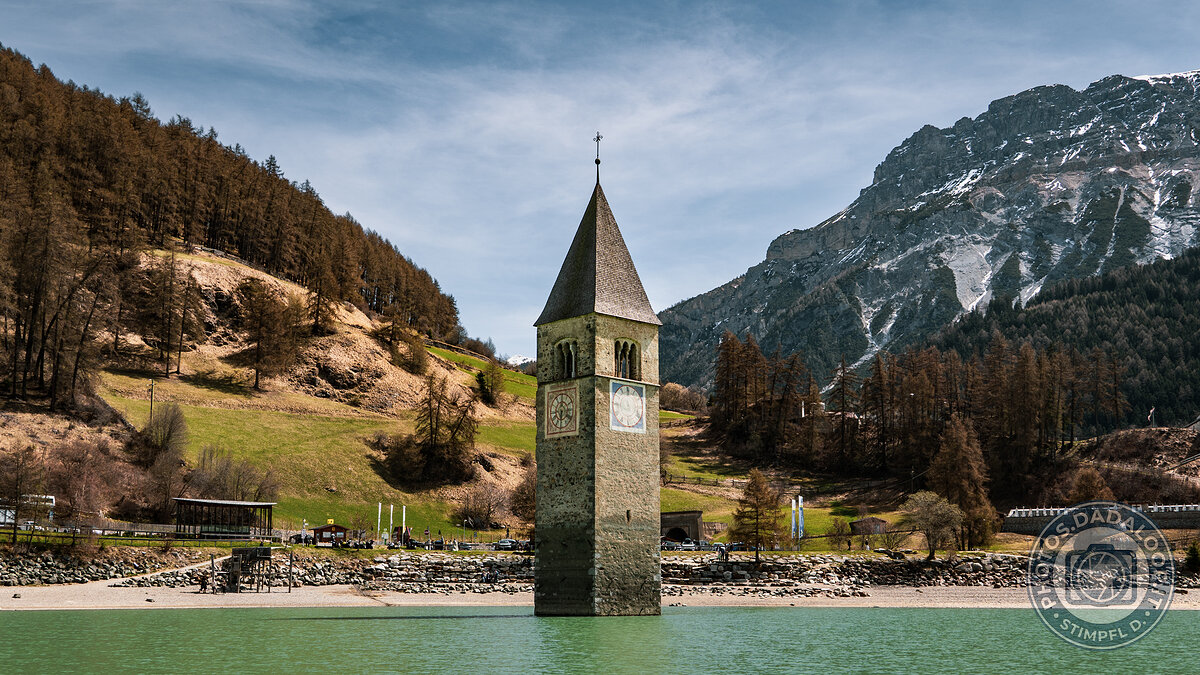
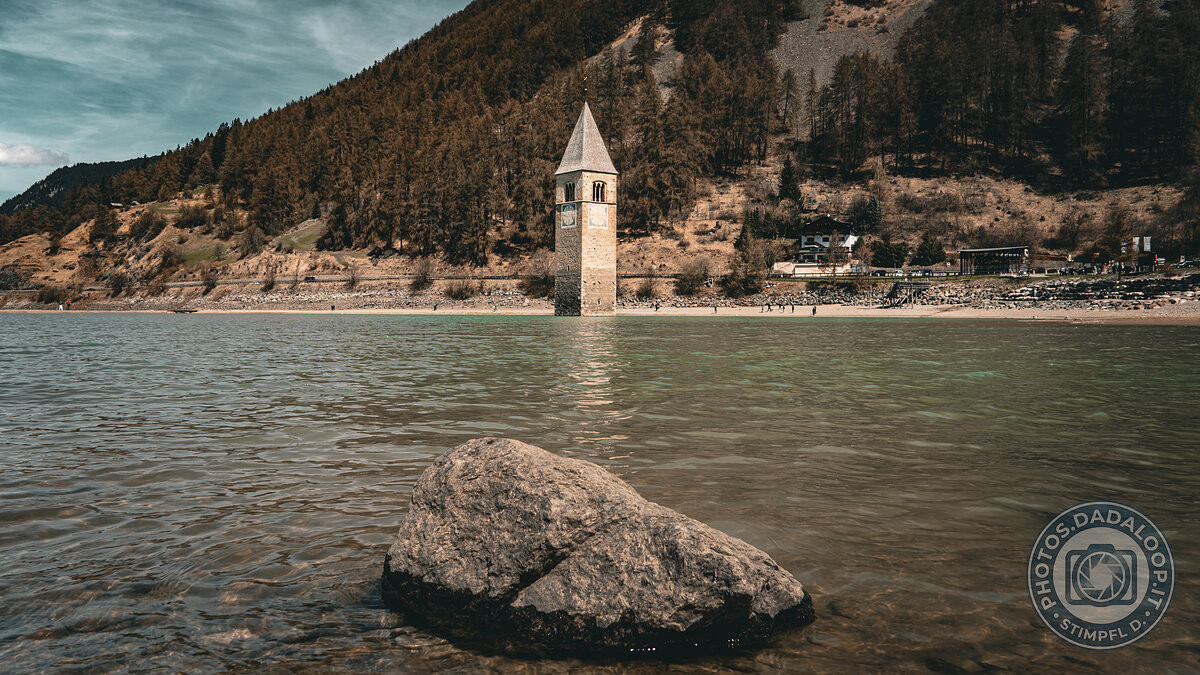
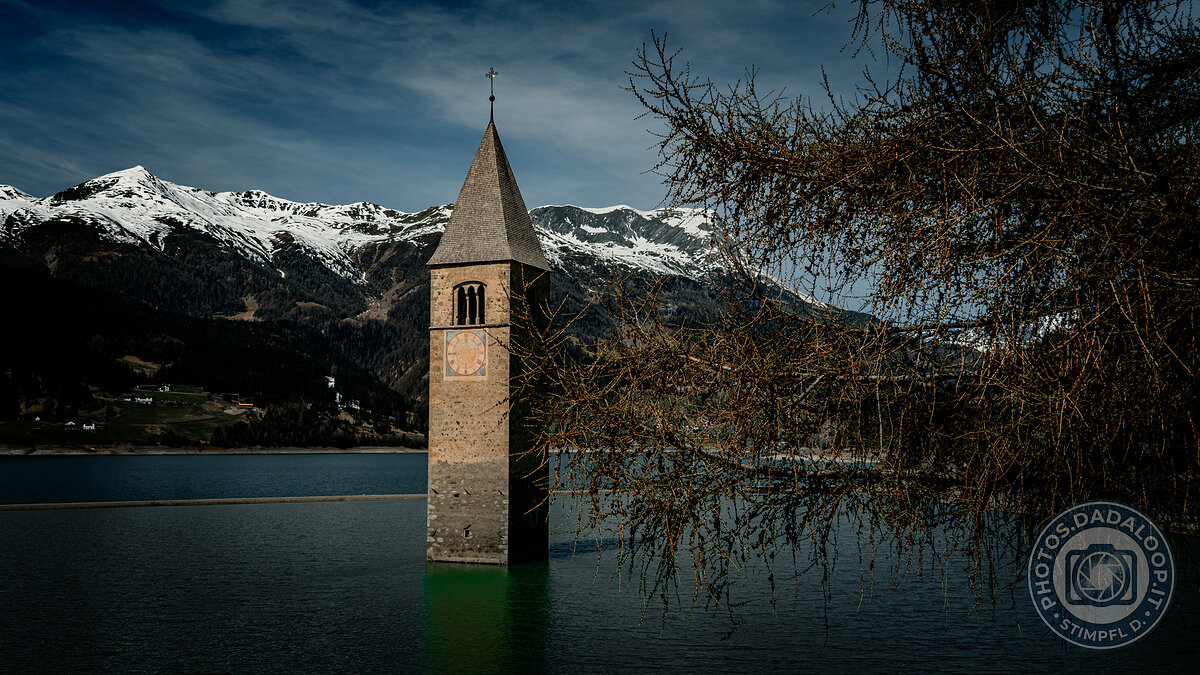
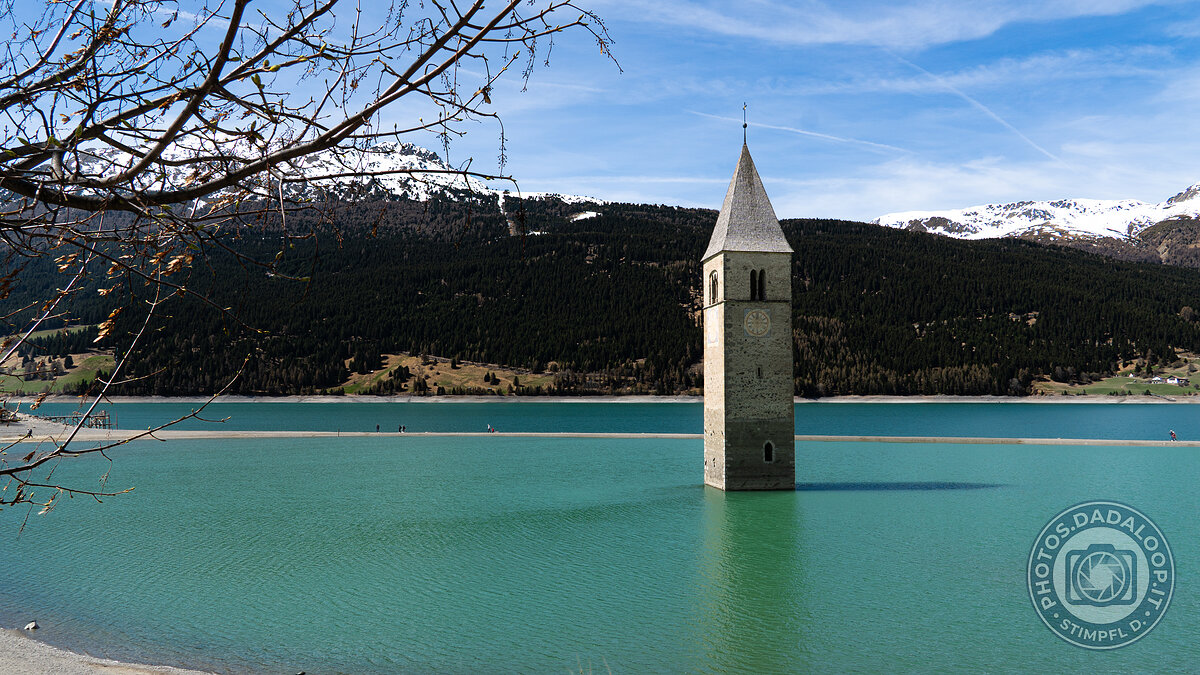
Kirchturm Alt-Graun - Campanile lago di Resia: A Submerged History in Photos
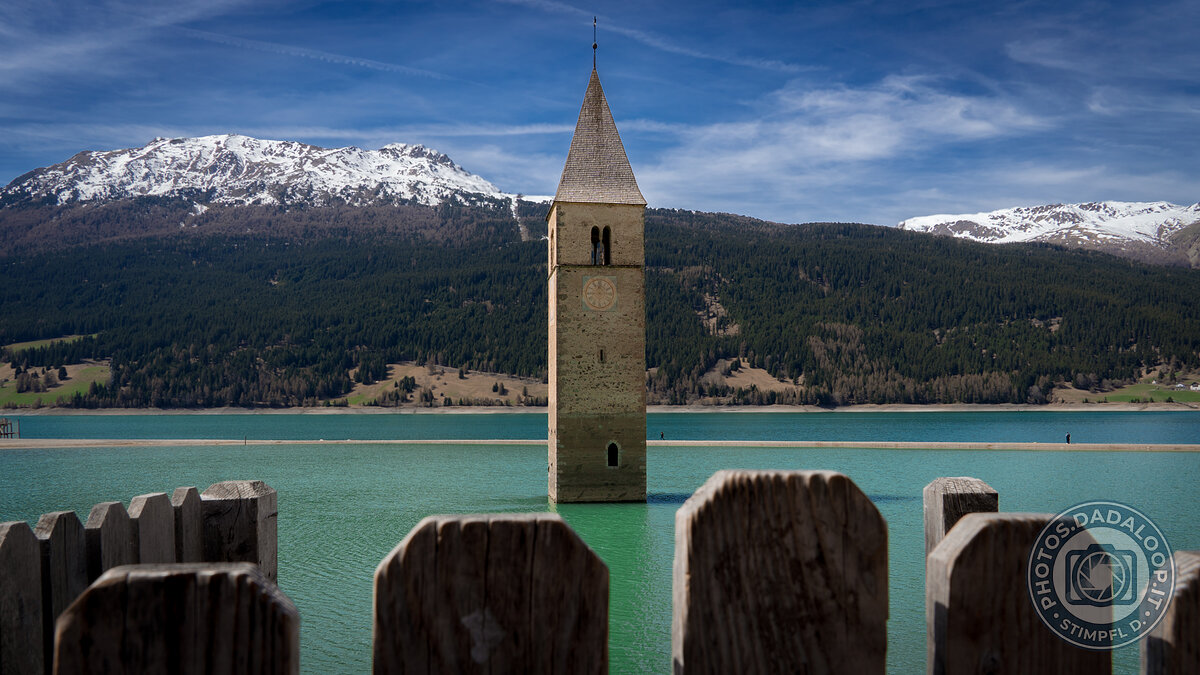
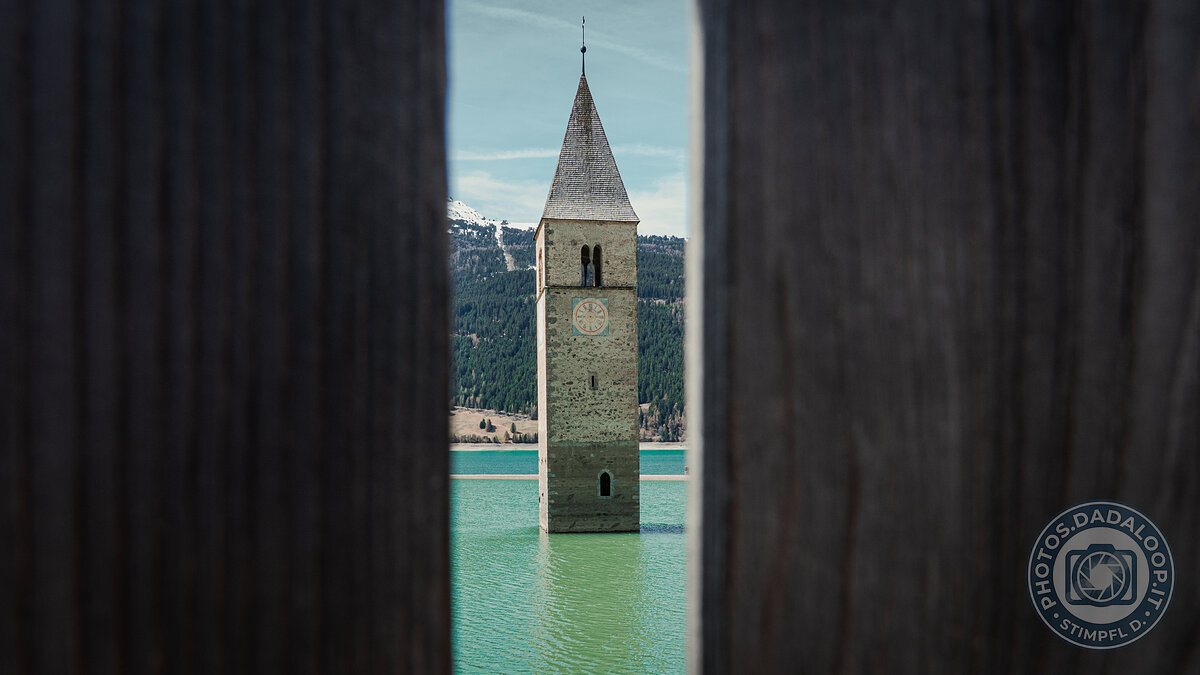
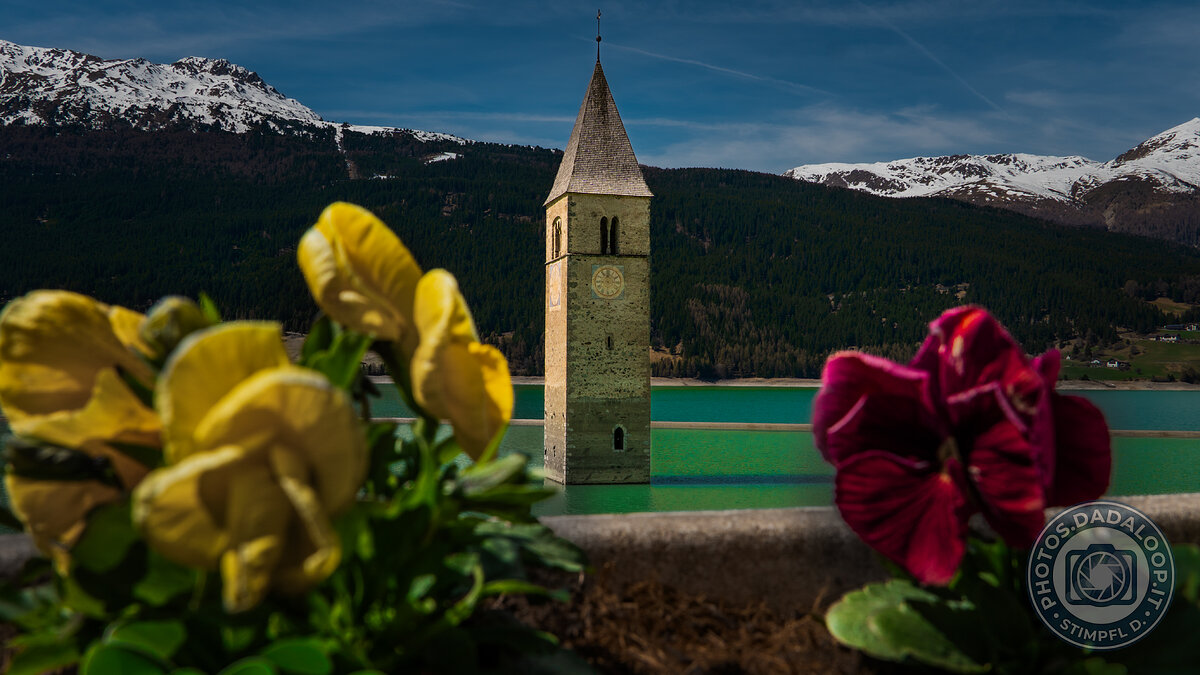
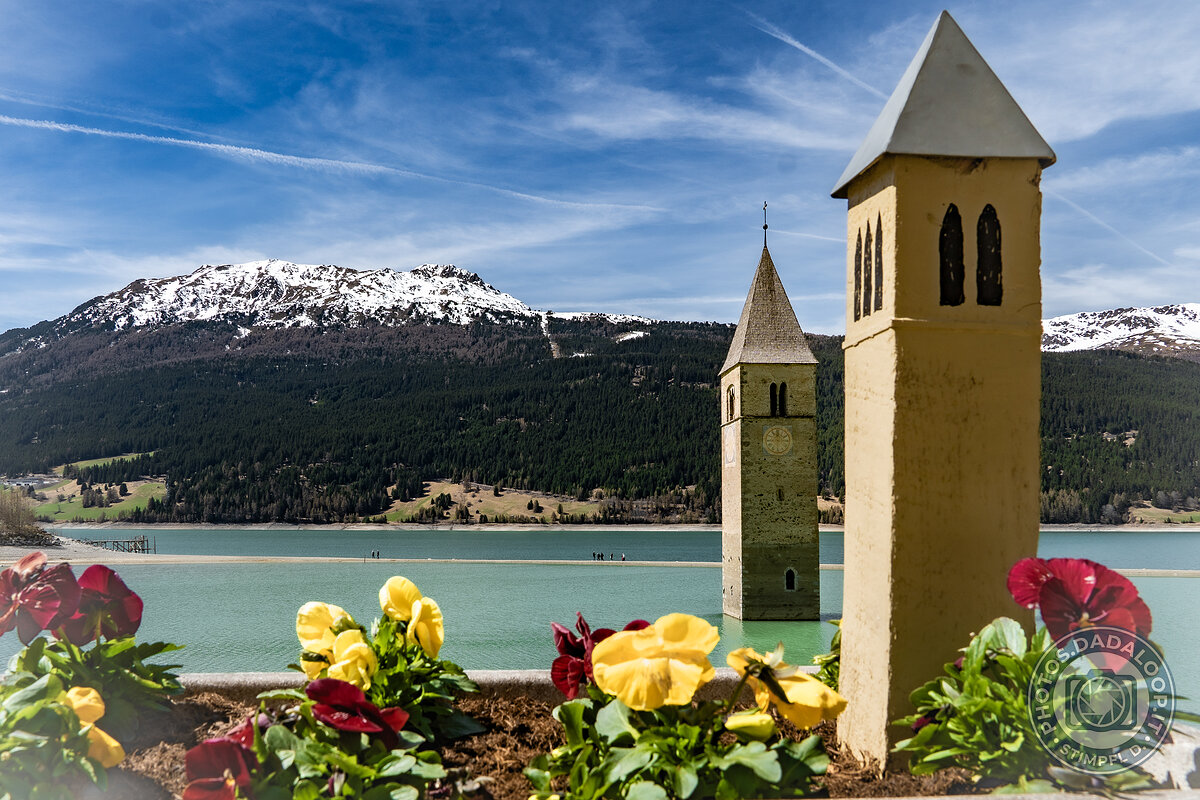
There are places that simply call to you, and for me, the Kirchturm Alt-Graun - Campanile lago di Resia is one such location. It’s more than just a bell tower; it's a silent monument, a piece of history rising stoically from the waters of Lago di Resia in the heart of Alto Adige. Every time I visit, I'm struck by its unique beauty, its solemnity, and the incredible story it tells. Photographing it is always a profound experience, an attempt to capture not just an image, but the very essence of its enduring presence against the backdrop of the majestic mountains. My aim is always to convey the emotion and atmosphere of this iconic landmark. Whether it's bathed in the warm glow of a sunrise, shrouded in the drama of an overcast sky, or perfectly reflected in the still waters, the submerged bell tower offers endless photographic possibilities. It’s a constant challenge to find new ways to portray its quiet dignity and its deep connection to the surrounding landscape.
Capturing the Essence of Kirchturm Alt-Graun
- For these photographic explorations of the Kirchturm Alt-Graun - Campanile lago di Resia, I relied on my Sony Alpha 6300 mirrorless camera. Paired with the versatile E 18-135mm F3.5-5.6 OSS lens, this combination provided the flexibility needed to capture both expansive vistas of the Lago di Resia and intimate details of the bell tower itself. I meticulously kept my ISO settings between 100 and 400 to ensure optimal image quality and minimal noise, even when light conditions were less than ideal.
- The light around Lago di Resia is incredibly dynamic, presenting constant photographic challenges and opportunities. I often found myself navigating the stark contrasts between the bright, reflective surface of the water and the often dramatic, sometimes shadow-draped, backdrop of the surrounding snowy mountains. Whether under a clear blue sky or an intense, moody overcast, I aimed to capture the unique interplay of light and shadow on the Kirchturm Alt-Graun, waiting for those fleeting moments when the sun would perfectly illuminate its stoic presence or create powerful reflections.
- The historical context of the Kirchturm Alt-Graun - Campanile lago di Resia is integral to my photography. This iconic bell tower is all that remains visible of the old village of Curon, which was submerged in 1950 to create the artificial Lago di Resia. Understanding this profound history adds a deep layer to the photographs, as I strive to convey not just a beautiful scene, but also the memory and resilience embedded in this solitary structure. It stands as a silent sentinel, a poignant testament to a past now hidden beneath the waters of Alto Adige.
- My photographic style for the submerged bell tower at Lago di Resia is always about composition and storytelling. I frequently seek out natural frames, such as the curve of the shoreline or the texture of wooden planks, to artfully draw the viewer's eye towards the Kirchturm Alt-Graun. Incorporating foreground elements, like vibrant wildflowers in spring or the intricate patterns of ice in winter, helps to add depth and context, making the iconic structure feel more integrated into its stunning natural environment. It's about finding that unique perspective that highlights both its isolation and its profound connection to the landscape.
📍 Fürstenburg
Fürstenburg: Capturing Alpine Majesty and Historic Castle Views
Stepping onto the grounds of Fürstenburg always feels like a journey back in time, yet it's deeply rooted in the breathtaking present of the Alpine landscape. This isn't just another castle; it's a living narrative etched into the rock and sky, a place where history whispers through ancient walls and the grandeur of nature unfolds in every direction. My photography here is an attempt to translate that profound sense of awe and discovery, from the intricate details of its sacred spaces to the sweeping panoramas of the surrounding valleys and towering peaks.
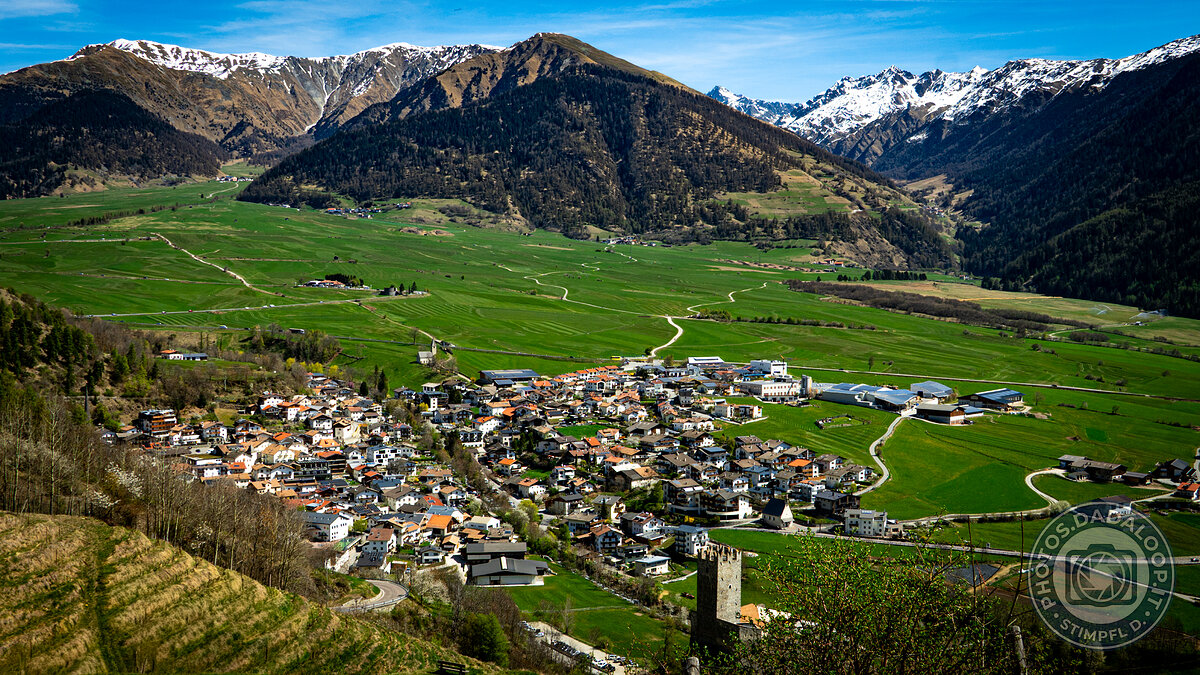
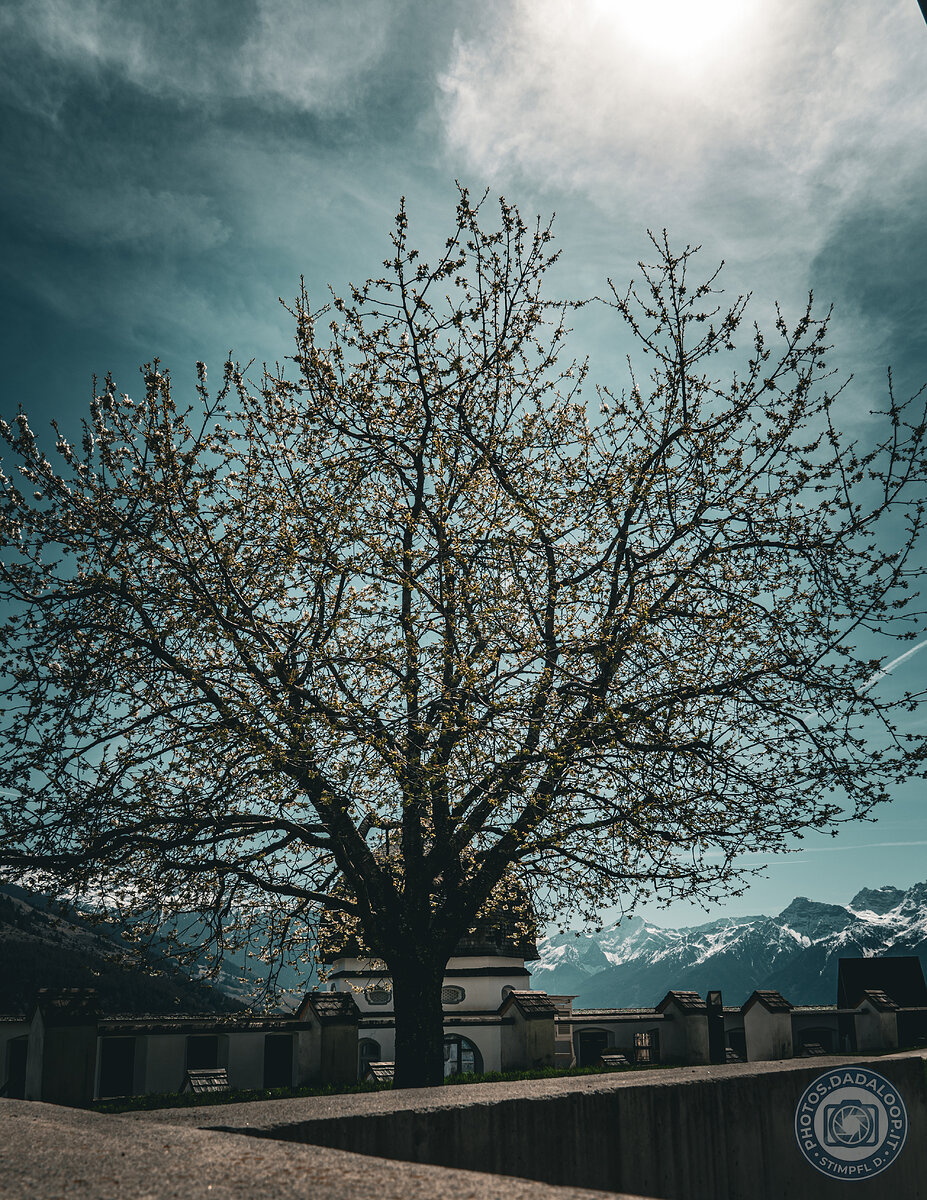
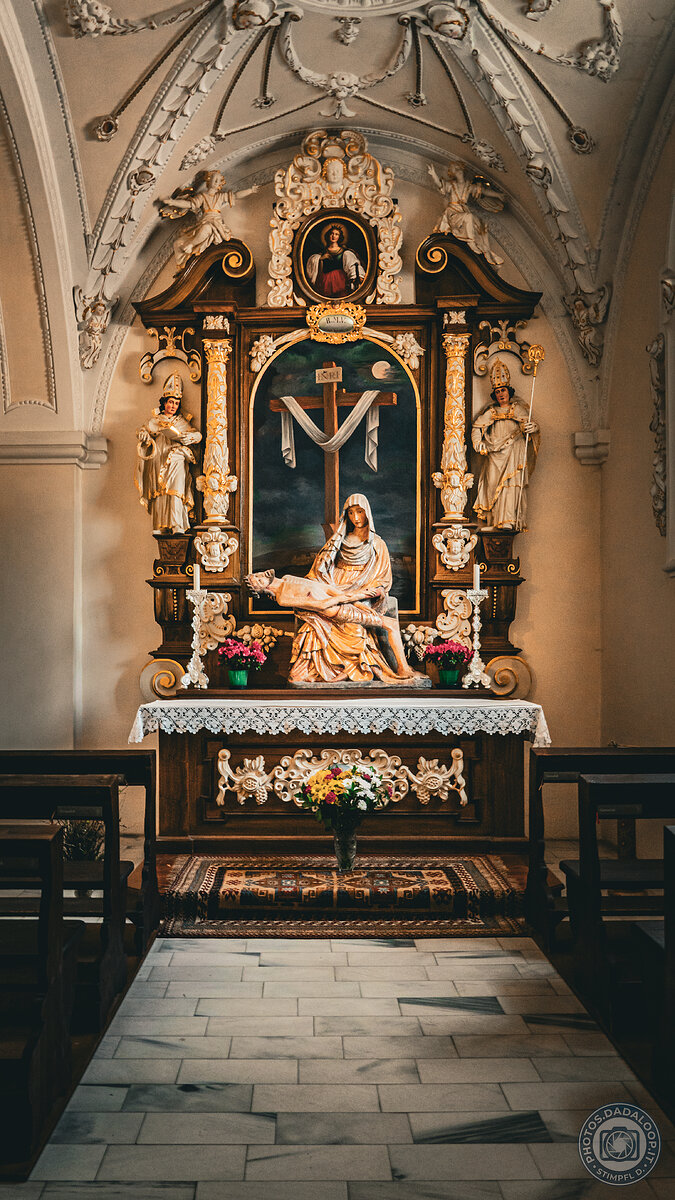
The unique blend of cultural heritage and dramatic natural beauty at Fürstenburg is what truly captivates me. I find myself constantly shifting perspective, from admiring the delicate artistry of a baroque altar inside a quiet church to gazing out at a vast expanse of snow-capped mountains and a village nestled far below. It’s a place that demands attention to both the minute and the magnificent, offering endless opportunities for a photographer to explore depth, light, and story.
My Photographic Journey at Fürstenburg
- For this extensive exploration of Fürstenburg, my trusted Sony Alpha 6300 mirrorless APS-C camera was paired with the versatile E 18-135mm F3.5-5.6 OSS lens. This combination proved invaluable, allowing me to seamlessly transition from wide-angle landscape views, capturing the full scope of the Alpine panorama, to detailed telephoto shots of distant architectural elements or the intricate carvings of a baroque altar. The compact size of the Alpha 6300 also made navigating the castle's various levels and surrounding trails much easier, ensuring I was always ready for the next captivating scene.
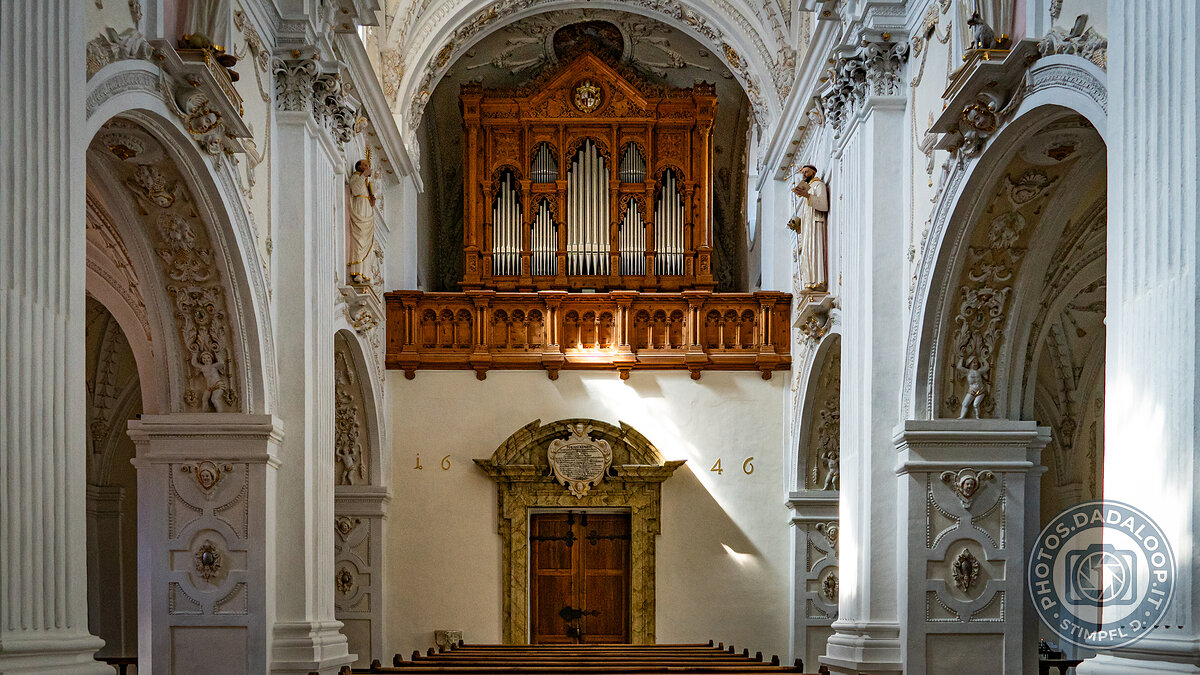
- Lighting at Fürstenburg presented a fascinating range of challenges and opportunities. Inside the historic churches, the ambient light was often subdued, requiring careful attention to exposure and sometimes pushing the ISO range to around 1600 to capture the rich textures of the monumental organ or the delicate sculptures without sacrificing detail. Conversely, the exterior shots, especially those capturing the high-altitude Alpine landscape with its snowy peaks, demanded managing bright sunlight and deep shadows to ensure balanced exposures that highlighted both the brilliant whites of the snow and the vibrant greens of the valleys.
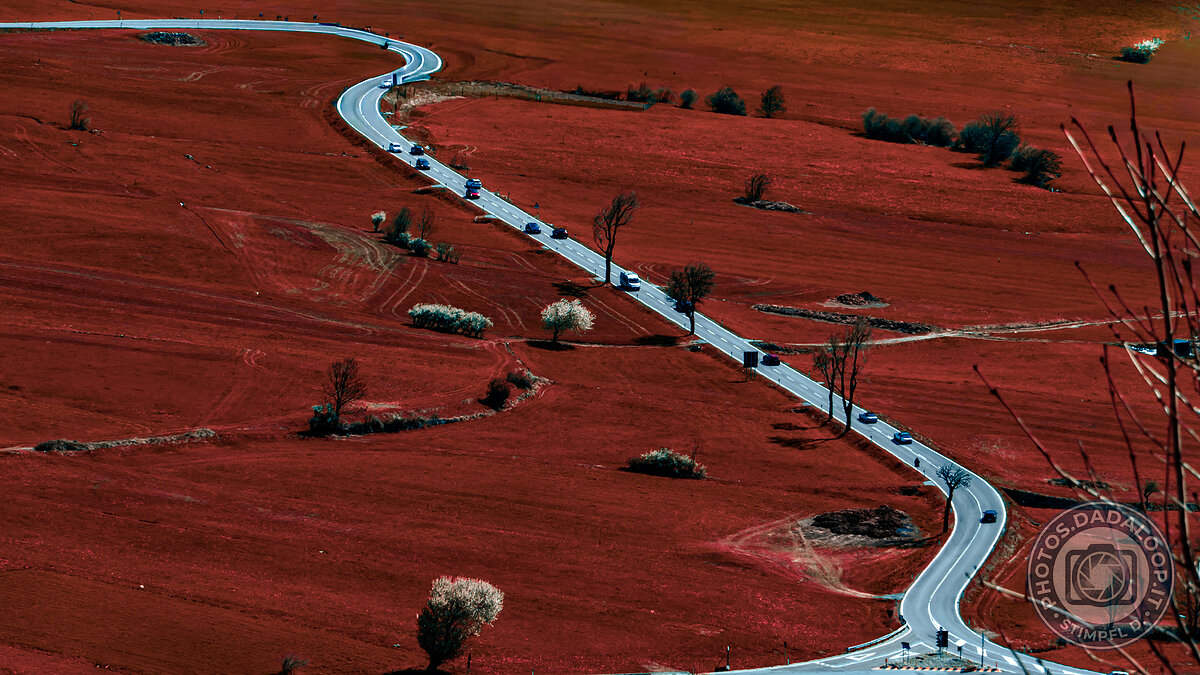
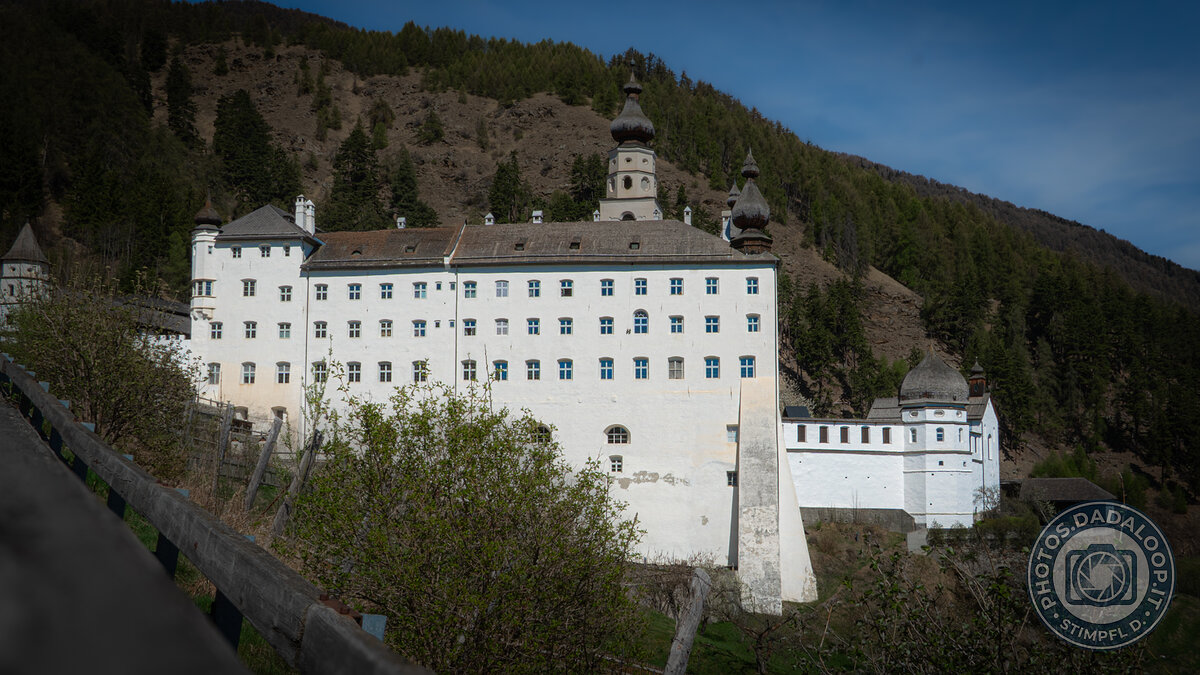
- The geographic and historical context of Fürstenburg is central to its photographic appeal. Perched strategically in the Alps, this historic castle has witnessed centuries of change, its architecture telling tales of various eras. Beyond the castle itself, the nearby white abbey with its distinctive onion domes, and the winding roads through red fields, all contribute to a rich tapestry of subjects. I aimed to capture this interplay between human endeavor and the raw power of nature, showcasing how the castle stands as a sentinel over a landscape that is both beautiful and formidable.
- My photographic style at Fürstenburg focused on capturing both the grand scale and the intimate details. I often sought out compositions that emphasized the dramatic contrasts – the stark white of a flowering tree against a backdrop of distant, snow-covered mountains, or the sweeping curves of an asphalt serpentine cutting through vibrant fields, seen from an aerial perspective. Inside, the focus shifted to the intricate baroque architecture and the devotional art, using available light to highlight the craftsmanship and spiritual atmosphere. Every shot was an attempt to convey the multilayered experience of being present in such a historically and naturally significant location.
Leaving Fürstenburg, I always carry with me a renewed appreciation for places that seamlessly blend human history with the wild beauty of the Alps. It’s a privilege to document such a powerful and evocative setting through my lens, hoping to share a glimpse of its enduring magic.
📍 Ruine Lichtenberg - Castel Montechiaro
Ruine Lichtenberg - Castel Montechiaro: Echoes of History in Stone and Sky
Stepping onto the grounds of Ruine Lichtenberg - Castel Montechiaro is like walking through time itself. I remember the crisp alpine air, the silence broken only by the wind whispering through ancient stones, and the distant jingle of cowbells. This wasn't just another castle ruin; it was a living canvas of history, set against the breathtaking backdrop of the Alps. The sheer scale and the weathered beauty of the stone walls immediately captivated me, promising countless stories waiting to be told through my lens. It's a place where the past feels incredibly present, demanding contemplation and a careful eye to capture its essence. What truly struck me, beyond the majestic architecture, was the unexpected vibrancy of life around these venerable ruins. From curious calves peeking over fences to the solemn gaze of cows grazing peacefully near the ancient walls, there was a delightful juxtaposition of the wild and the historic. Even a glimpse of a medieval fresco, still clinging to a tower, offered a rare window into the lives of those who once called this imposing structure home. Every corner of Castel Montechiaro presented a unique photographic opportunity, from wide vistas of the surrounding landscape to intricate details on the crumbling stone.
My Photographic Journey at Castel Montechiaro
- For this particular series at Ruine Lichtenberg - Castel Montechiaro, I relied on my trusty Sony Alpha 6300 mirrorless camera. Paired with the versatile E 18-135mm F3.5-5.6 OSS lens, it offered the flexibility I needed to capture both expansive landscape shots of the castle against the dramatic sky and close-up details of the ancient stonework and curious farm animals, all while maintaining a compact setup for exploring the rugged terrain.
- The lighting conditions at the ruins presented their own set of challenges and opportunities. I often found myself working with a bright, clear sky, which, while beautiful for showcasing the castle's silhouette against the snow-capped Alps, also meant managing high contrast. I aimed to balance the brilliant blues of the sky with the intricate textures of the stone, often waiting for the sun to highlight specific architectural features or to cast dramatic shadows that emphasized the castle's age. On other occasions, a more dramatic and dark sky rolled in, adding a profound sense of atmosphere to the ancient towers and cracked walls, allowing me to capture a moodier, more introspective feel within the ISO 100–250 range.
- The historical significance of Ruine Lichtenberg - Castel Montechiaro is palpable. These ancient stone castle ruins stand as a testament to centuries of history, overlooking a stunning landscape. Understanding its past, even just a little, truly enriched my photographic approach. I wanted to convey not just the physical structure, but also the stories embedded within its walls – the lives lived, the battles fought, the sheer endurance of these medieval fortifications. The surrounding Alpine views and green pastures also reminded me of the enduring connection between human history and the natural world, a relationship I sought to highlight in my compositions.
- My approach at Castel Montechiaro was to blend wide, sweeping vistas that capture the imposing castle within its grand natural setting, with intimate details that reveal its character. I focused on textures – the rough, weathered stone, the delicate remnants of a medieval fresco, the soft fur of a curious calf. Compositionally, I often used leading lines from the ruins themselves to draw the viewer's eye towards the distant mountains or a dramatic sky, aiming to evoke both the majesty and the quiet solitude of this remarkable place. Capturing the curious cows and calves added a touch of unexpected life and connection to the present, a playful contrast to the ancient stones.
📍 Ruinele Hotelului Național
Capturing the Echoes: Ruinele Hotelului Național Through My Lens
My journey to Ruinele Hotelului Național was more than just a photographic assignment; it was an immersion into a place where history whispers through crumbling walls. Standing amidst the skeletal remains of what was once a grand hotel in Chisinau, Moldova, I felt a profound sense of time suspended. The air was thick with stories, of past grandeur and eventual abandonment, a stark visual poem of urban decay. It's a location that truly embodies the layered history of the city, a poignant reminder of a bygone era. I aimed to capture not just the physical structures but the very atmosphere of this forgotten landmark, and how it sits within the broader, often stark, landscape of Chisinau. My Photographic Approach to the Ruins
- For documenting the intricate details of decay and the expansive urban vistas around Ruinele Hotelului Național, I primarily relied on my Sony Alpha 6300. Paired with the versatile E 18-135mm F3.5-5.6 OSS lens, I could effortlessly switch from wide-angle shots of the surrounding Soviet era residential districts and imponente architettura governativa to tighter frames highlighting the textures of crumbling concrete and rusting metal within the ruins themselves. For those spontaneous moments or when navigating particularly tight spaces, my OPPO Find X5 proved invaluable, offering a quick and discreet way to capture candid observations.
- Lighting at Ruinele Hotelului Național presented its own set of challenges. Often, the skies above Chisinau were overcast, casting a soft but sometimes flat light on the exterior, as seen in the "cielo nuvoloso" in some of my broader cityscapes. Inside the ruins, deep shadows and uneven light sources were common. My cameras' ISO range of 50–2500 was crucial here, allowing me to maintain image quality in low-light conditions without resorting to artificial light, thus preserving the natural, melancholic mood of the site.
- The historical context of Ruinele Hotelului Național is inseparable from its photographic narrative. It stands as a powerful symbol of Chisinau's past, nestled amidst the urban density and geometric repetitions of Soviet era architecture. My aim was to place these ruins within their geographical and historical context, showing how they contribute to the unique character of the city. It's a place where the echoes of history are palpable, contrasting sharply with the ongoing life and unexpected pockets of sentimentality, like the "atmosfera romantica con orsetti e luci a forma di cuore" I encountered elsewhere in the city, adding layers to the urban story.
- My photographic style at Ruinele Hotelului Național was deeply influenced by the stark reality of the place. I focused on capturing the facciate di condomini sovietici, the "blocchi di cemento," and the overall "vista urbana di Chișinău in una giornata grigia," emphasizing the raw, unvarnished truth of the environment. I sought out compelling compositions that highlighted the geometric repetitions in the architecture, the play of light and shadow on decaying surfaces, and the sheer scale of the urban landscape, including the "traffico serale sul ponte illuminato." It was about documenting the beauty found in decay and the enduring spirit of the city.
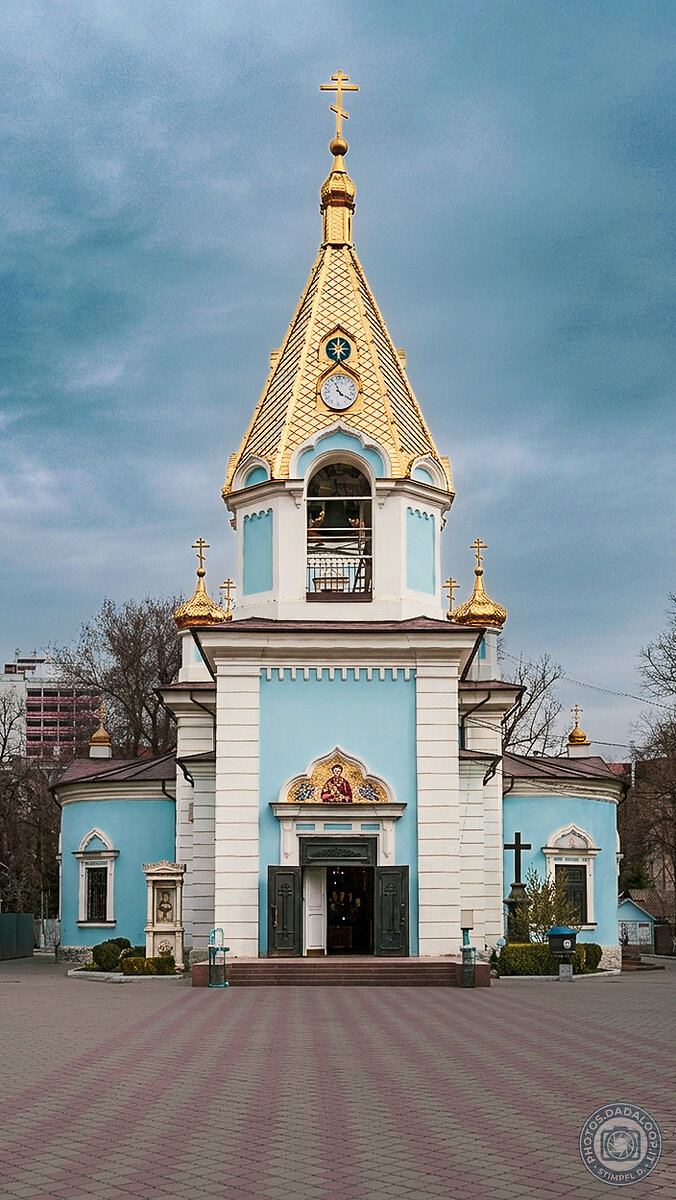
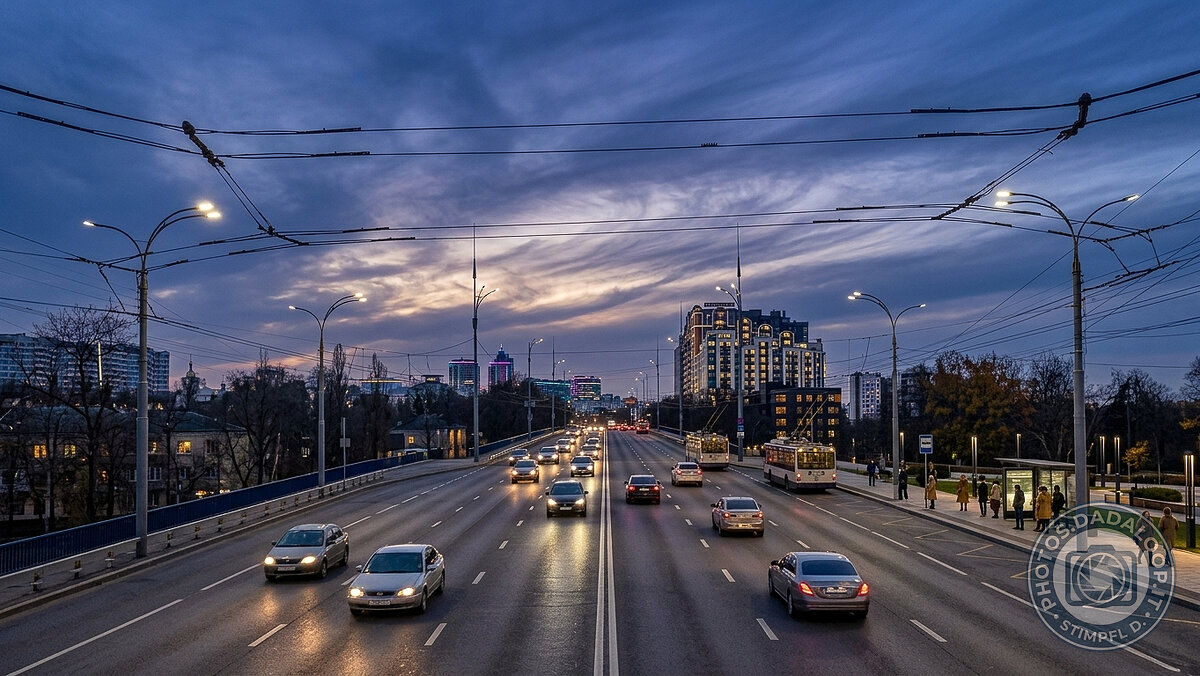
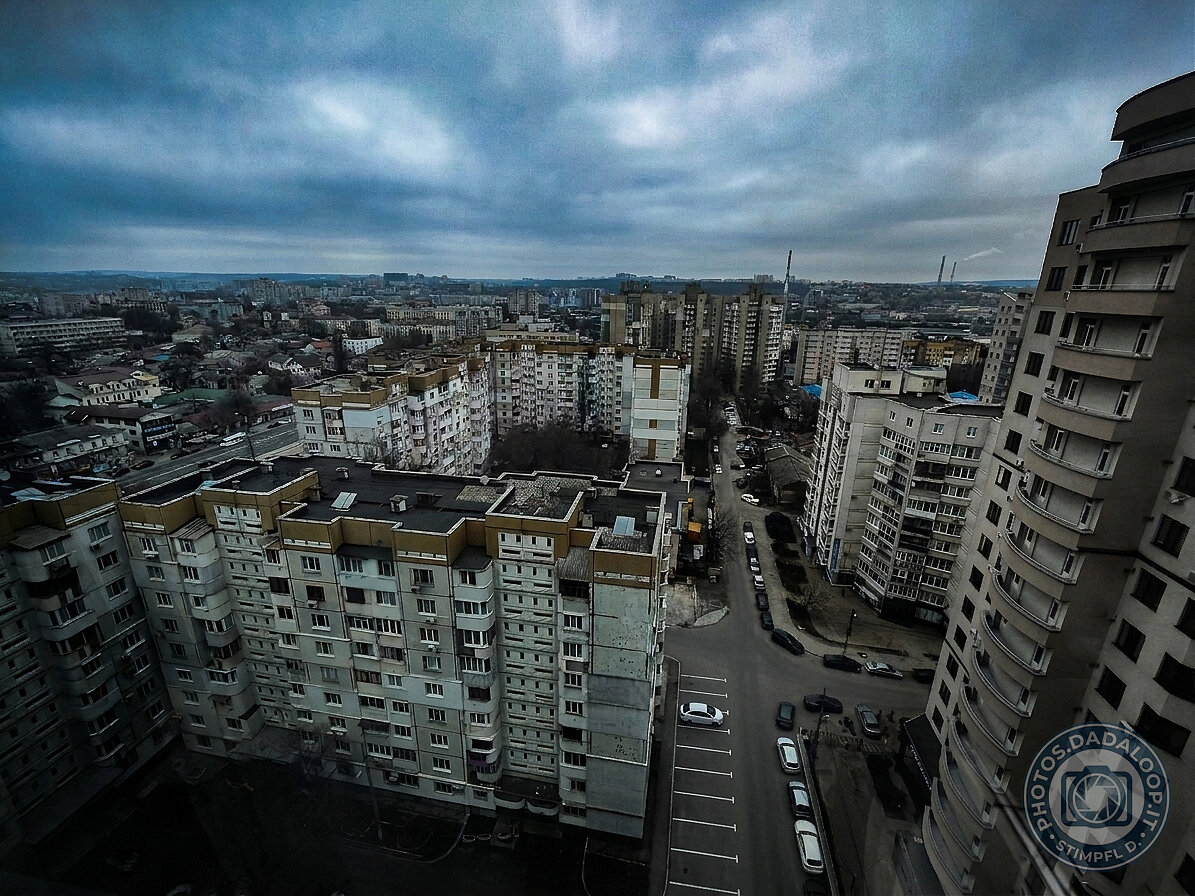
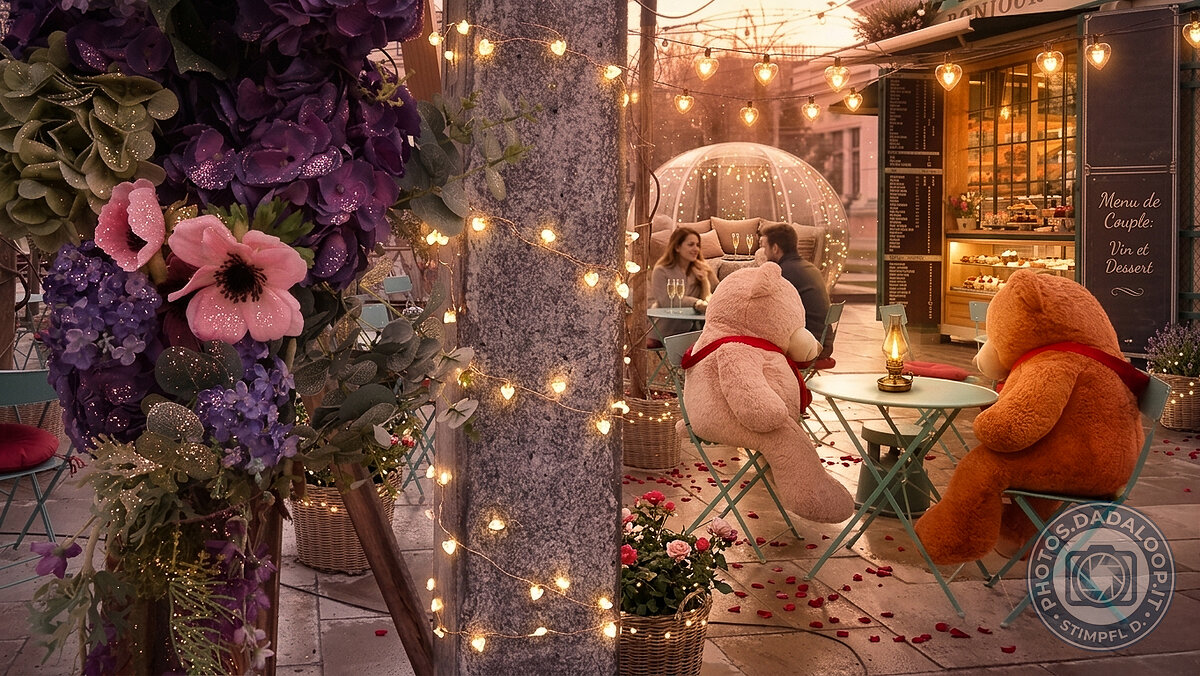
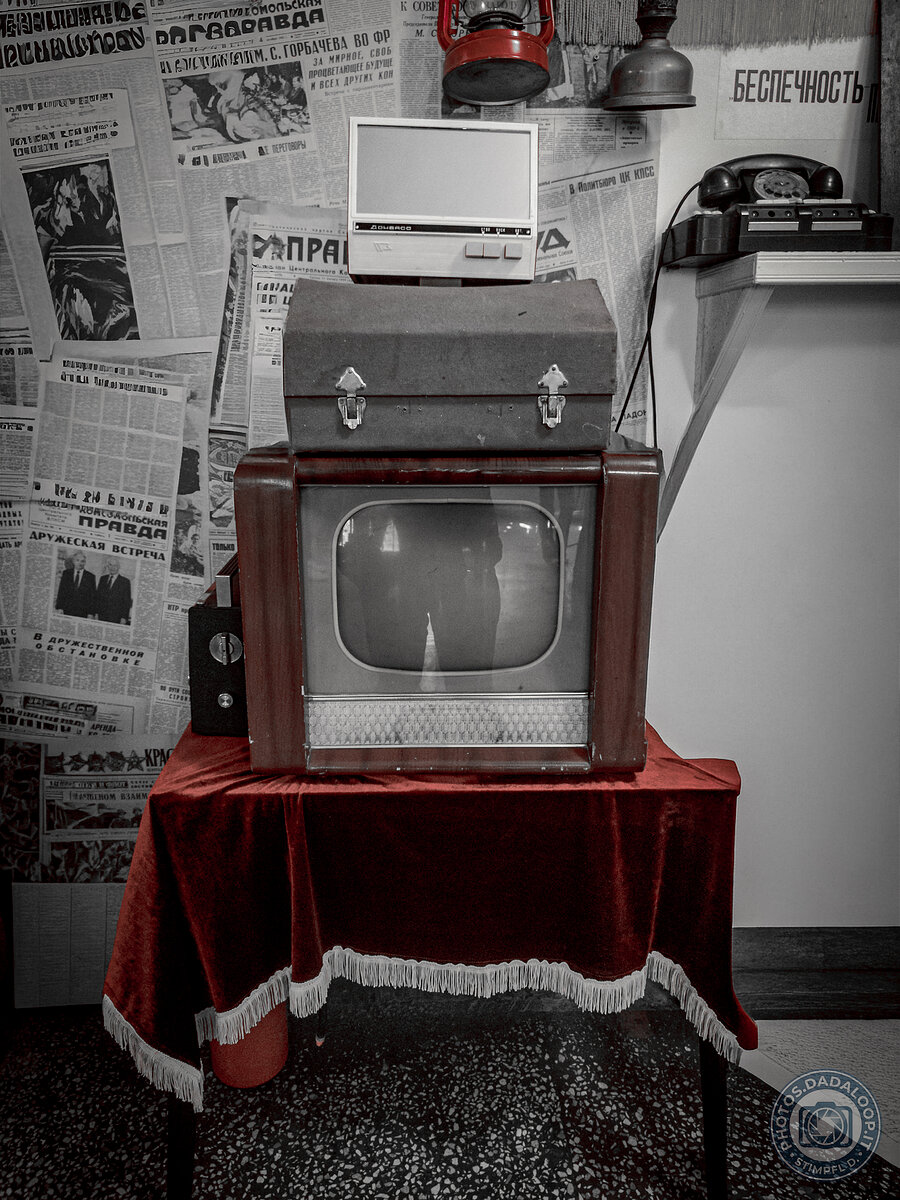
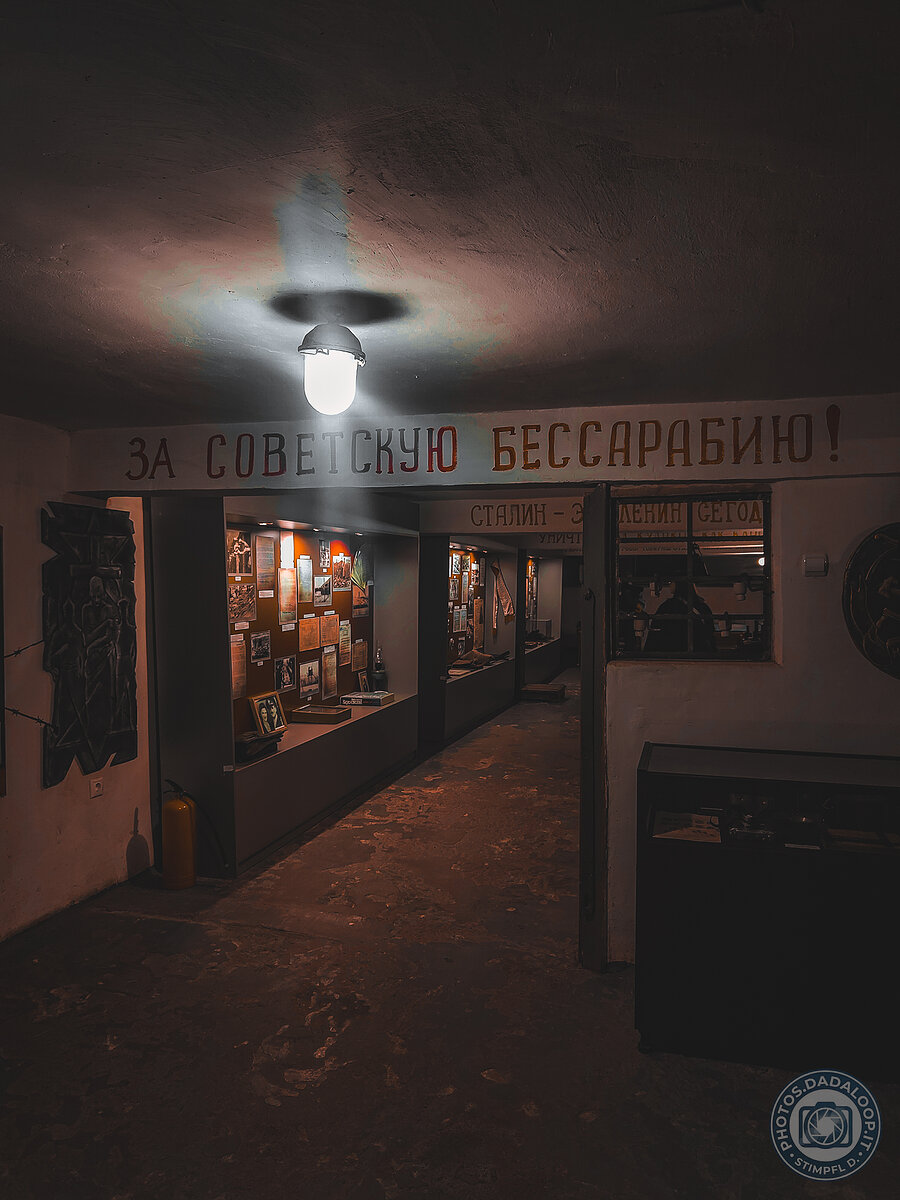
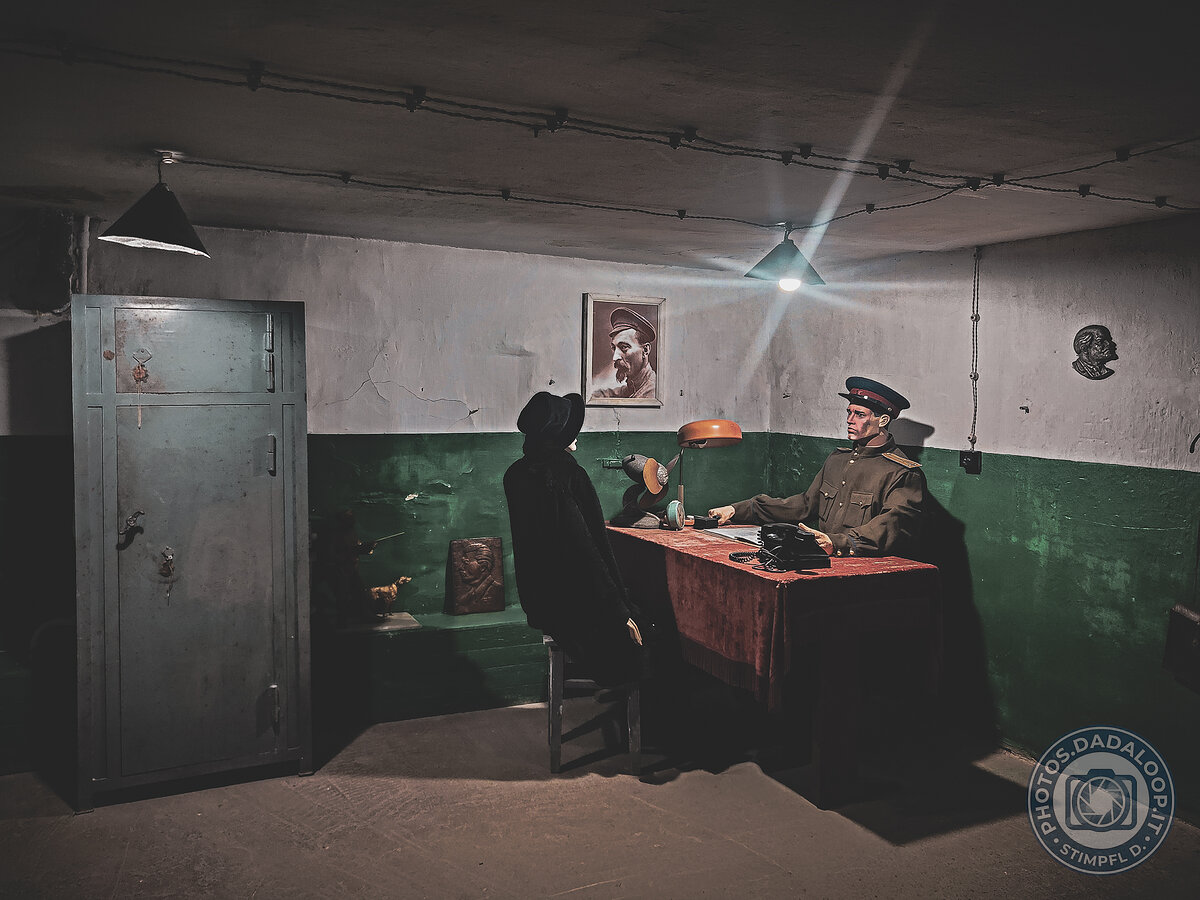
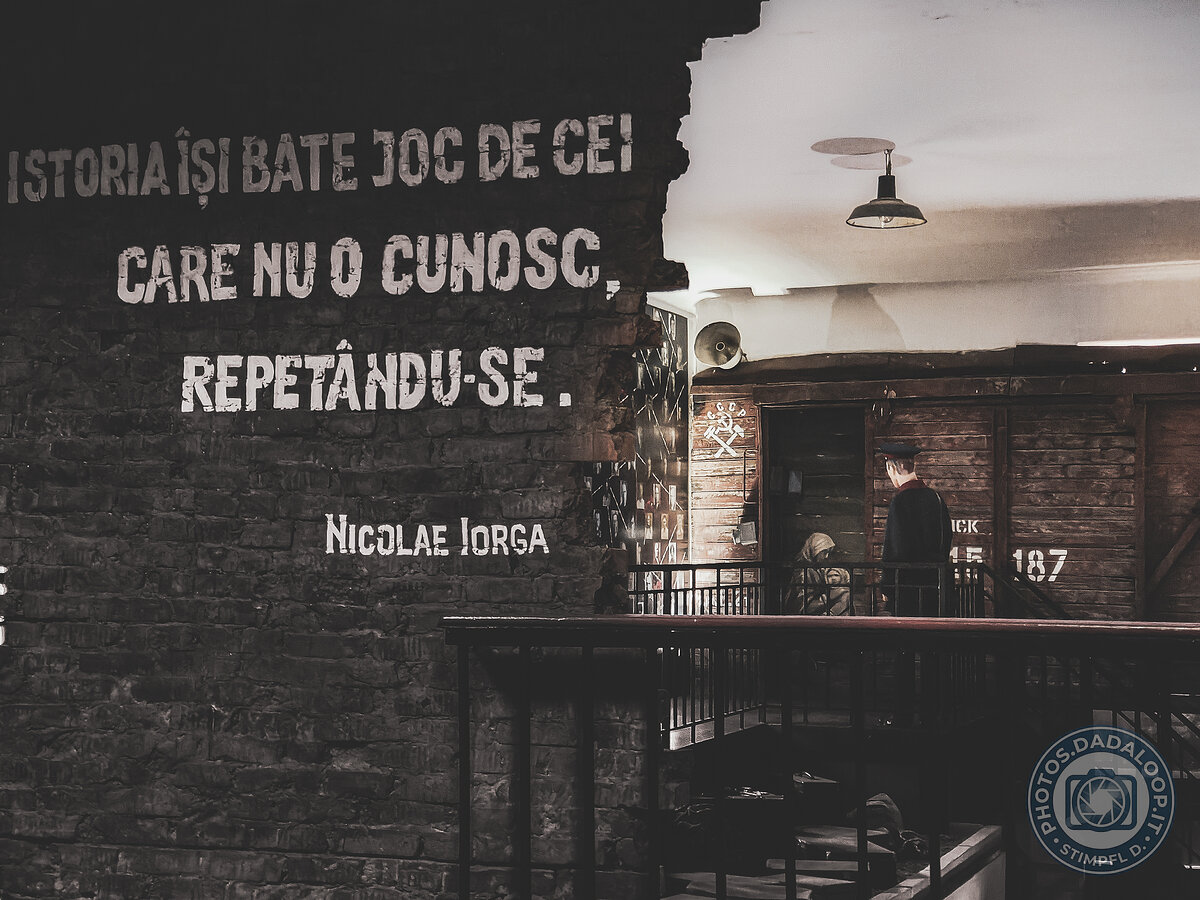
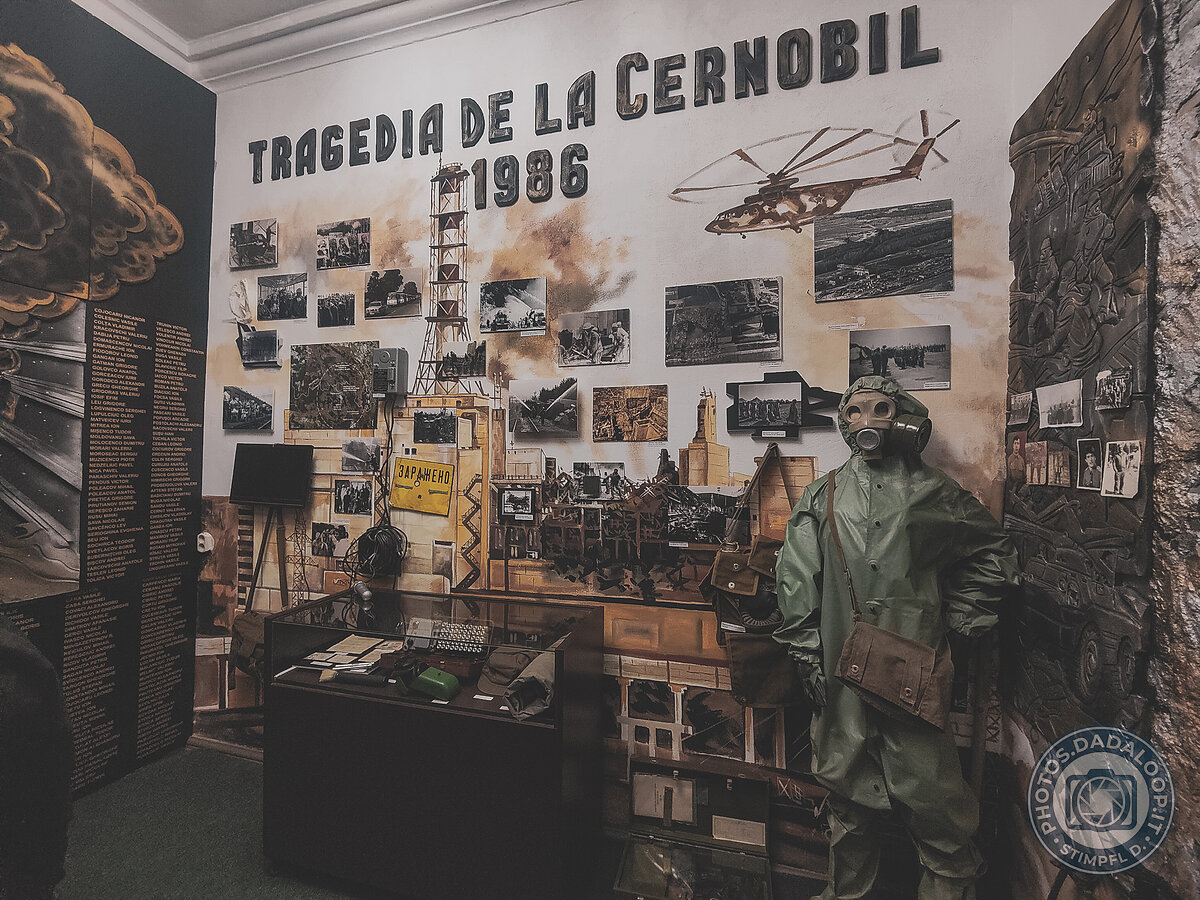
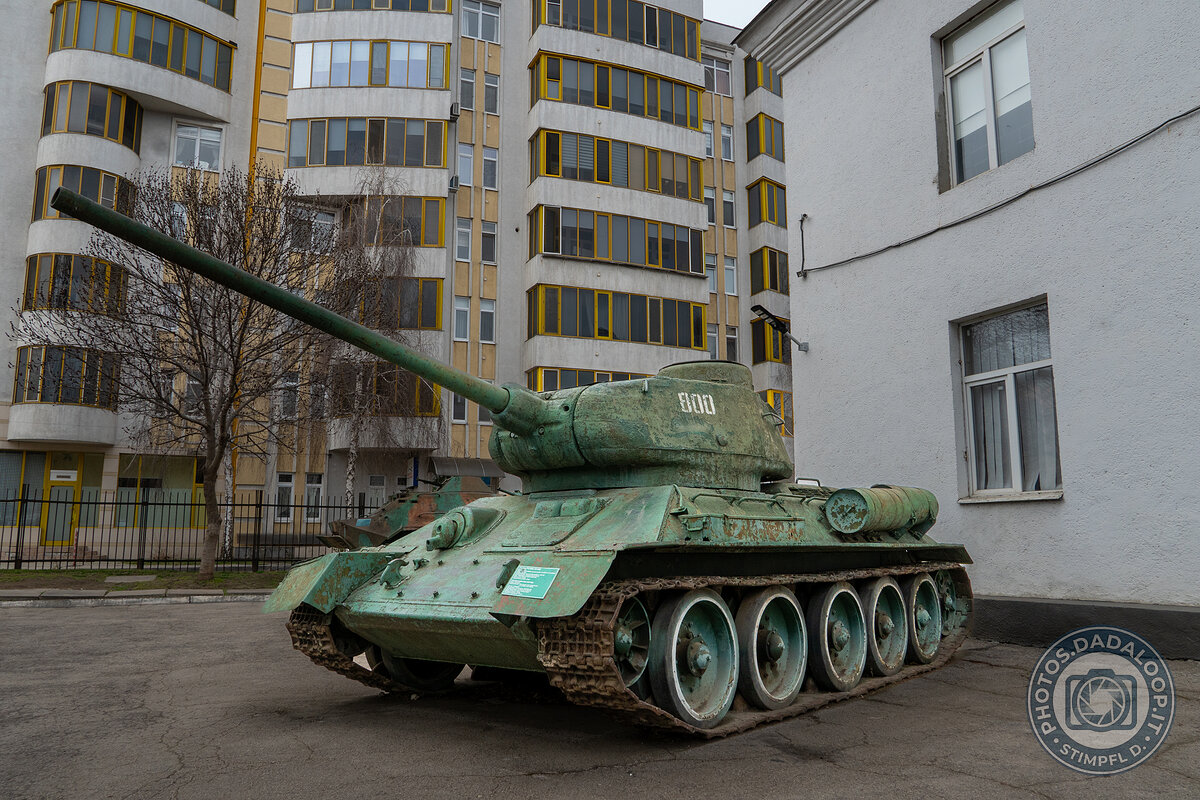
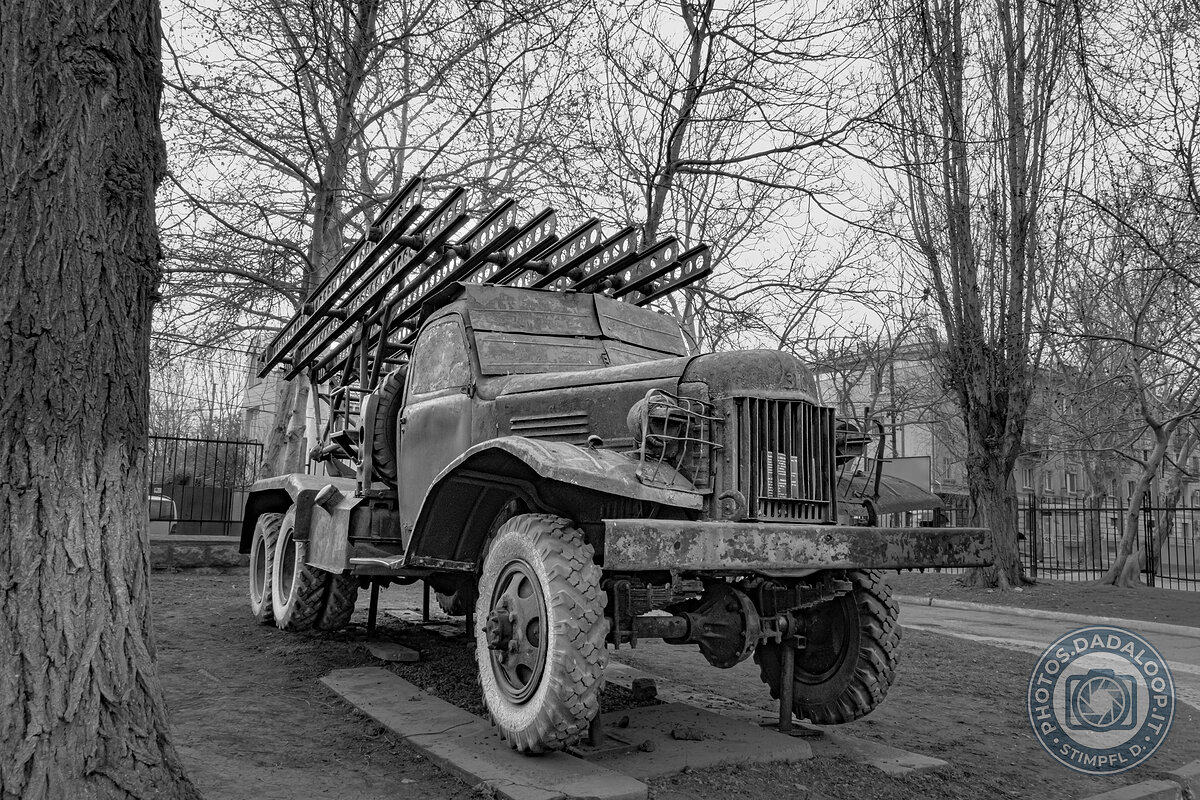
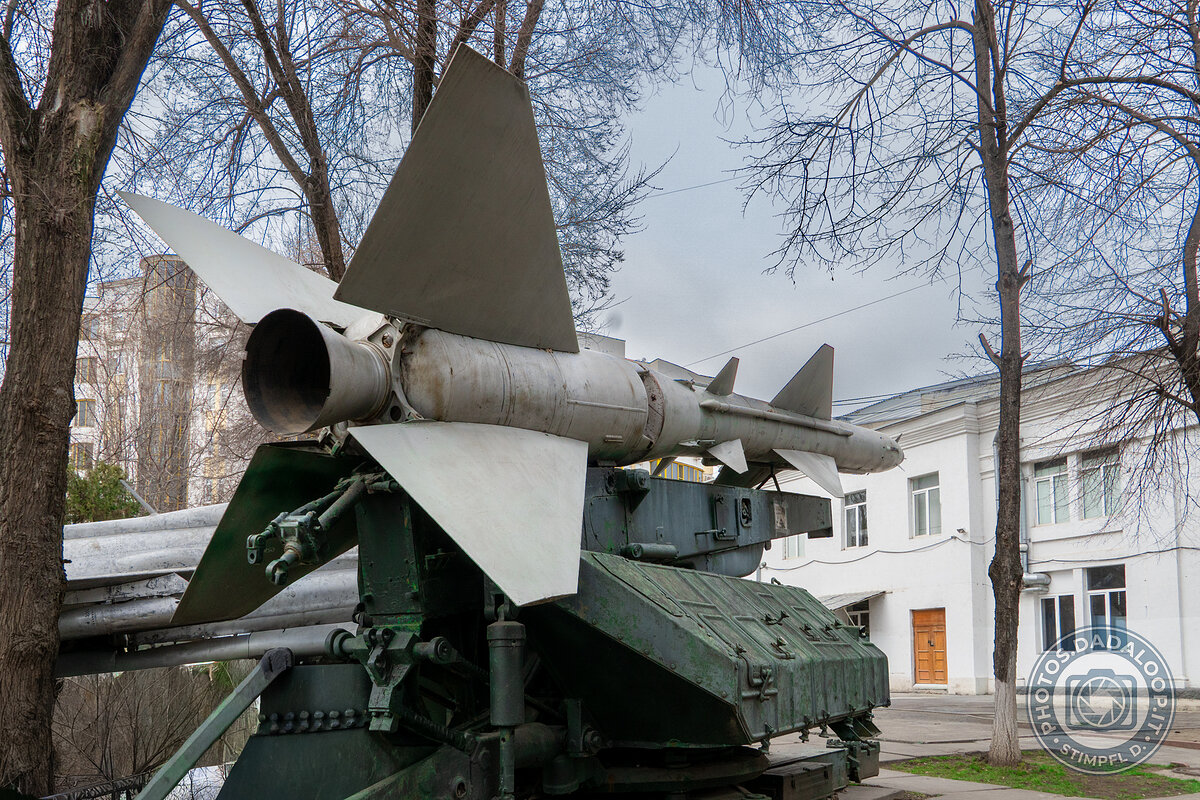
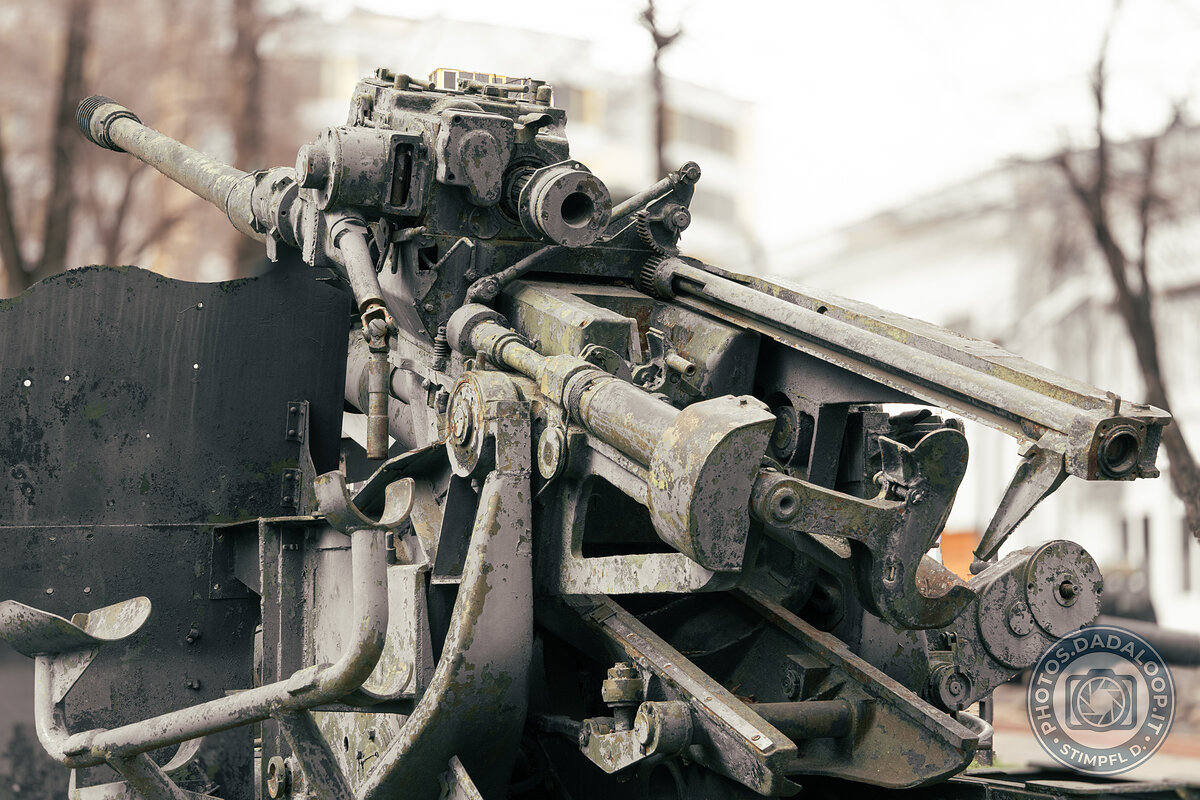
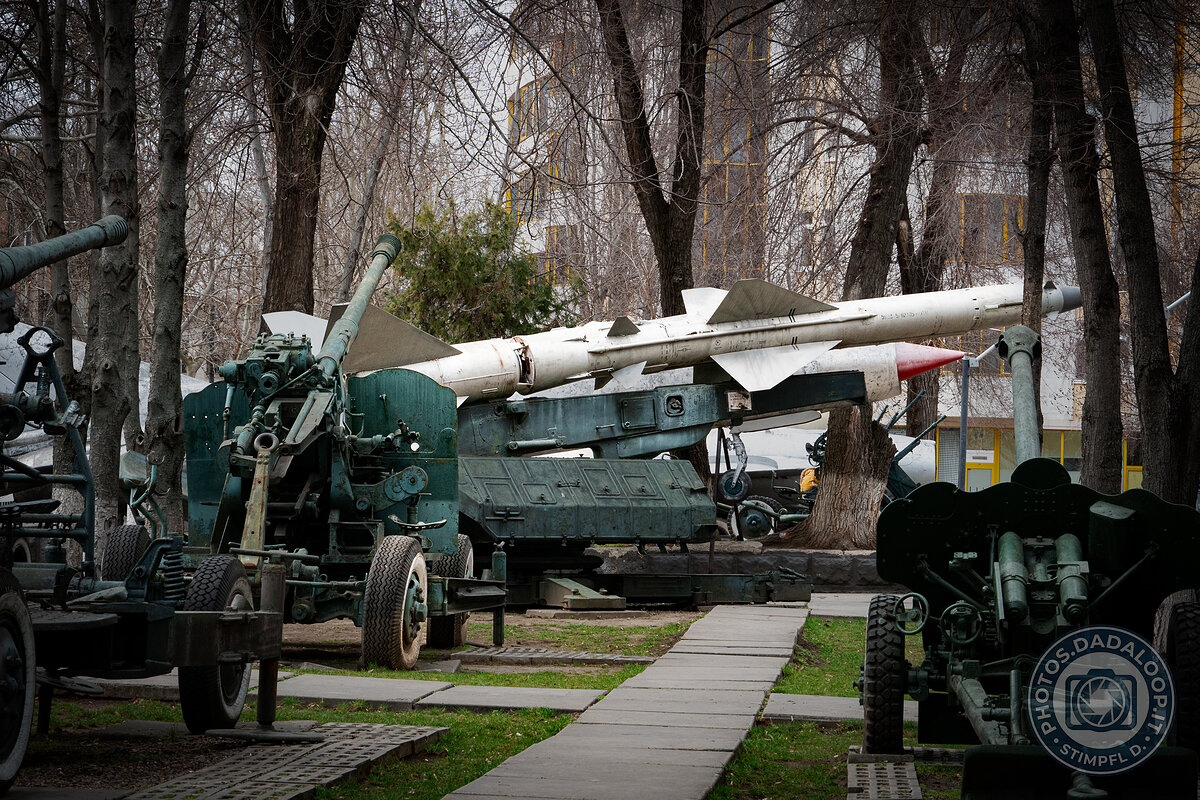
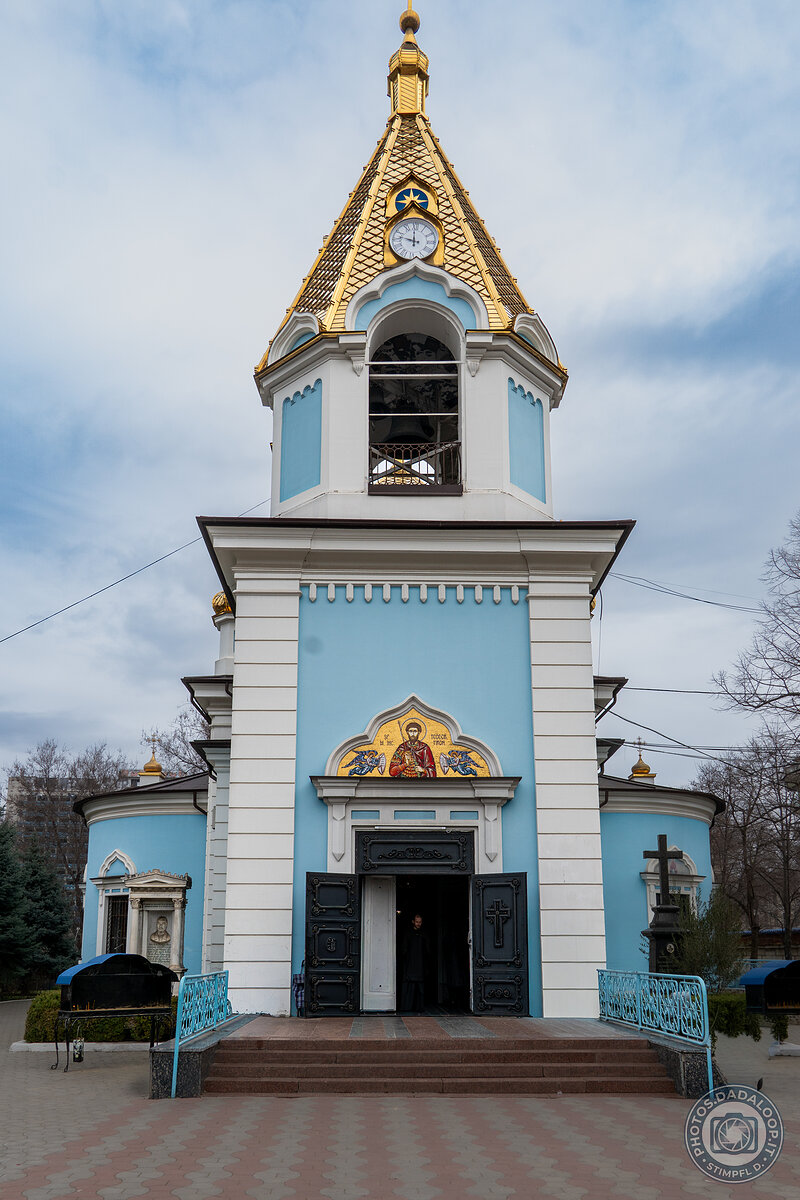
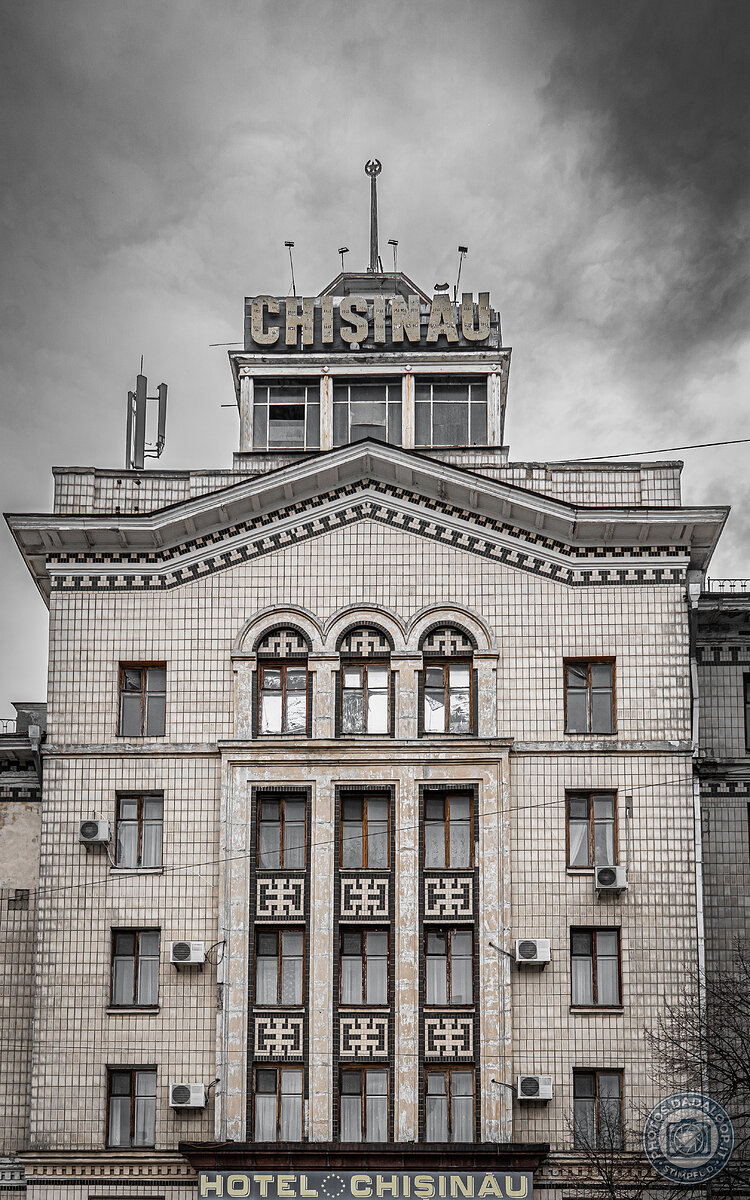
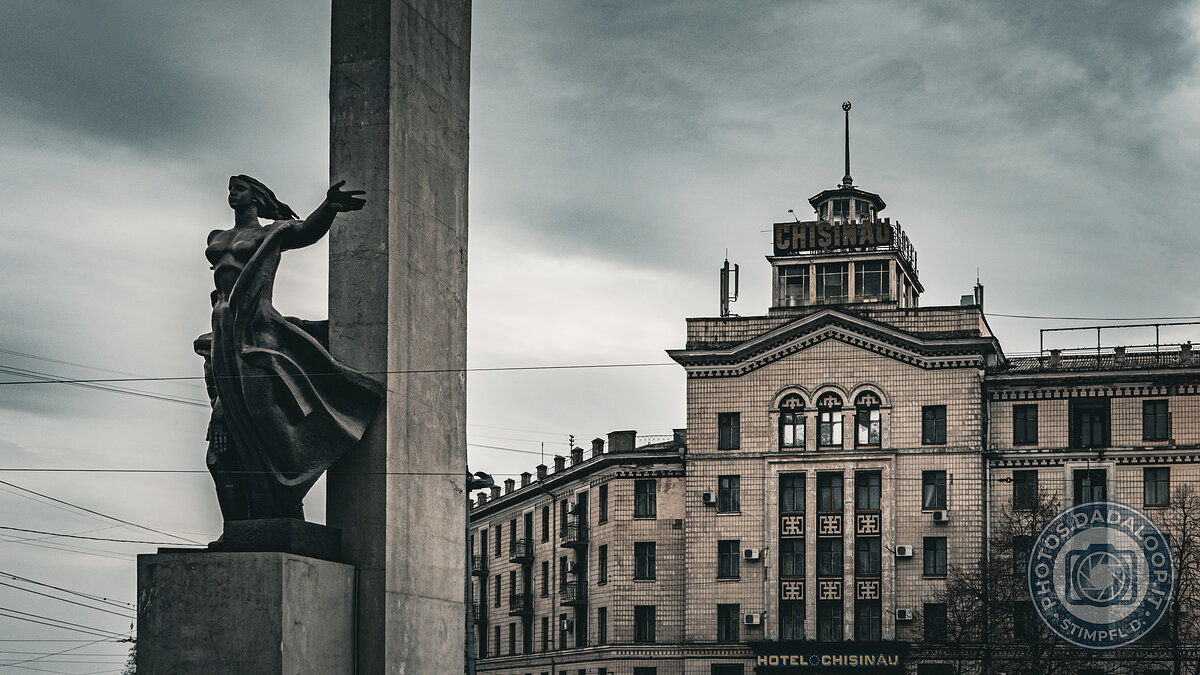
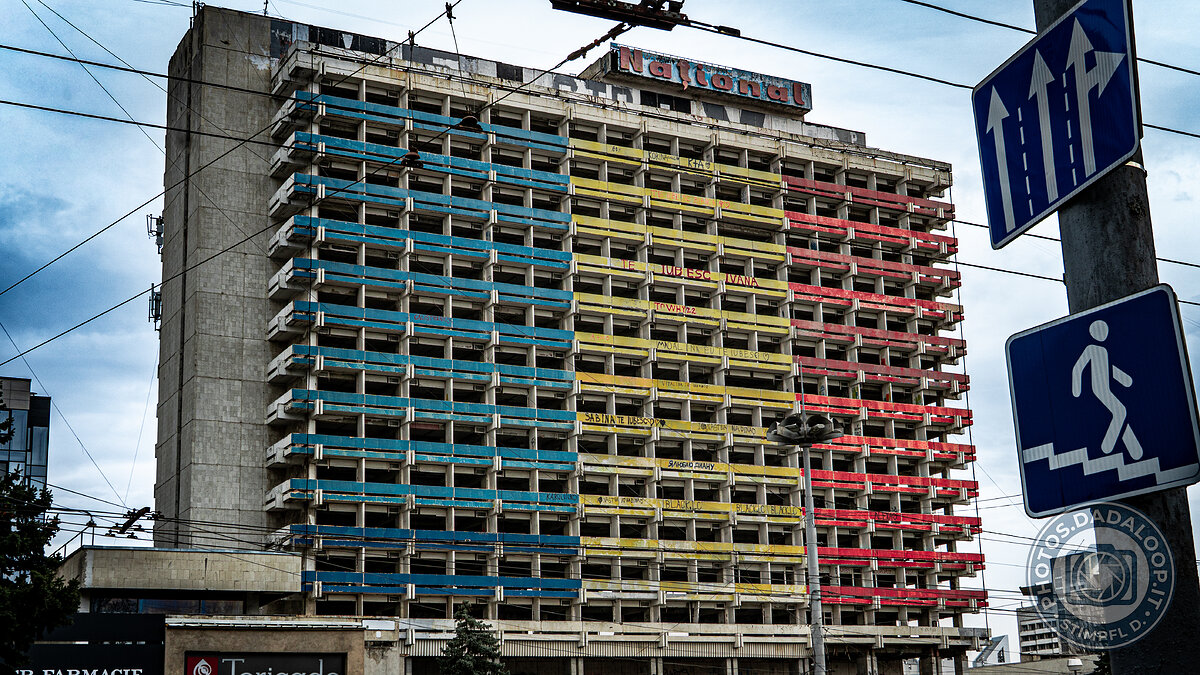
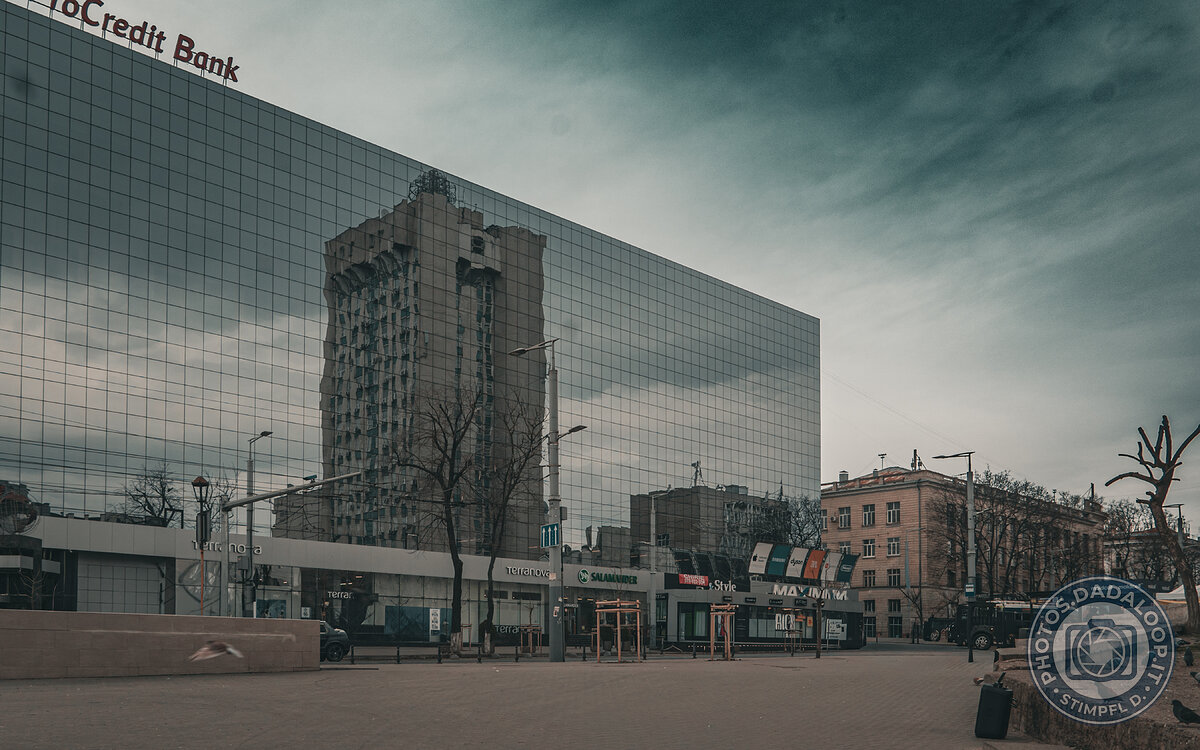
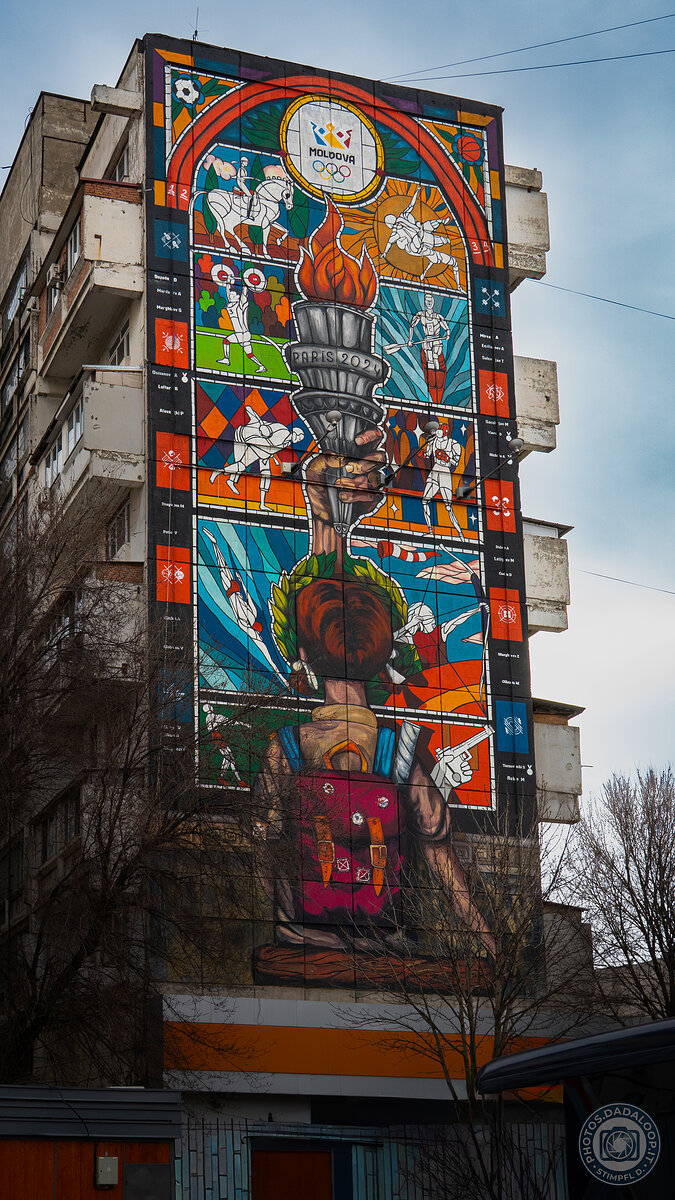
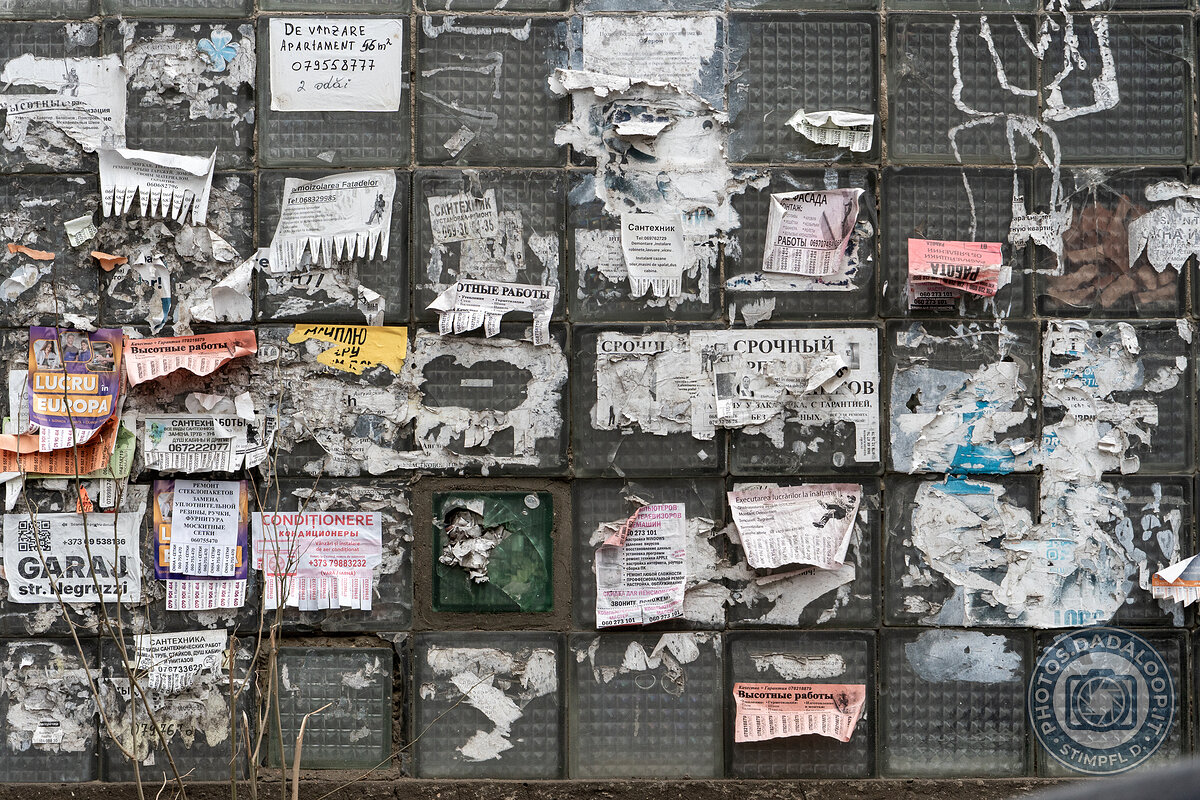
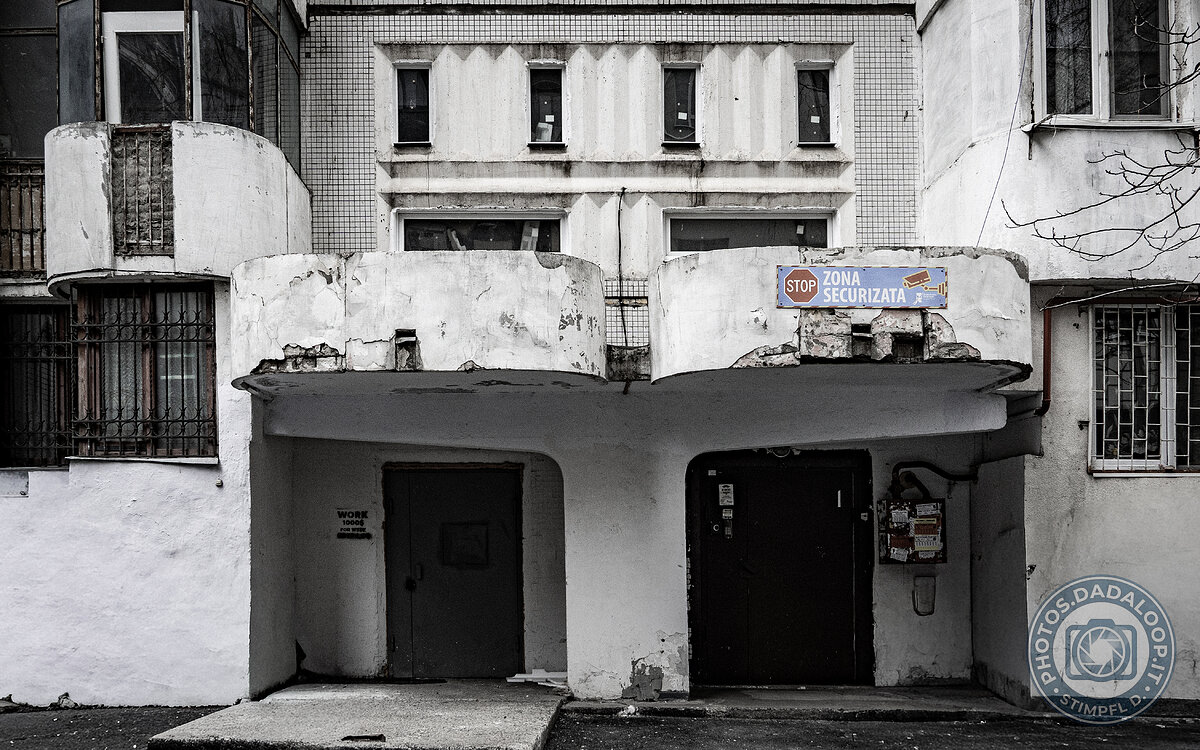
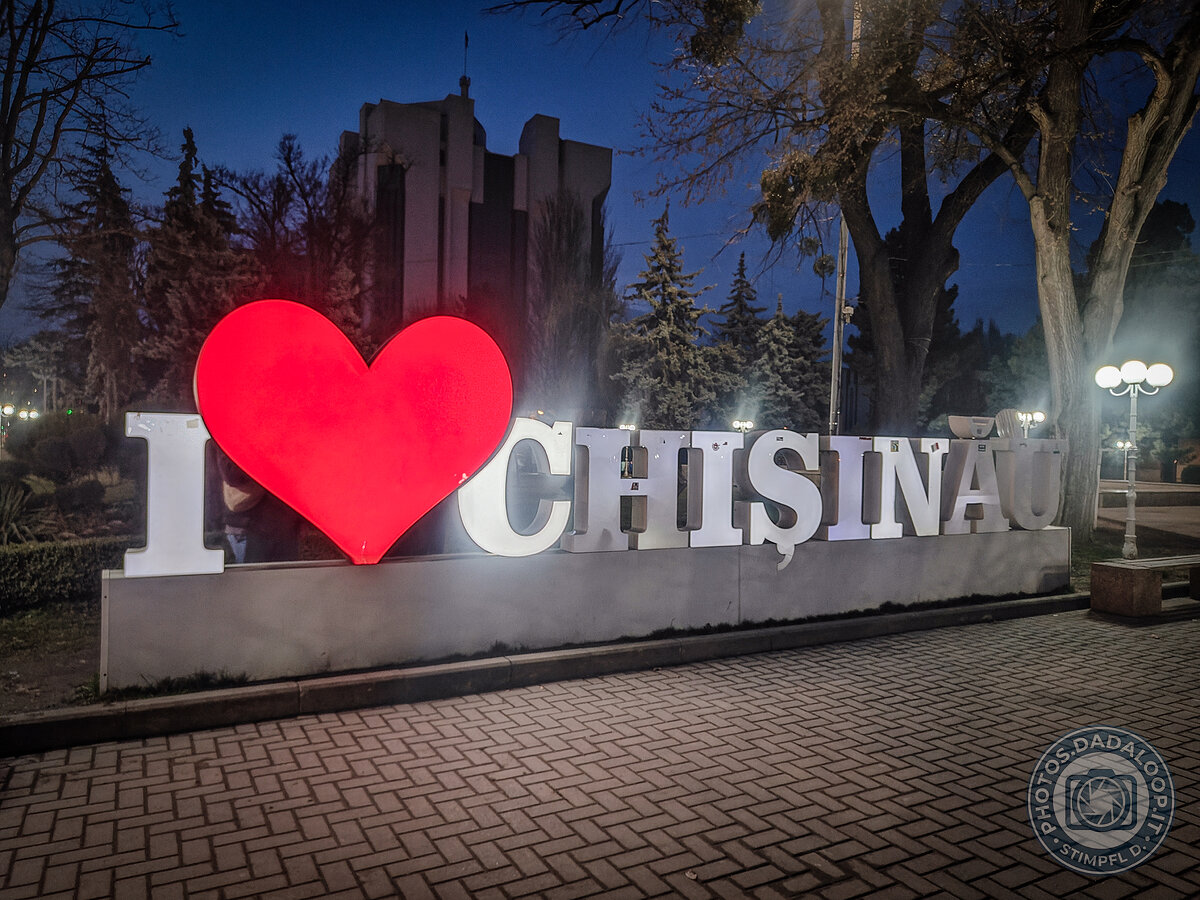
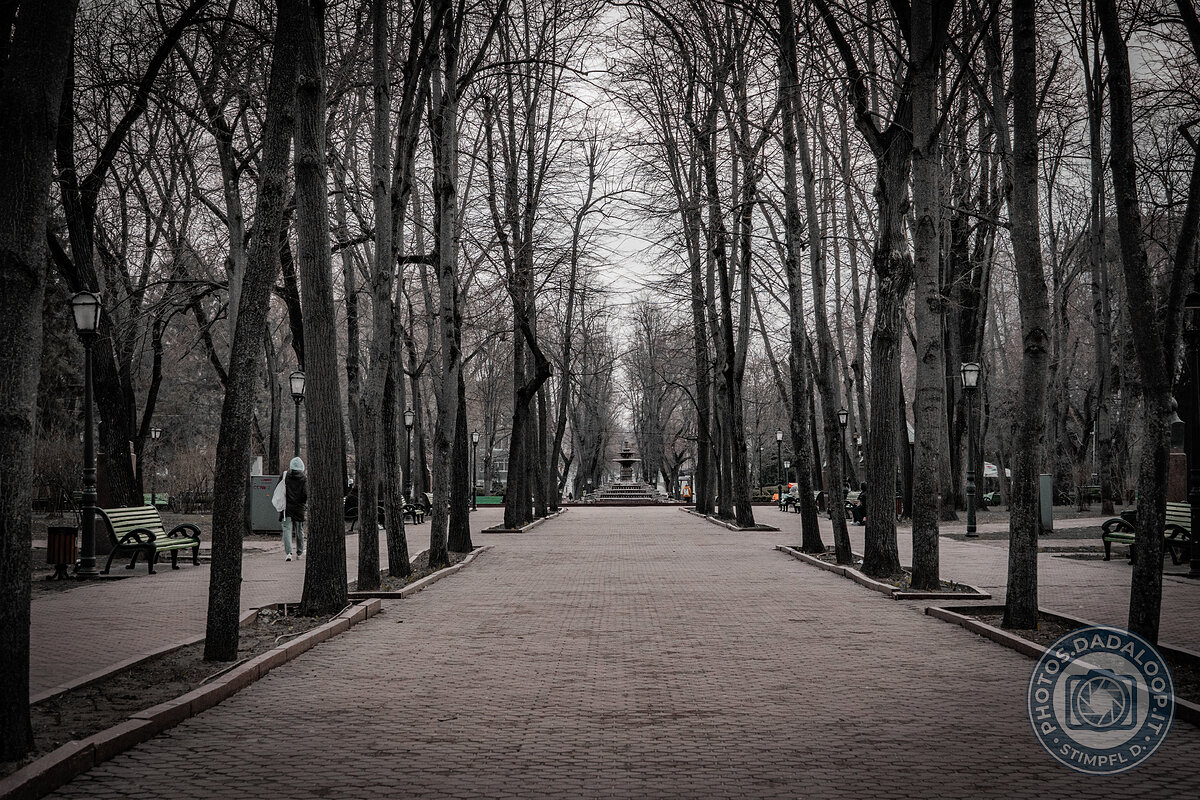
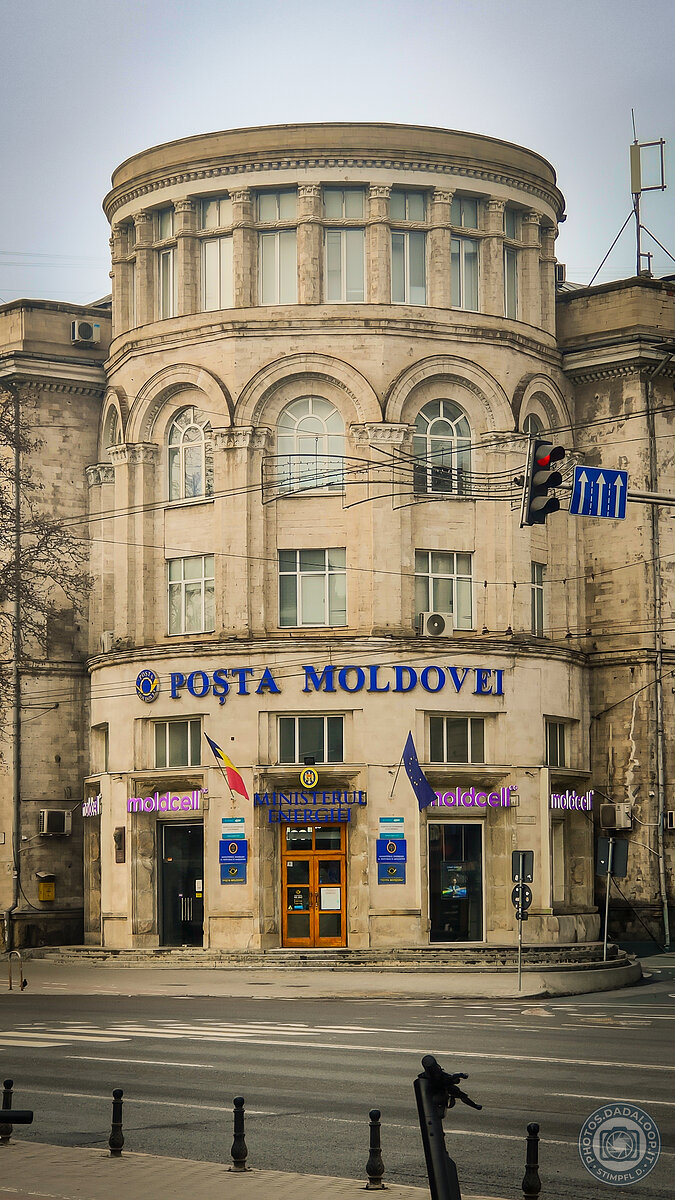
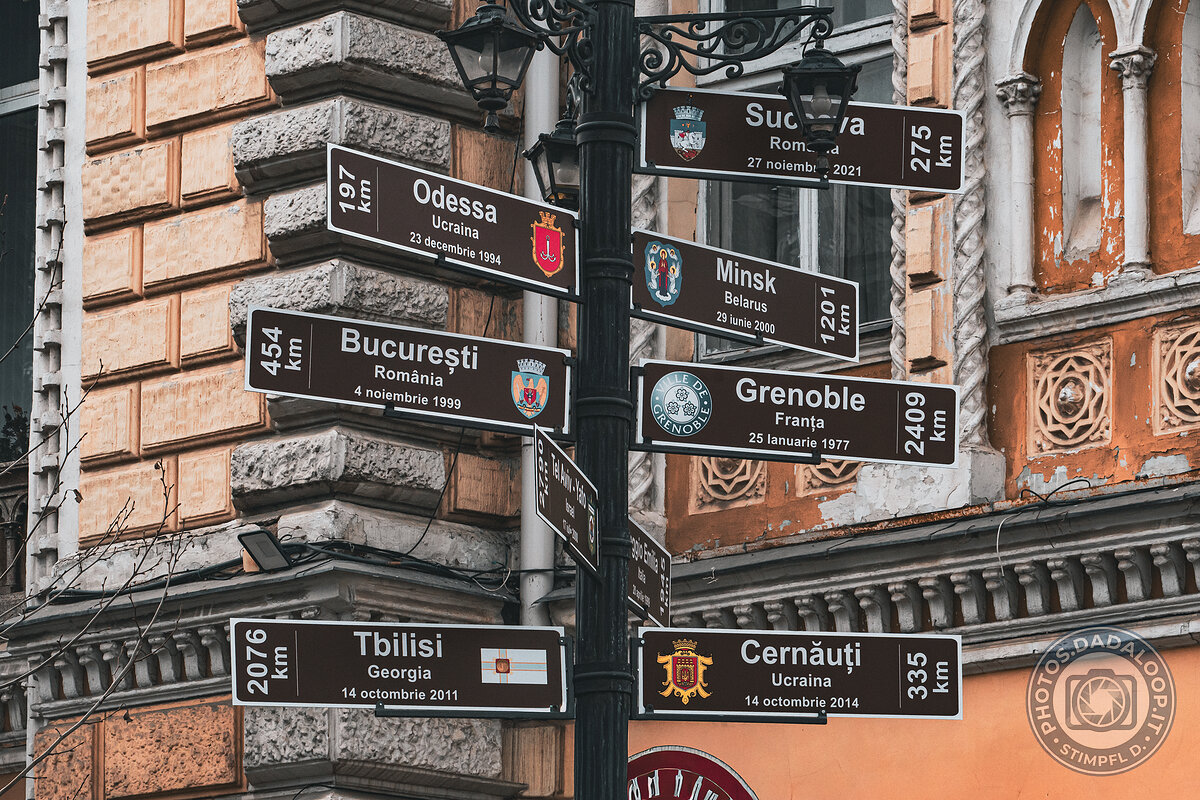
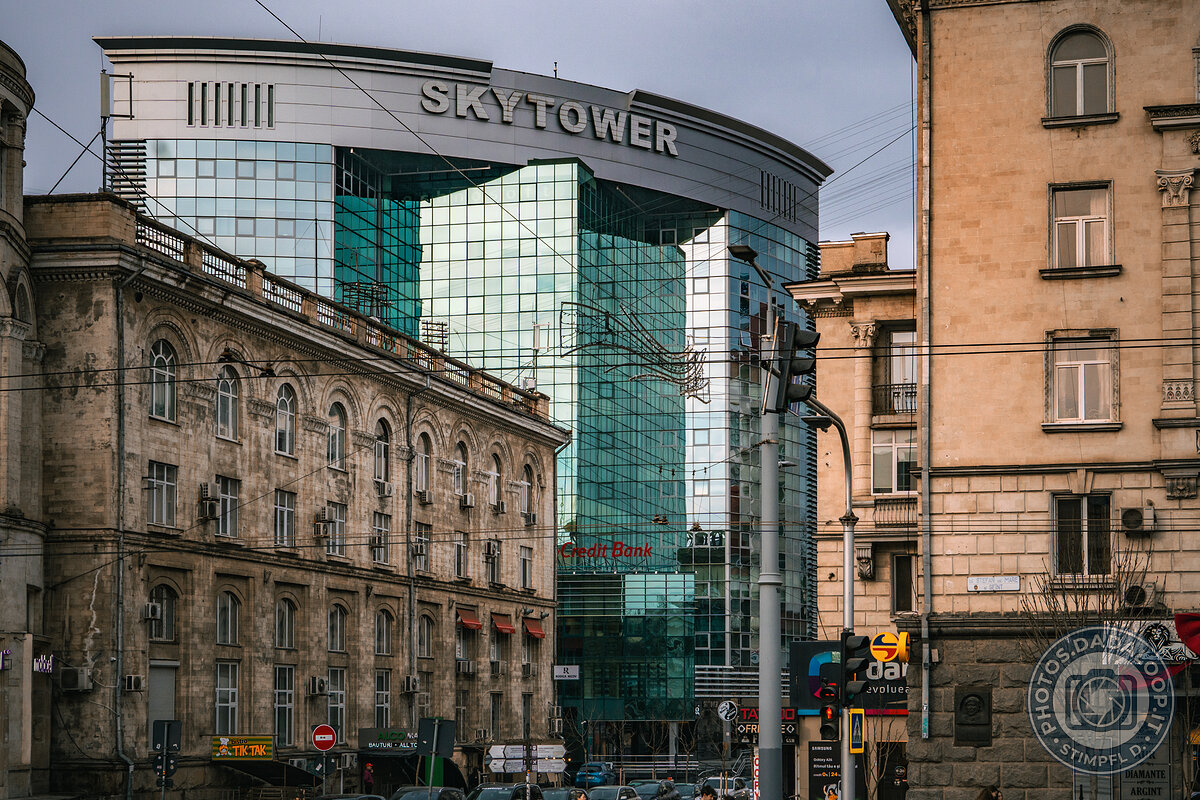
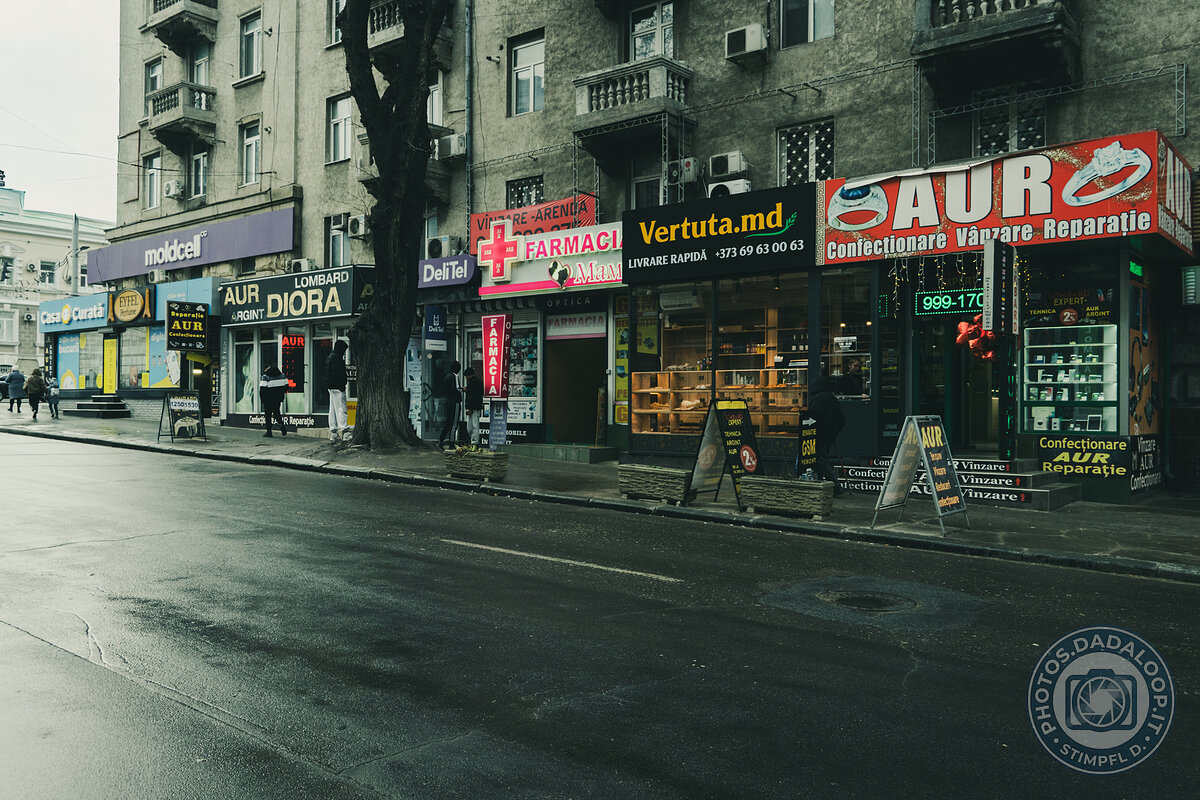
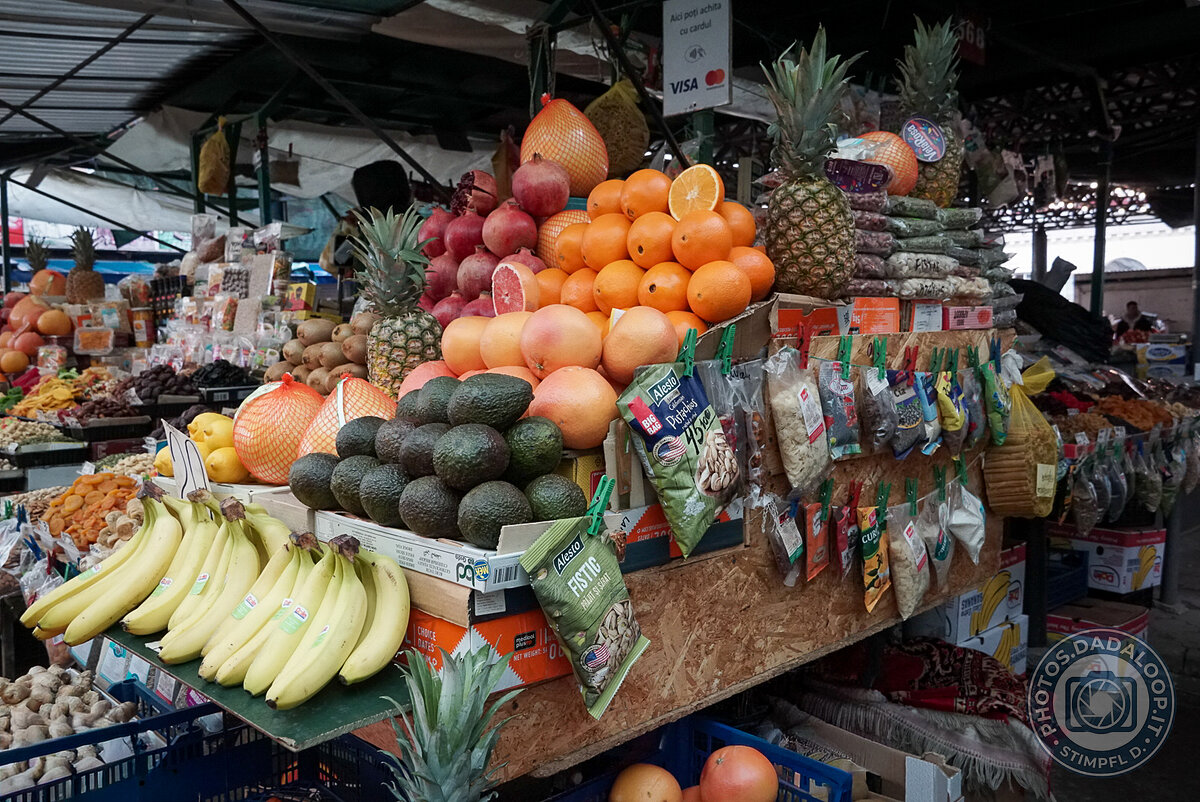

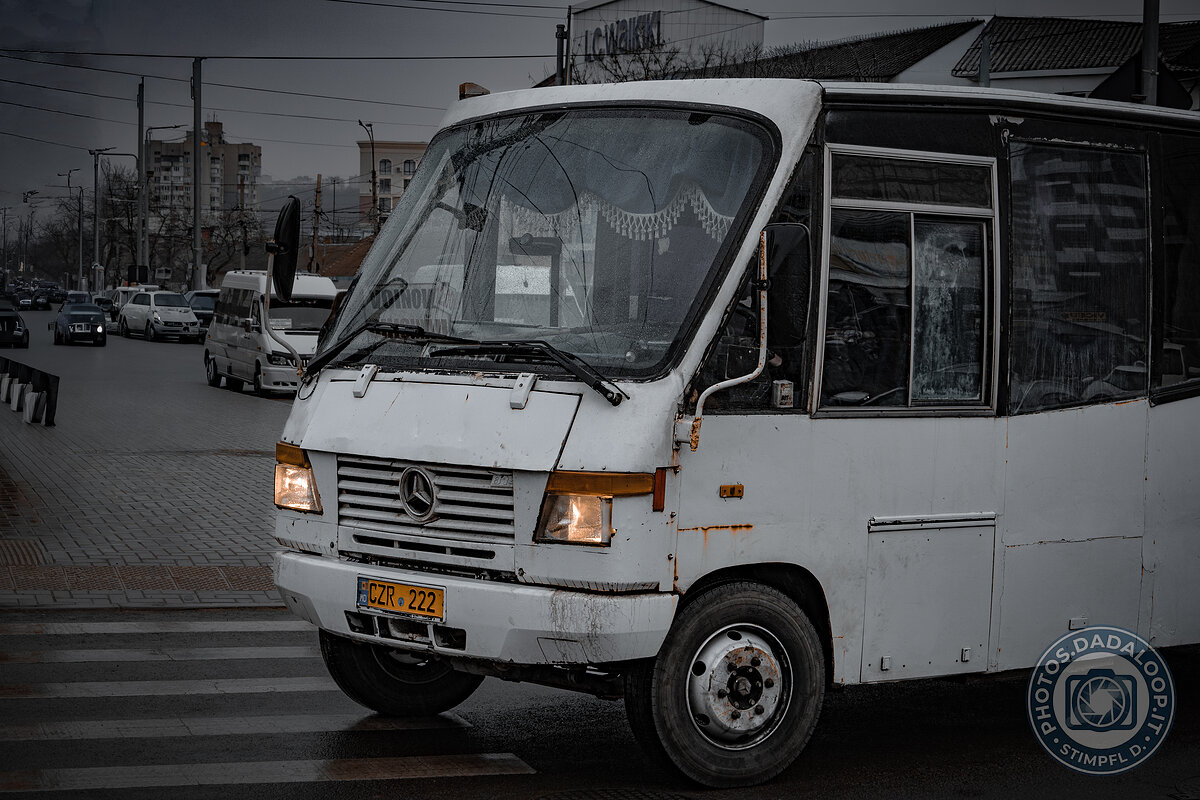
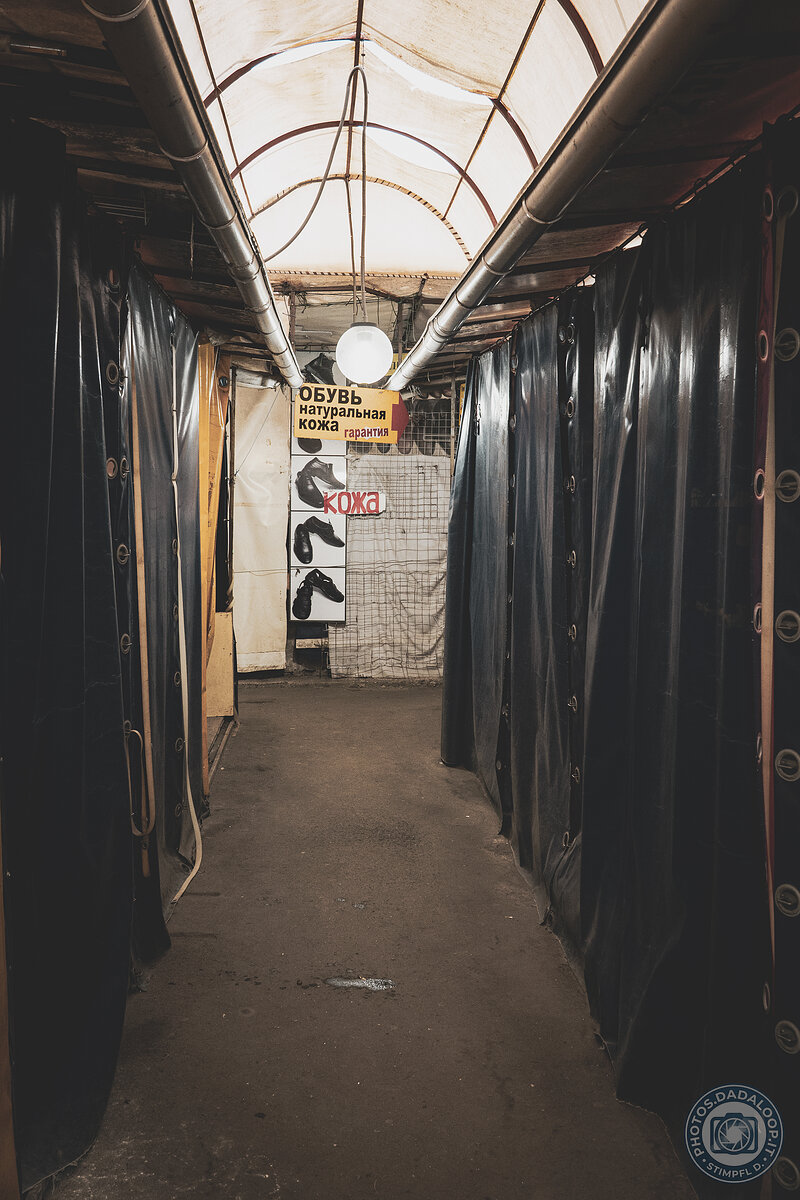
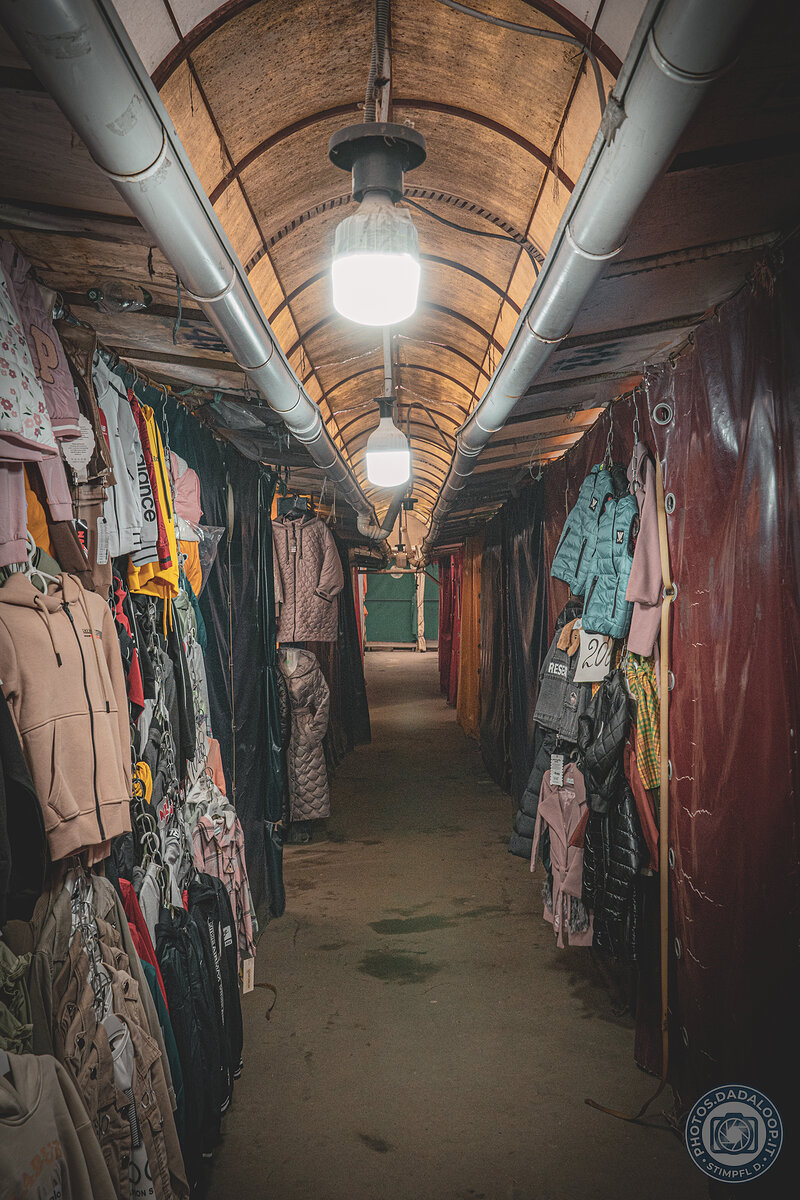
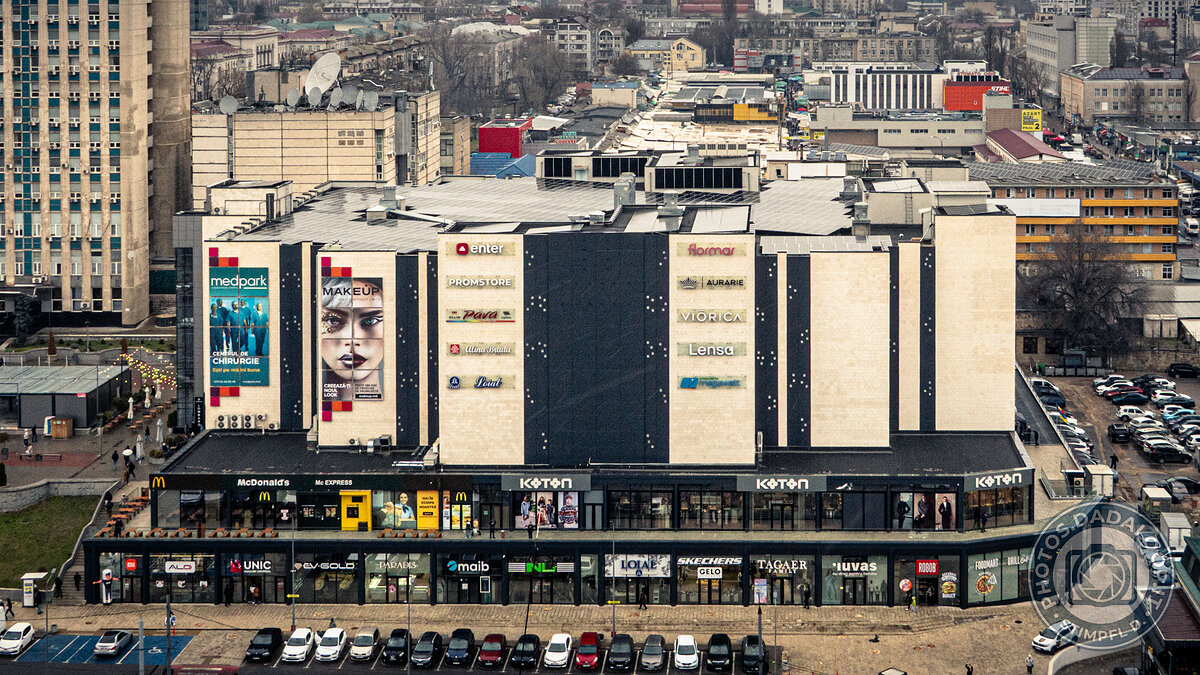
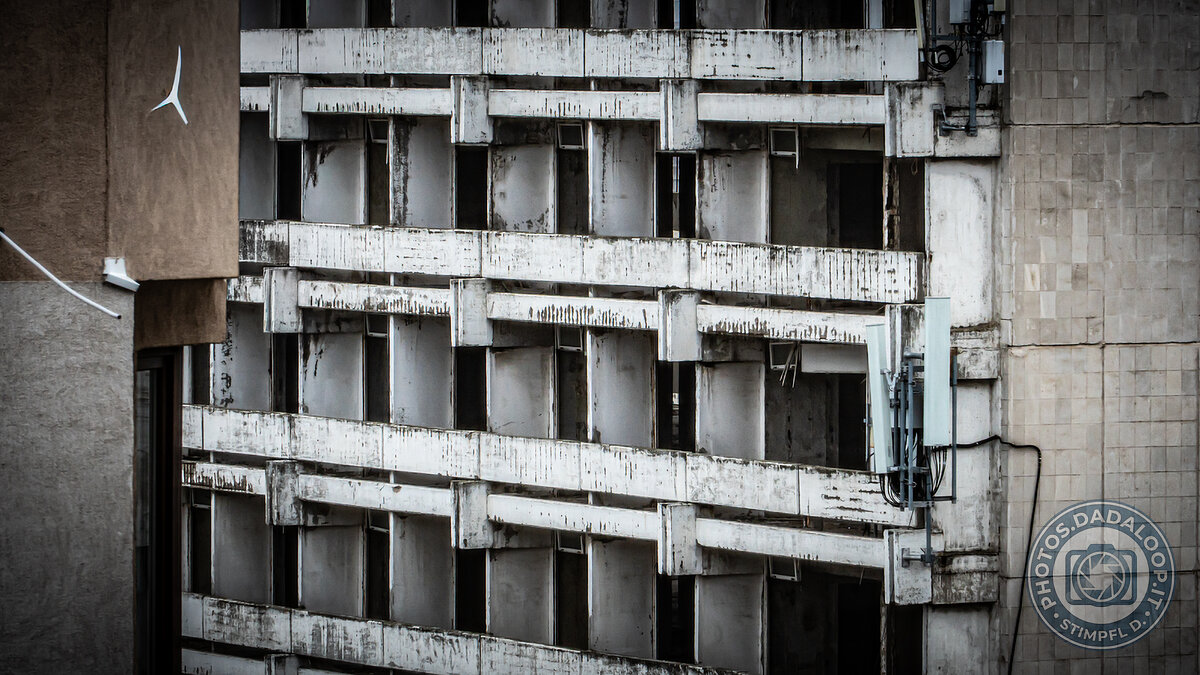
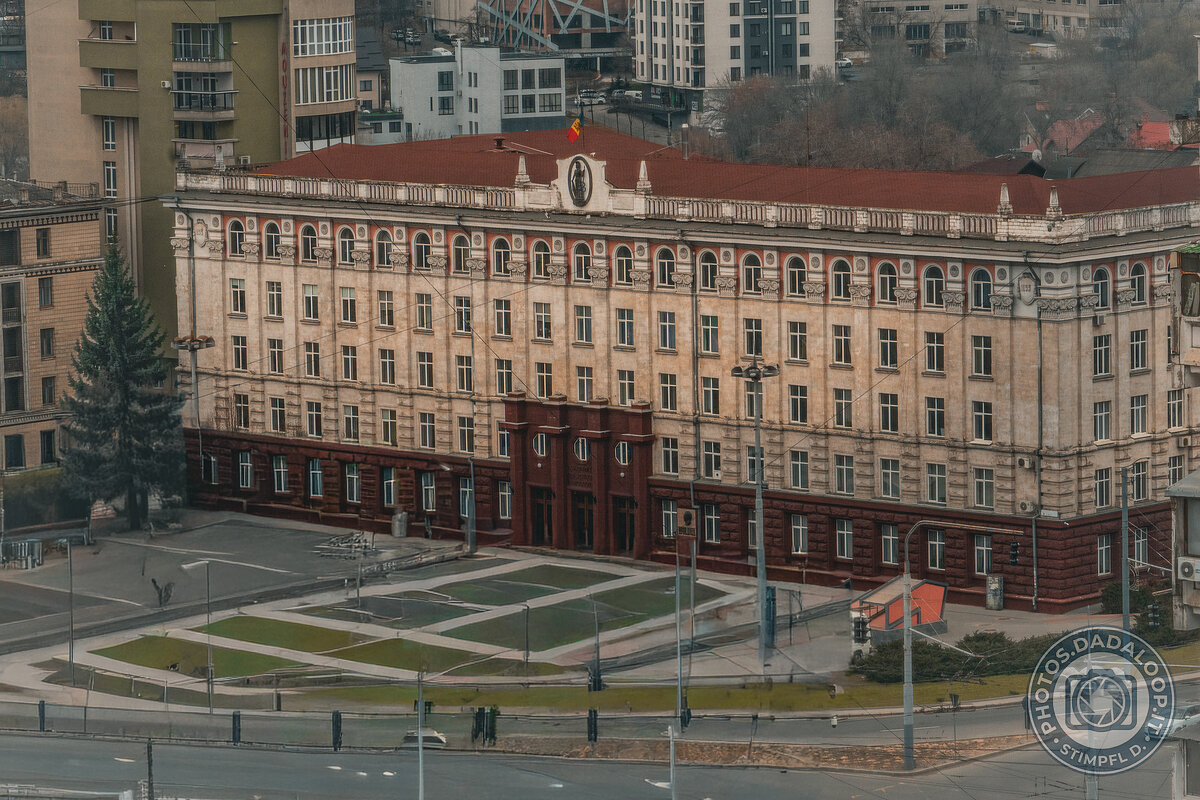
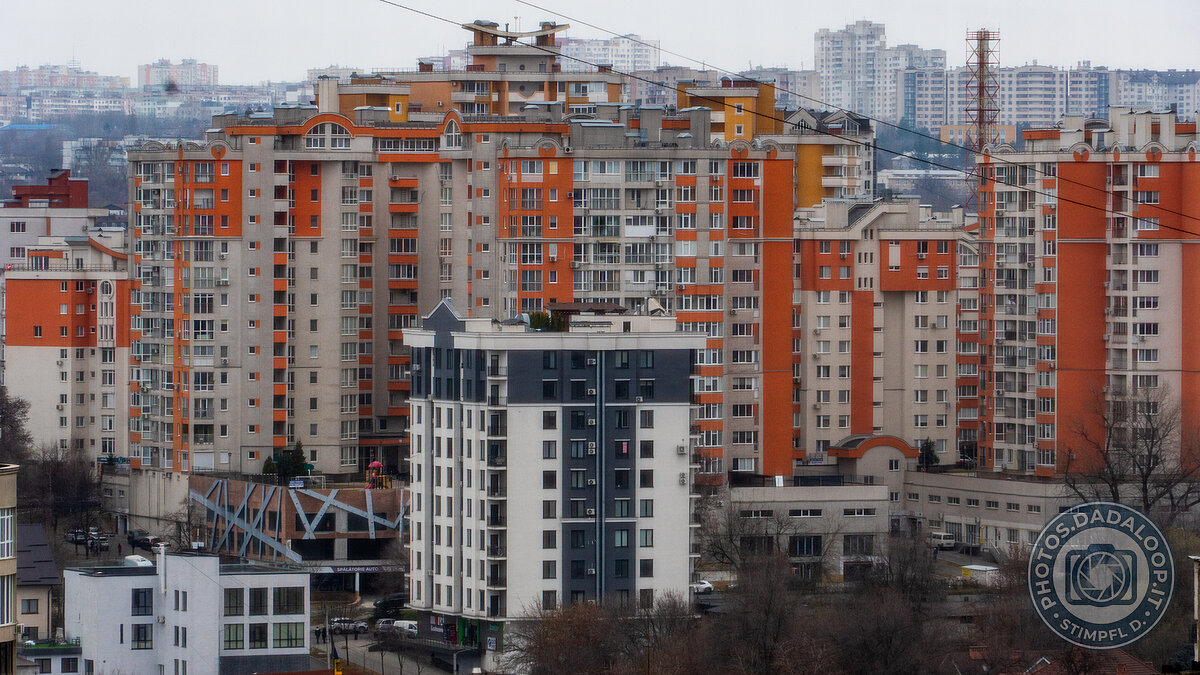
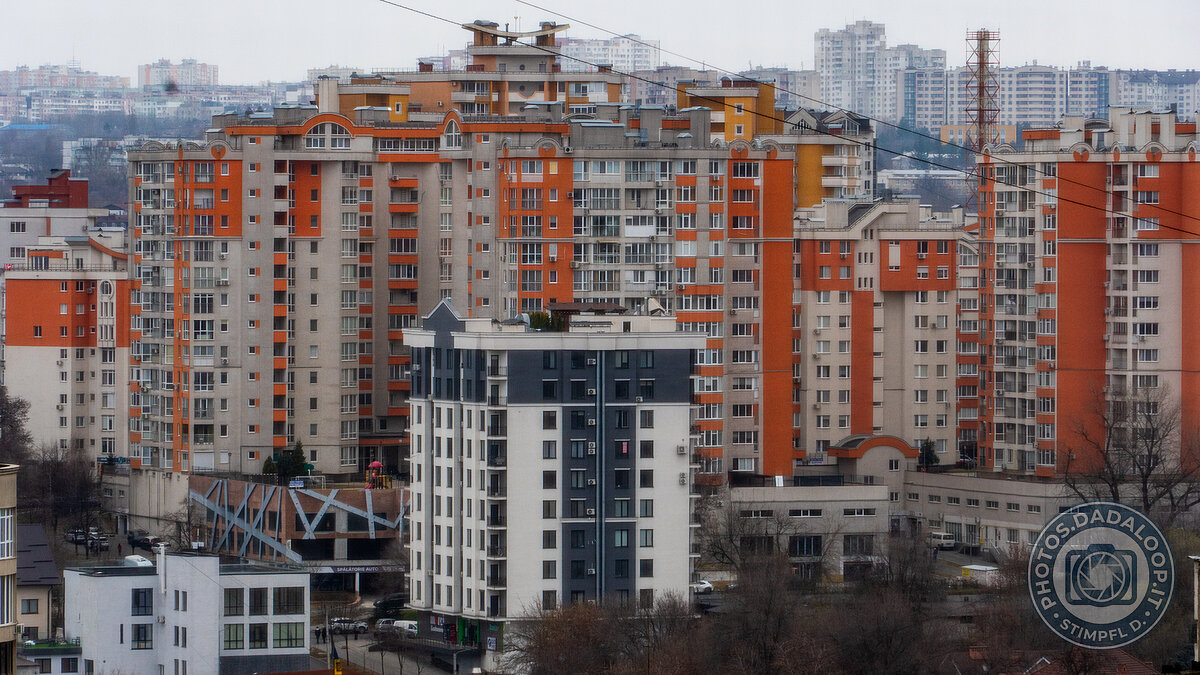
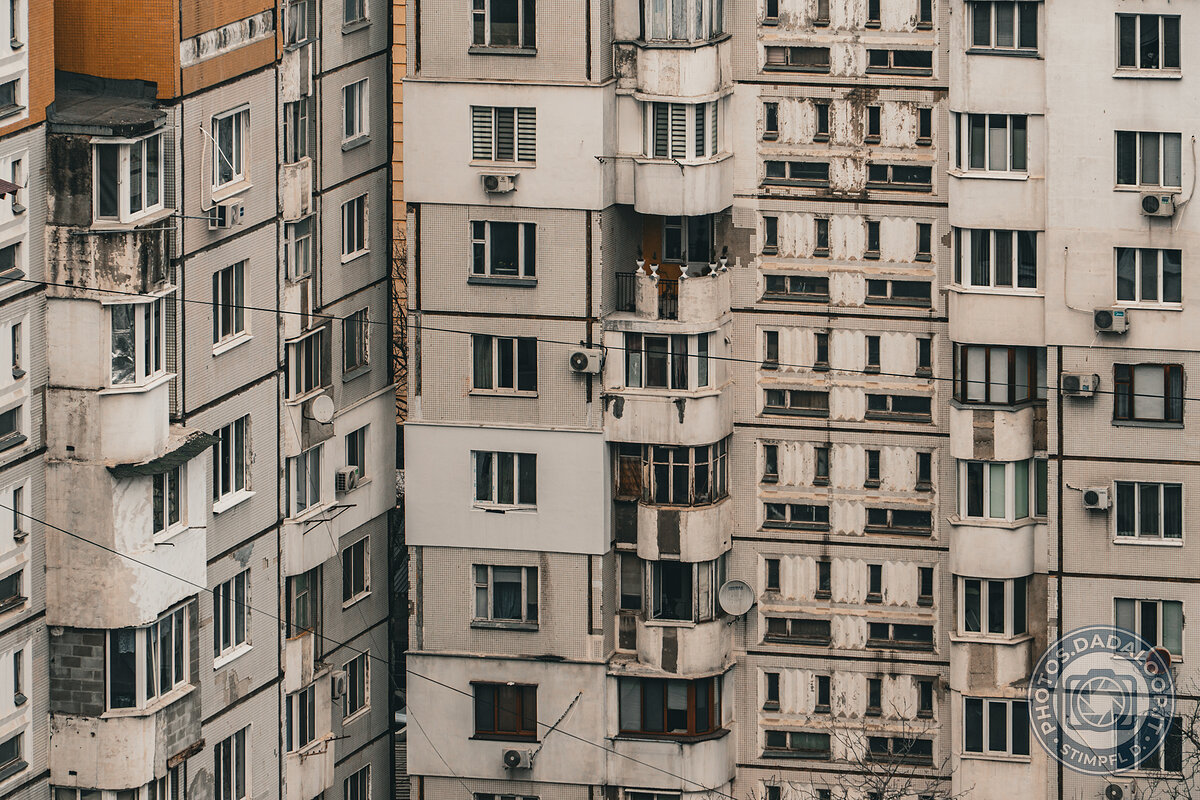
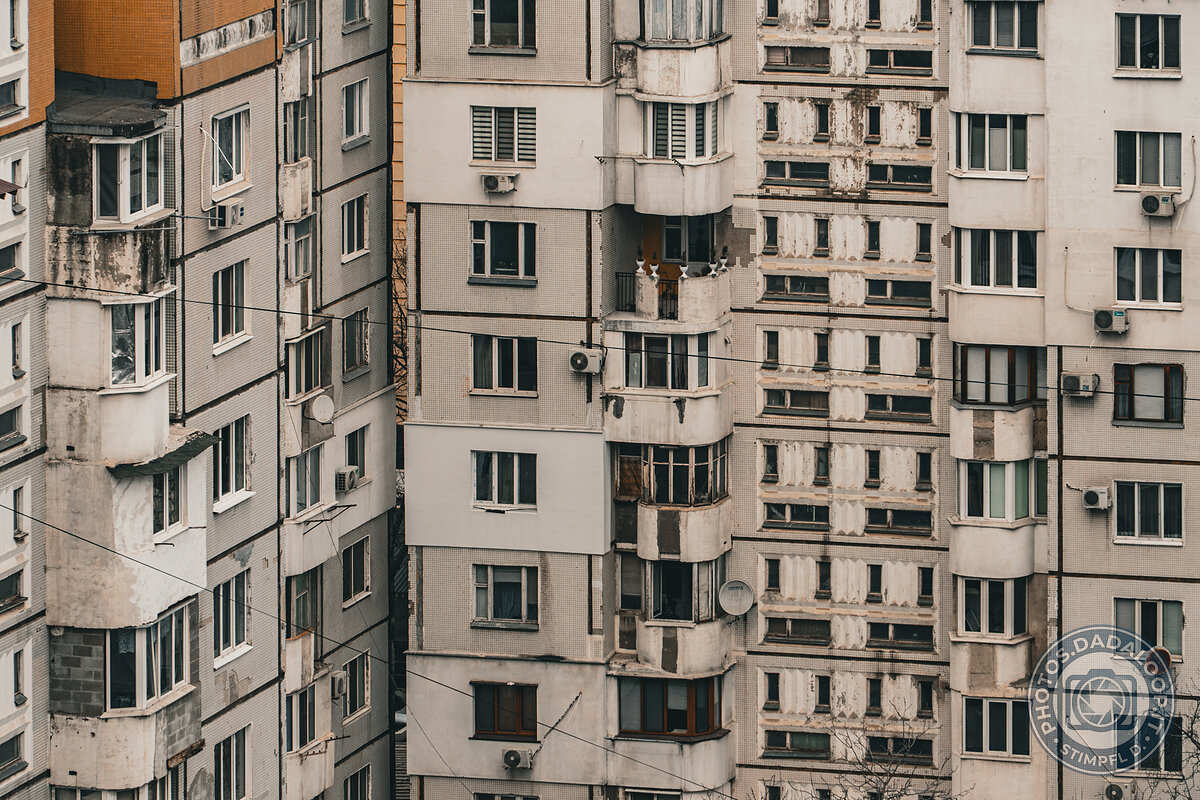
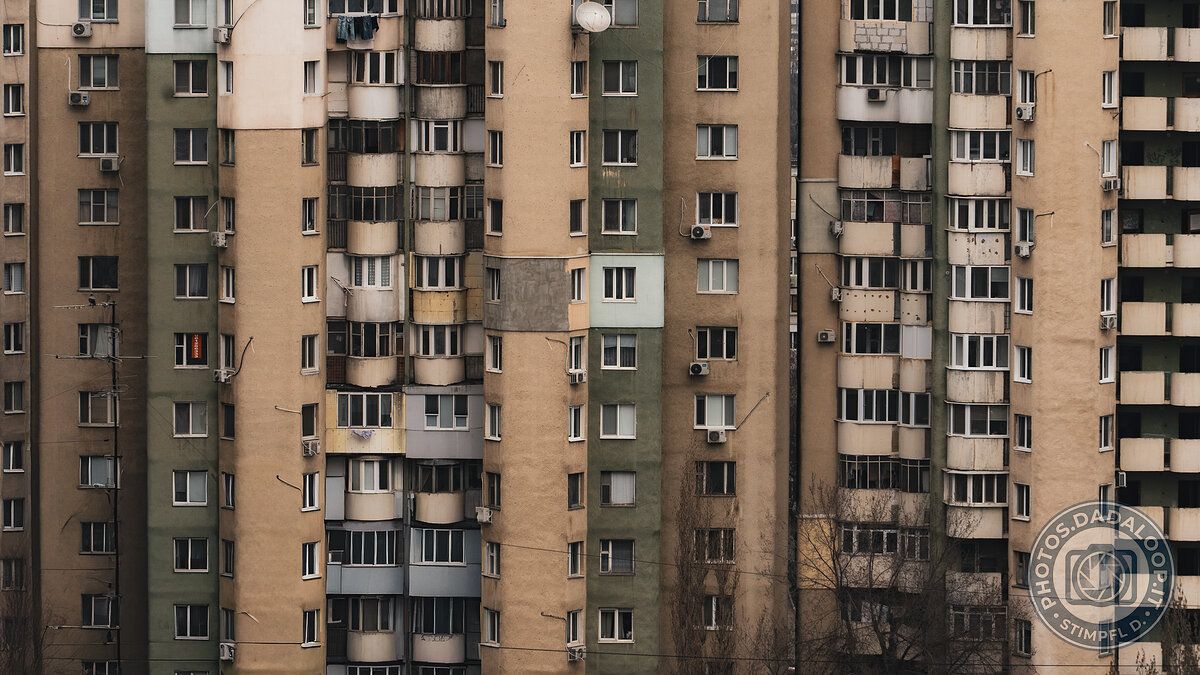
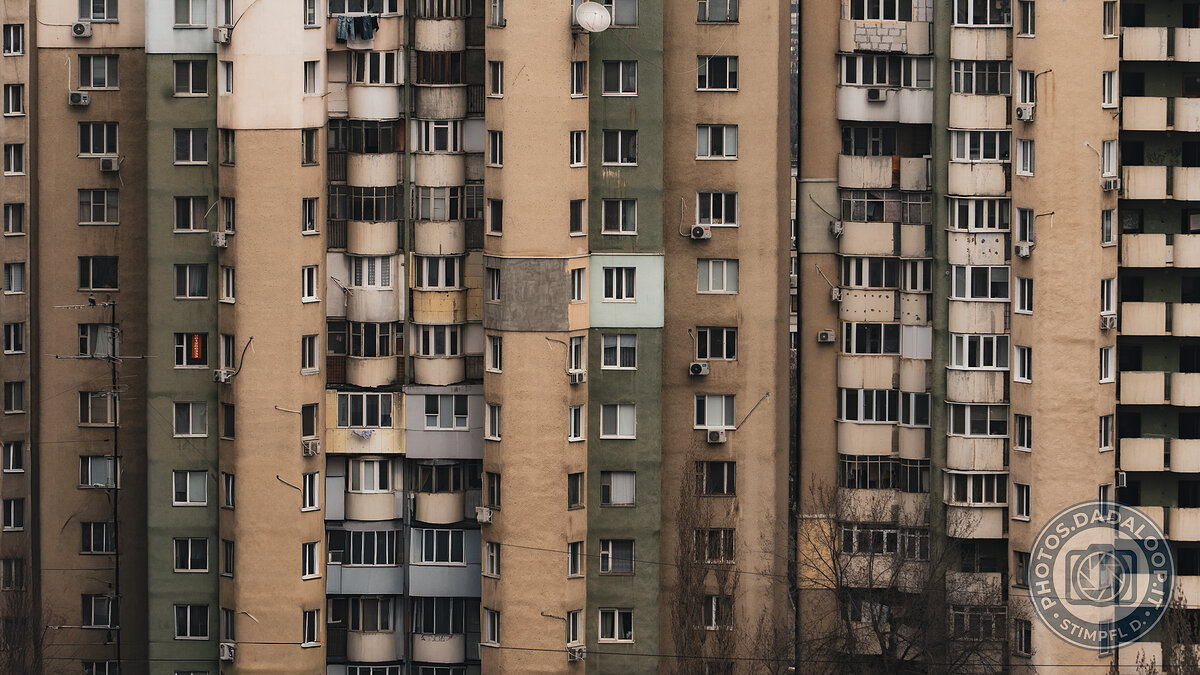
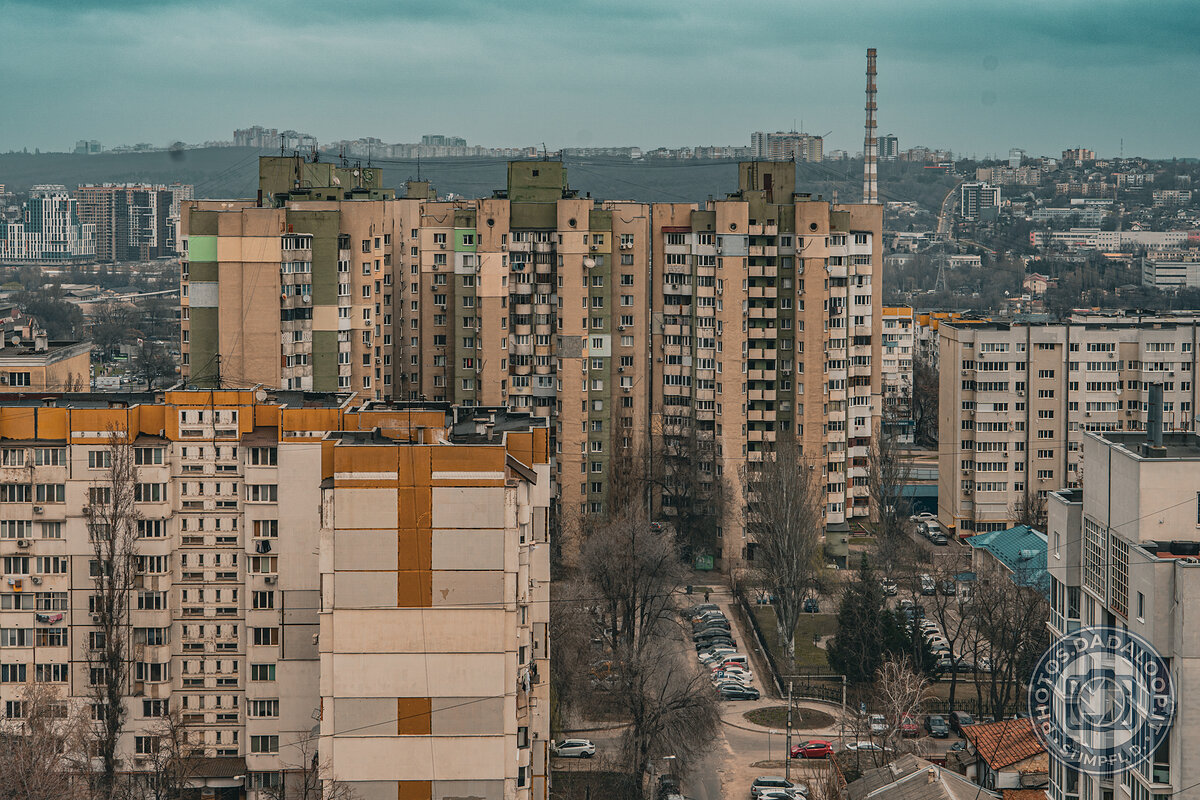
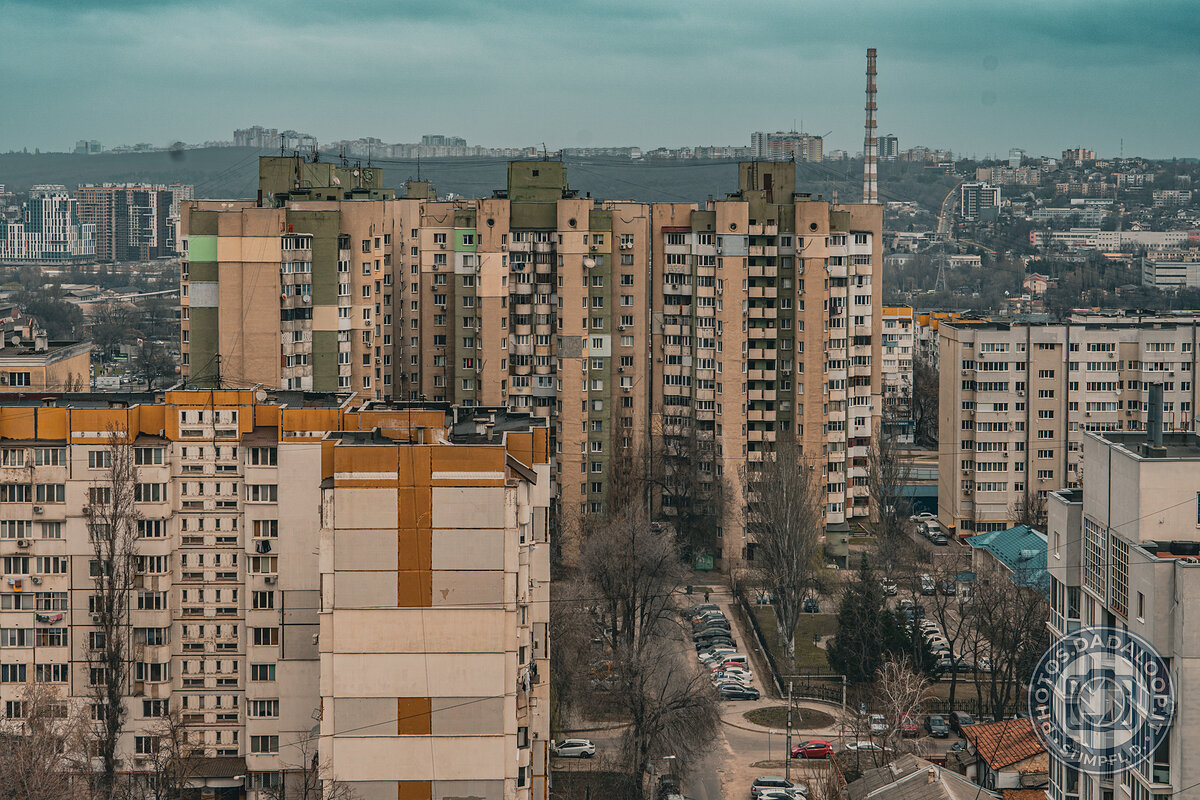
📍 Orheiul Vechi
Orheiul Vechi: Capturing Moldova's Timeless Heritage
Stepping into Orheiul Vechi felt like traversing a portal to another era. This isn't just a destination; it's a living museum, where the whispers of ancient civilizations blend seamlessly with the enduring spirit of Moldovan village life. The dramatic landscape, carved by the Răut River, cradles centuries of history, from the remnants of fortresses to the serene cave monastery carved directly into the limestone cliffs. I was immediately drawn to its raw authenticity, the way nature and human endeavor have intertwined over millennia. My goal was to capture the essence of this extraordinary place, to tell a story through light and composition. From the iconic traditional houses with their distinctive thatched roofs and vibrant details to the spiritual serenity of the rock-hewn church, every corner of Orheiul Vechi offered a profound visual narrative. It's a place that compels you to slow down, to observe, and to truly feel the weight of its past.
Photographic Insights from Orheiul Vechi
- For this immersive experience, my trusted Sony Alpha 6300 mirrorless camera was the perfect companion. Paired with the versatile E 18-135mm F3.5-5.6 OSS lens, I had the flexibility to capture both the sweeping panoramic views of the valley and the intricate, intimate details found within the traditional homes and the ancient Orheiul Vechi cave church. This combination allowed me to adapt quickly to the diverse scenes presented by this rich historical landscape.
- The lighting conditions at Orheiul Vechi were as varied as the landscape itself. Outdoors, the open Moldovan skies provided beautiful, often dramatic natural light, perfect for highlighting the contours of the valley and the exterior of the traditional buildings. However, venturing inside the rustic homes and especially within the dimly lit rock-hewn monastery, I faced significant low-light challenges. I embraced these conditions, utilizing the camera's impressive low-light capabilities and pushing the ISO range from 100 up to 6400 to maintain the authentic, atmospheric mood without resorting to artificial light.
- Orheiul Vechi is a treasure trove of historical and cultural significance. It’s a site where Dacian, Tatar, and medieval settlements have left their mark, culminating in a striking blend of natural beauty and human heritage. The traditional Moldovan architecture, with its rustic charm and vibrant accents, stands as a testament to a resilient culture. Exploring the ancient fortress vestiges and the spiritual heart of the cave monastery offered a deep connection to the layers of history embedded in this unique geographical setting.
- My photographic style at Orheiul Vechi was deeply rooted in documentary and evocative storytelling. I aimed to create images that conveyed the timelessness of the place, focusing on textures, natural light, and the quiet dignity of the traditional way of life. This involved capturing wide, expansive shots of the dramatic river bends and cliffs, as well as intimate close-ups of traditional Moldovan clothes, ancient weaving looms, and the simple, functional interiors of the houses, all designed to transport the viewer directly into the heart of this historical landscape.
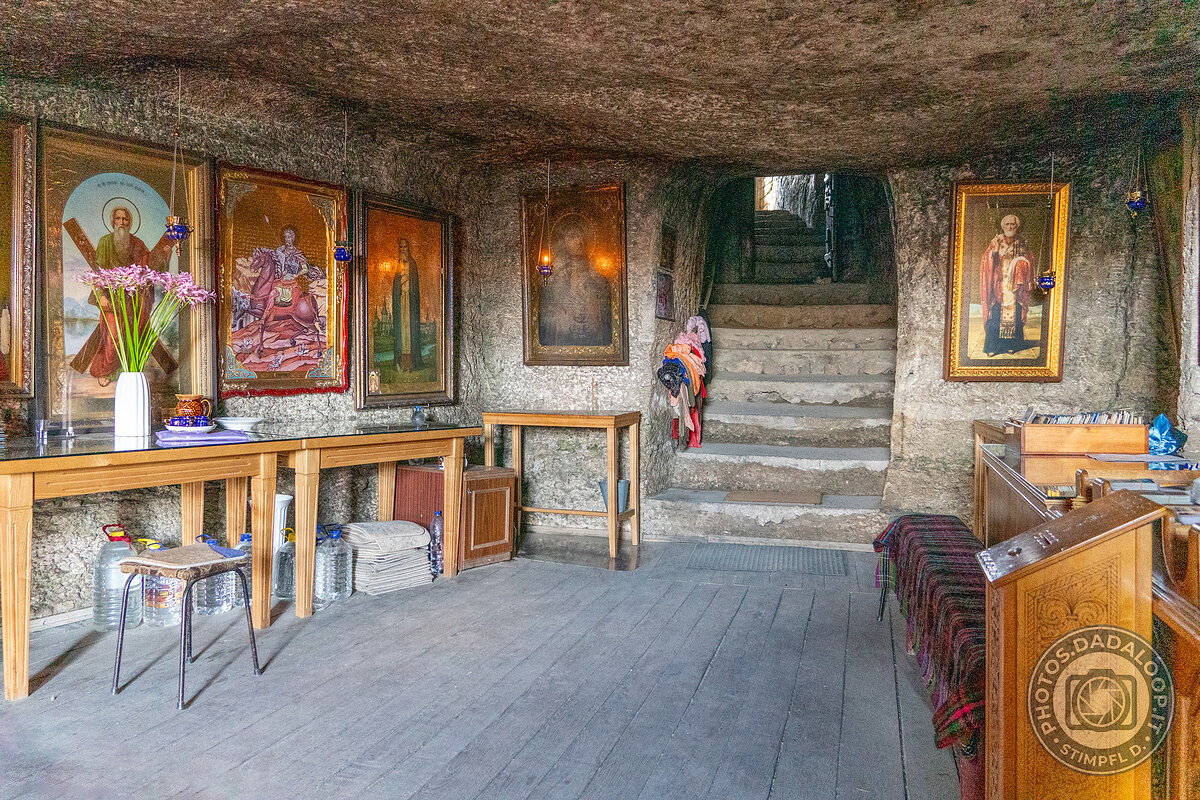
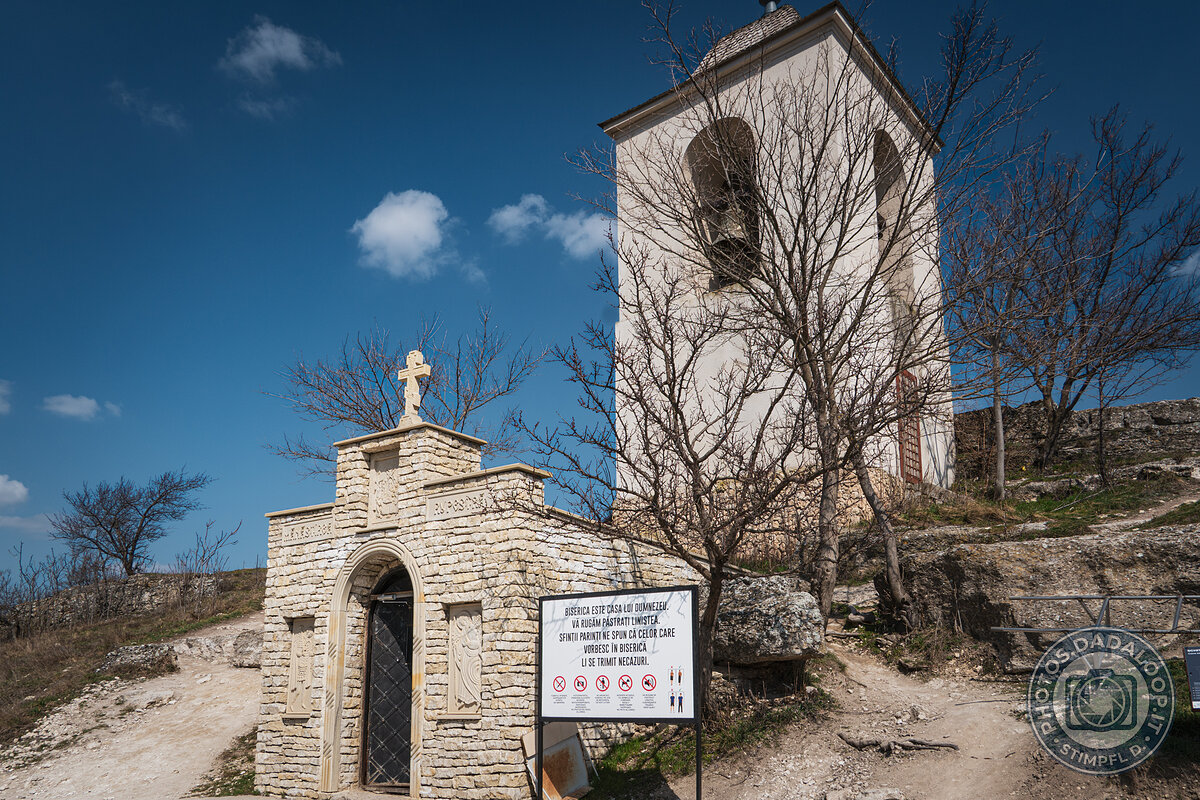
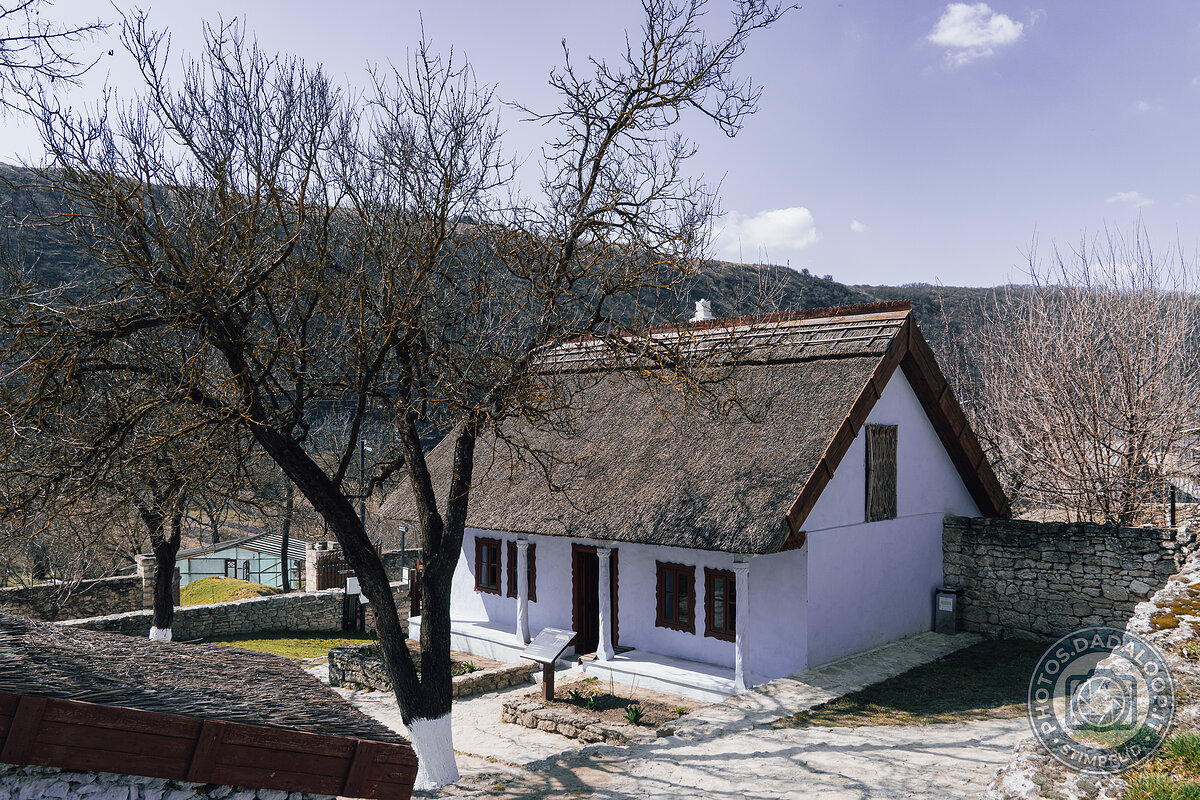
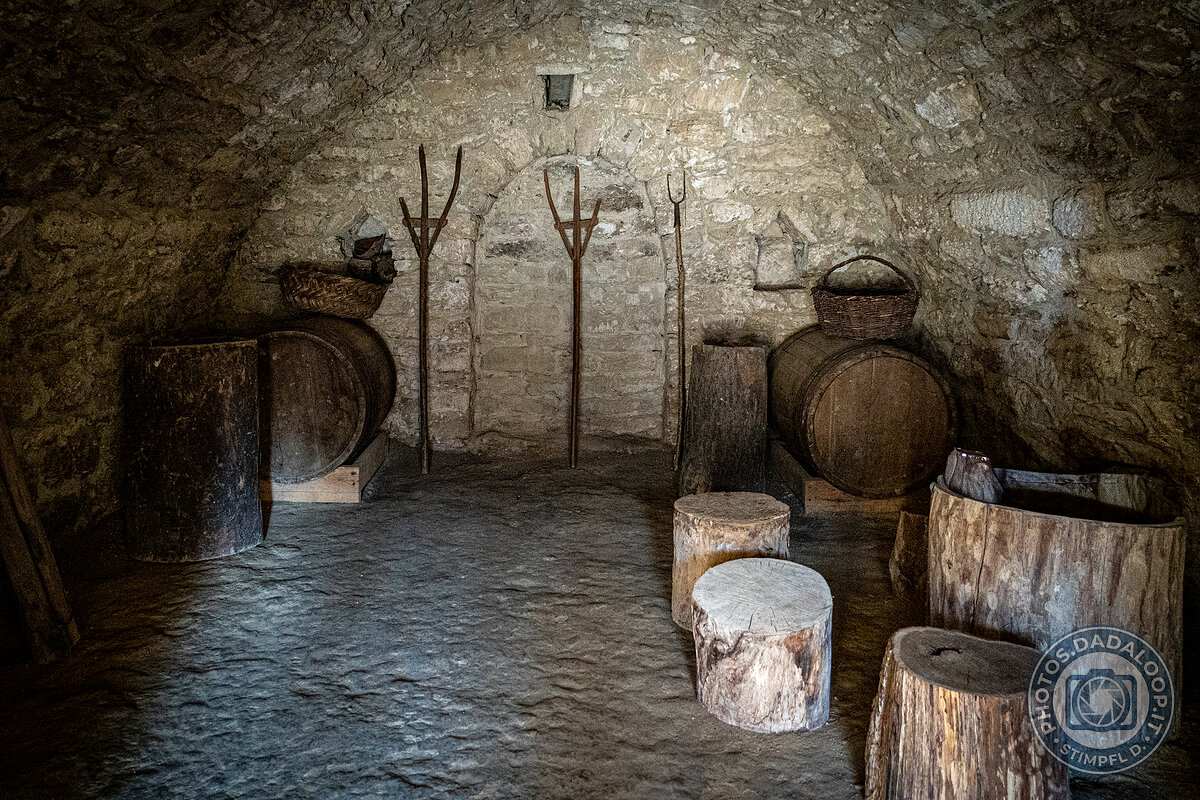
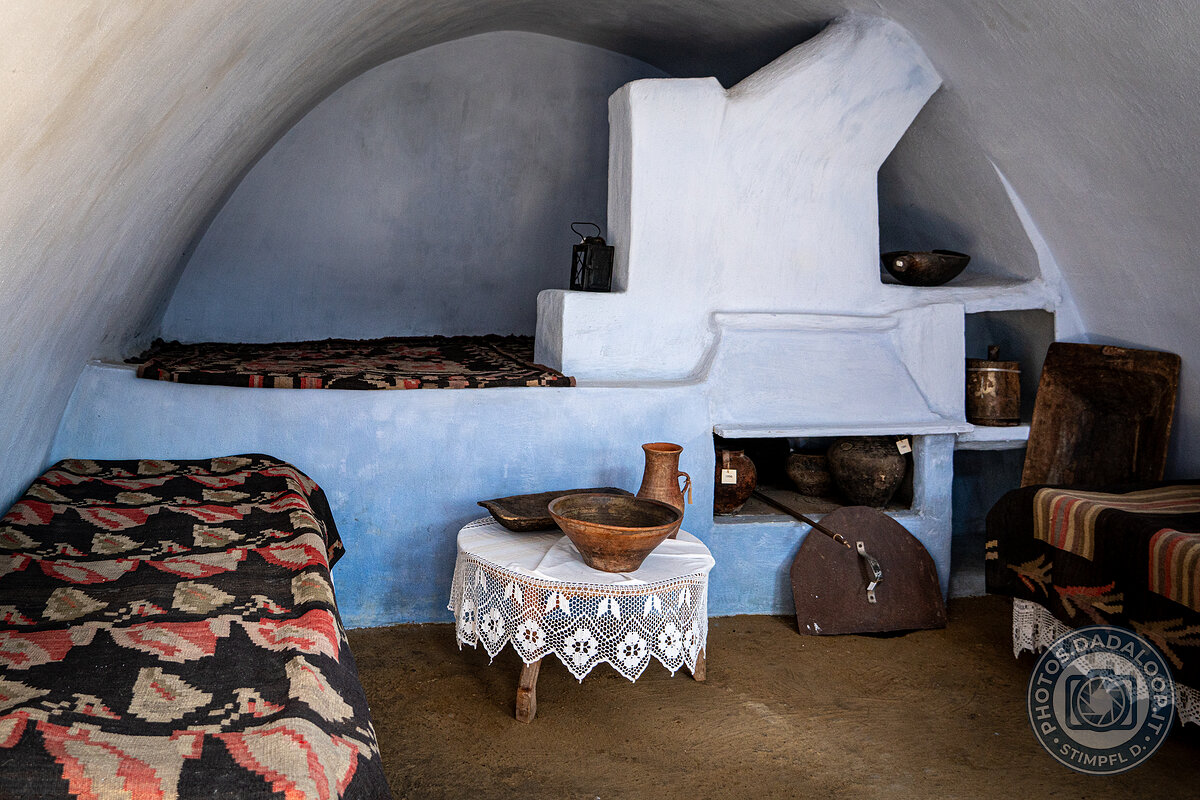
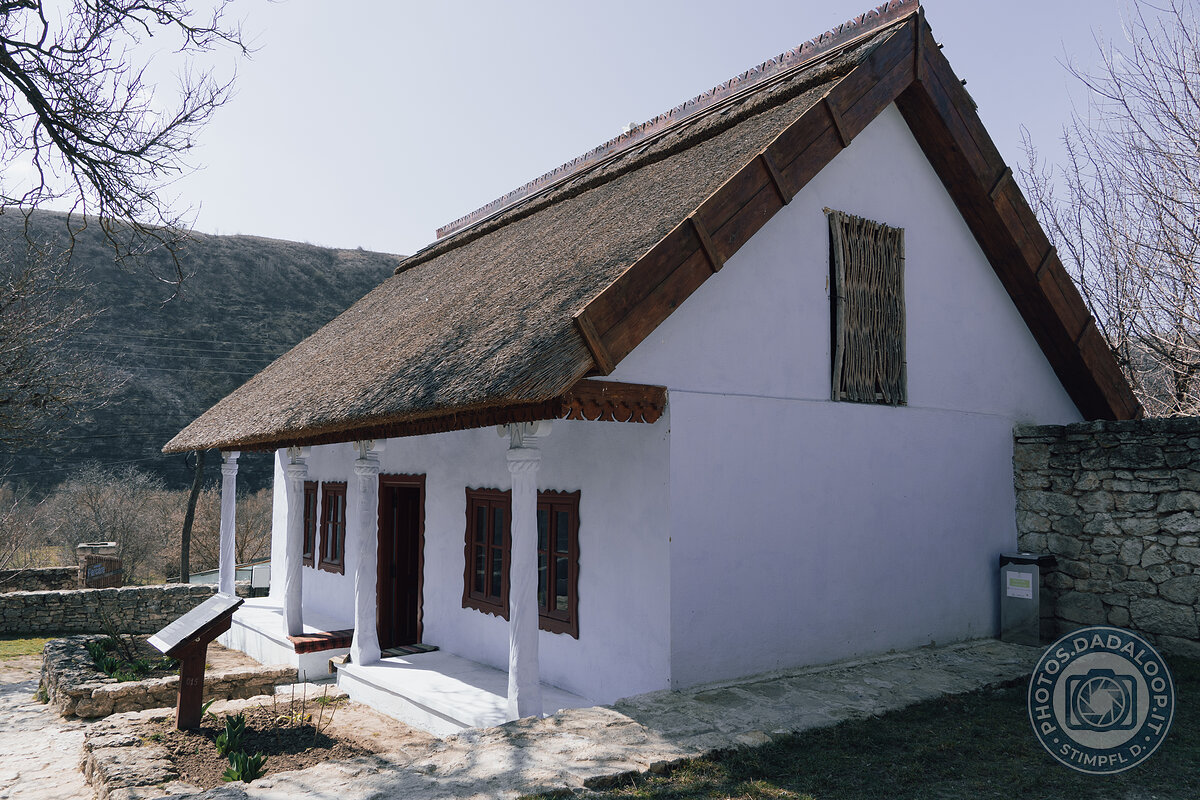
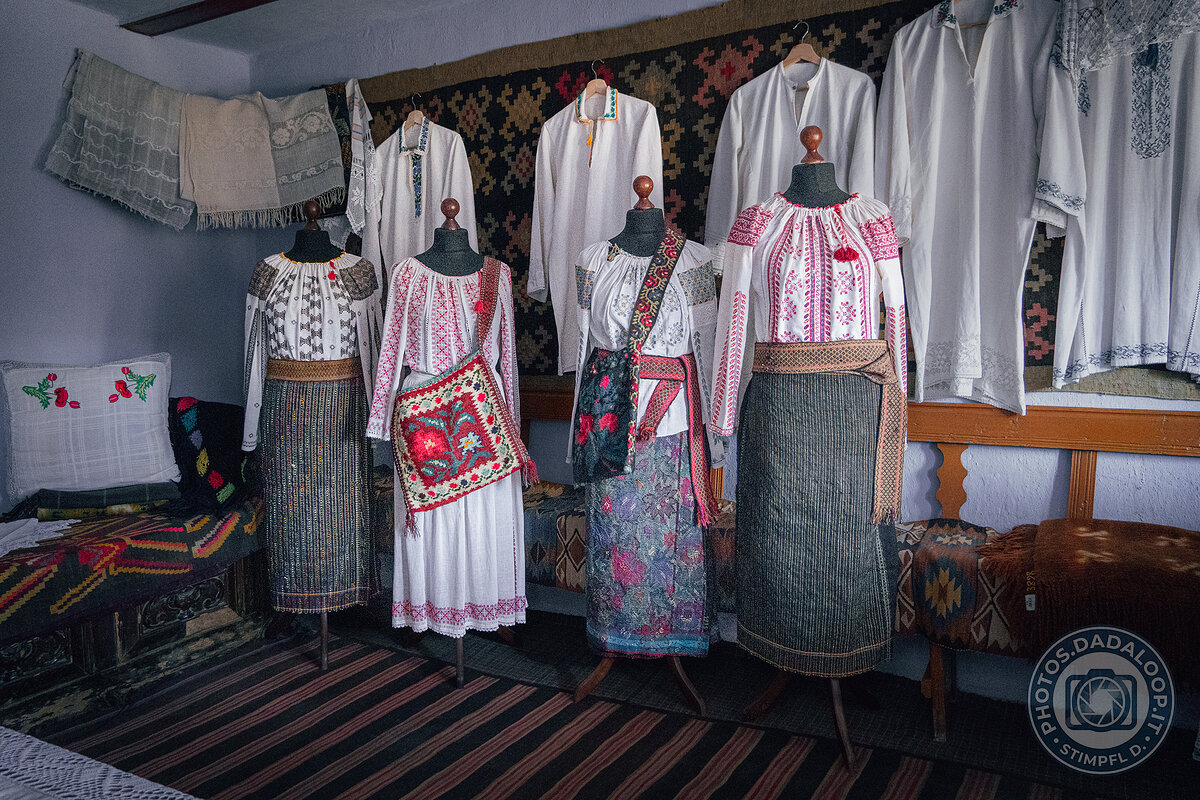
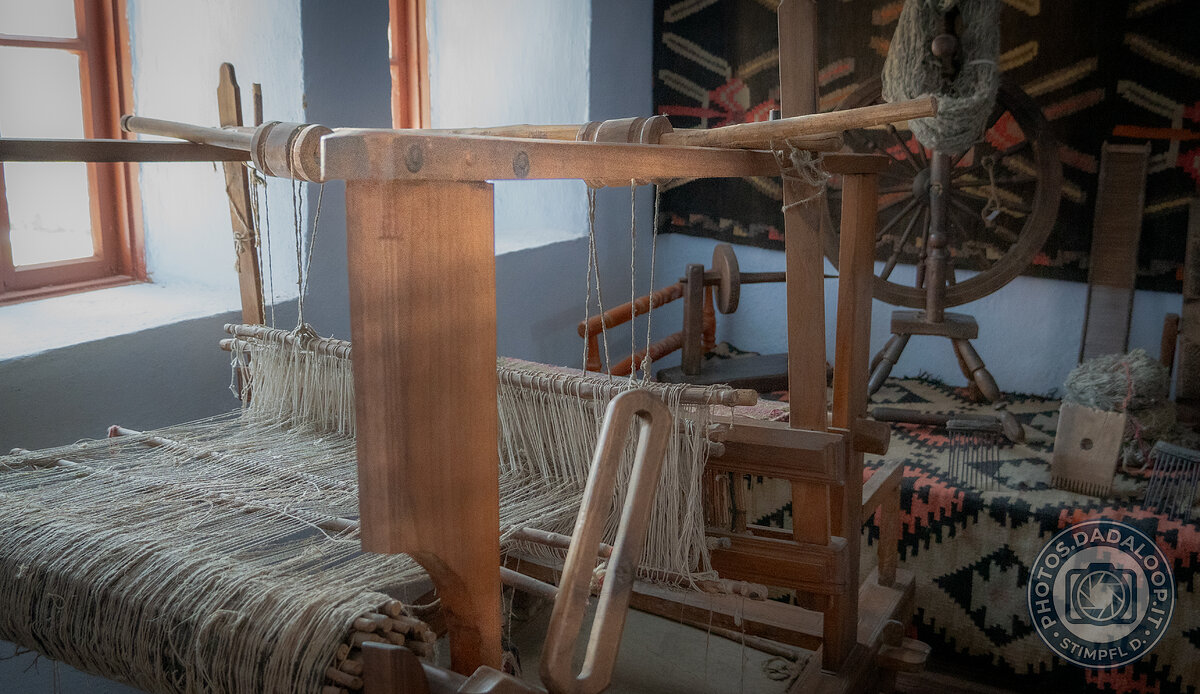
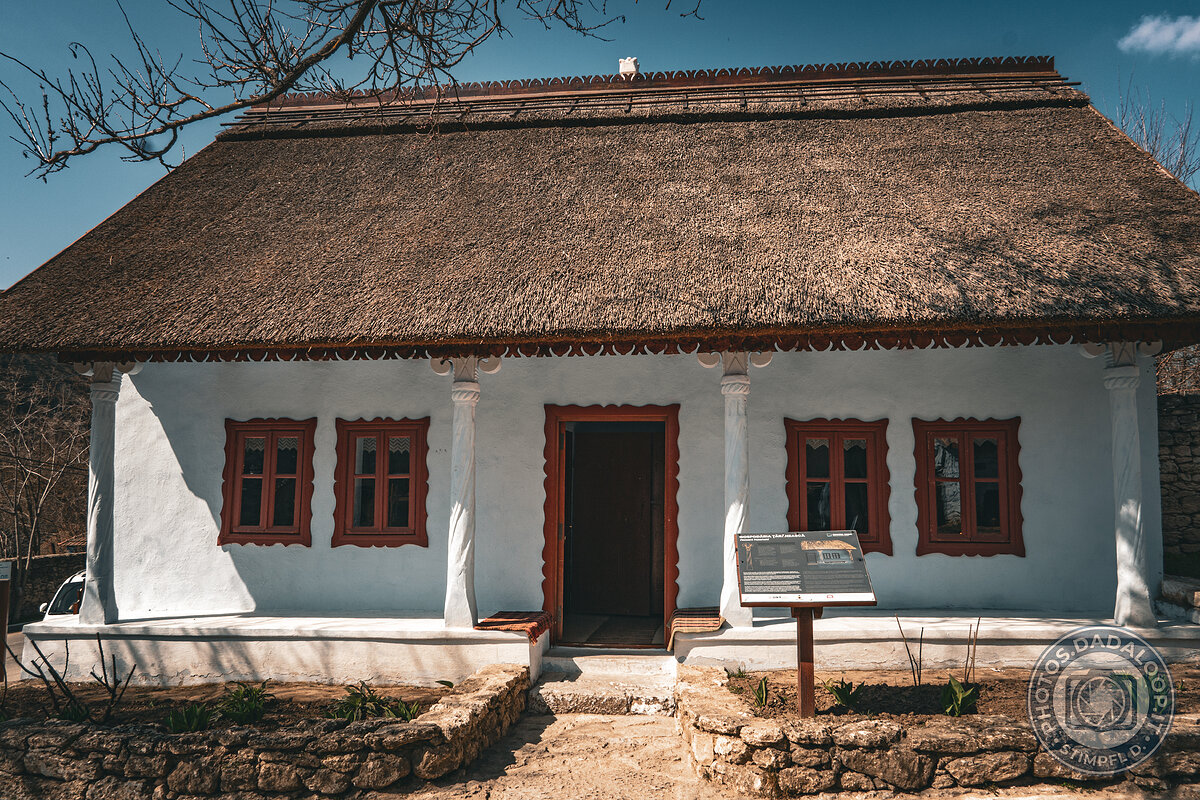
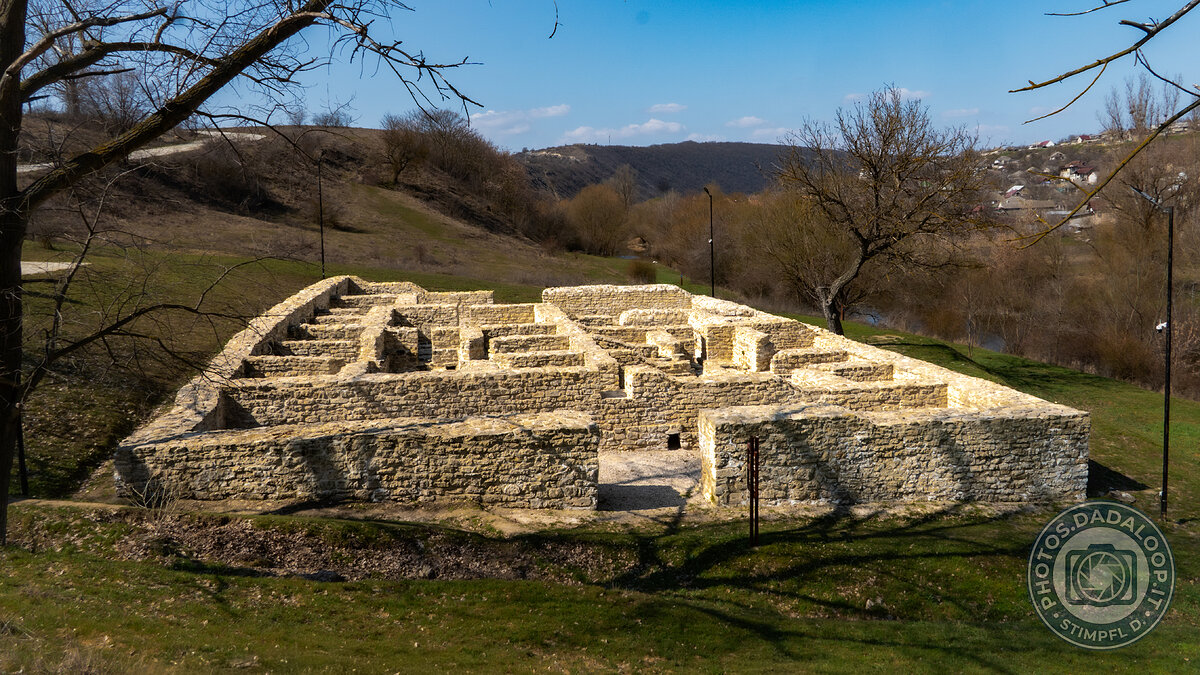
📍 Привокзальная площадь
Привокзальная площадь: Tiraspol's Post-Soviet Pulse and Park Life
Stepping into Привокзальная площадь in Tiraspol felt like walking through a living museum, yet vibrant with everyday life. This isn't just a park; it's a crossroads where the echoes of a bygone era meet the subtle hum of the present. I was drawn to the stark contrasts – the grand, imposing Soviet-era monuments standing proudly alongside the unexpected sight of a modern Sheriff supermarket, a symbol of Transnistria's unique economic landscape. It's a place that tells stories without words, a visual narrative of resilience and identity. My time spent here was an exploration of these layers, capturing the spirit of a place that is often misunderstood. From the quiet dignity of a tank monument adorned with fresh flowers to the bold, celebratory posters that still adorn buildings, every corner of Привоквозальная площадь offered a glimpse into the soul of this self-declared republic. The atmosphere was a captivating blend of solemn history and mundane reality, making it a truly compelling subject for my lens.
My Photographic Journey at Привокзальная площадь
- For the broader architectural shots and capturing the expansive feel of Привокзальная площадь, I relied heavily on my Sony Alpha 6300 paired with the versatile E 18-135mm F3.5-5.6 OSS lens. This combination allowed me to quickly switch between wide perspectives of the square and detailed close-ups of the intricate Soviet emblems or the distinctive Sheriff branding. For more spontaneous moments and street photography, especially when I needed to be discreet, my OPPO Find X5 smartphone proved invaluable, its portability ensuring I never missed a fleeting scene.
- The lighting in Tiraspol presented its own set of challenges and opportunities. I often worked within an ISO range of 100–500, aiming to maintain image quality while adapting to the varied conditions. Bright, clear skies could cast harsh shadows on the imposing concrete structures, requiring careful exposure to balance highlights and shadows. Conversely, the softer light of early morning or late afternoon beautifully accentuated the textures of weathered facades and the subtle hues of the park's greenery, adding a dramatic depth to the scenes.
- Привокзальная площадь serves as a fascinating microcosm of Transnistria itself. Historically, it's a gateway, connected to the railway station, and therefore a place of arrival and departure, symbolizing transition. The prominent display of Soviet iconography, from the monument to Lenin to the very design of many buildings, speaks volumes about the region's complex political identity and its strong ties to a past era. Understanding this historical backdrop was crucial to interpreting the visual language of the square, where every monument and every building tells a piece of the Transnistrian story.
- My approach at Привокзальная площадь was to document without judgment, focusing on the contrasts and the quiet dignity of everyday life against a monumental backdrop. I employed a documentary style, seeking out compositions that highlighted the juxtaposition of grand Soviet architecture with the mundane elements of modern life – a child playing near a tank, or an abandoned gas station under a clear sky. I paid close attention to lines and symmetry in the architecture, but also sought out the human element and the small details that reveal the unique character of Tiraspol.
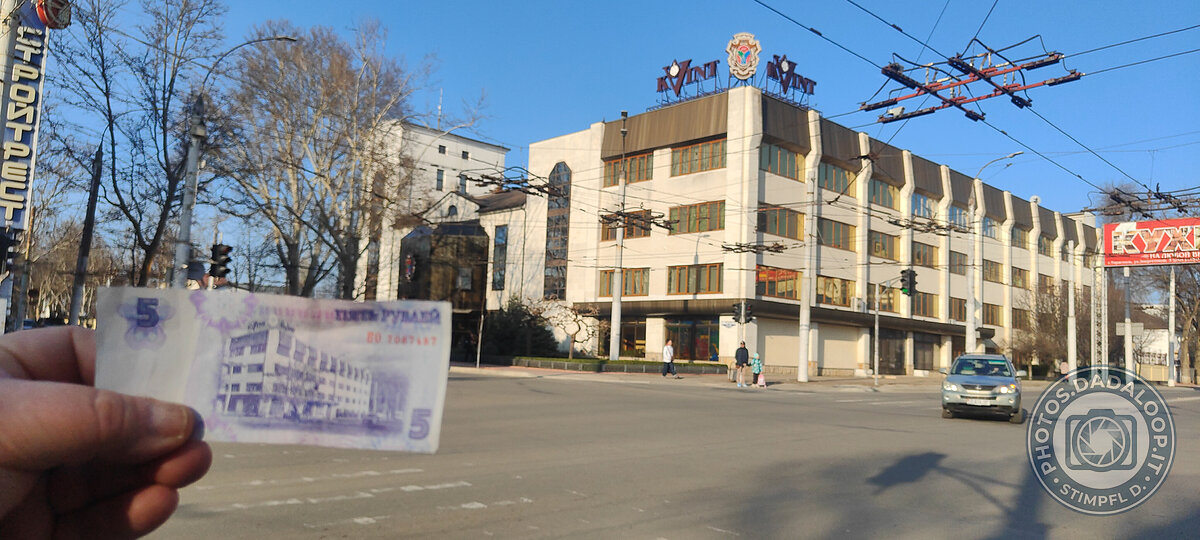
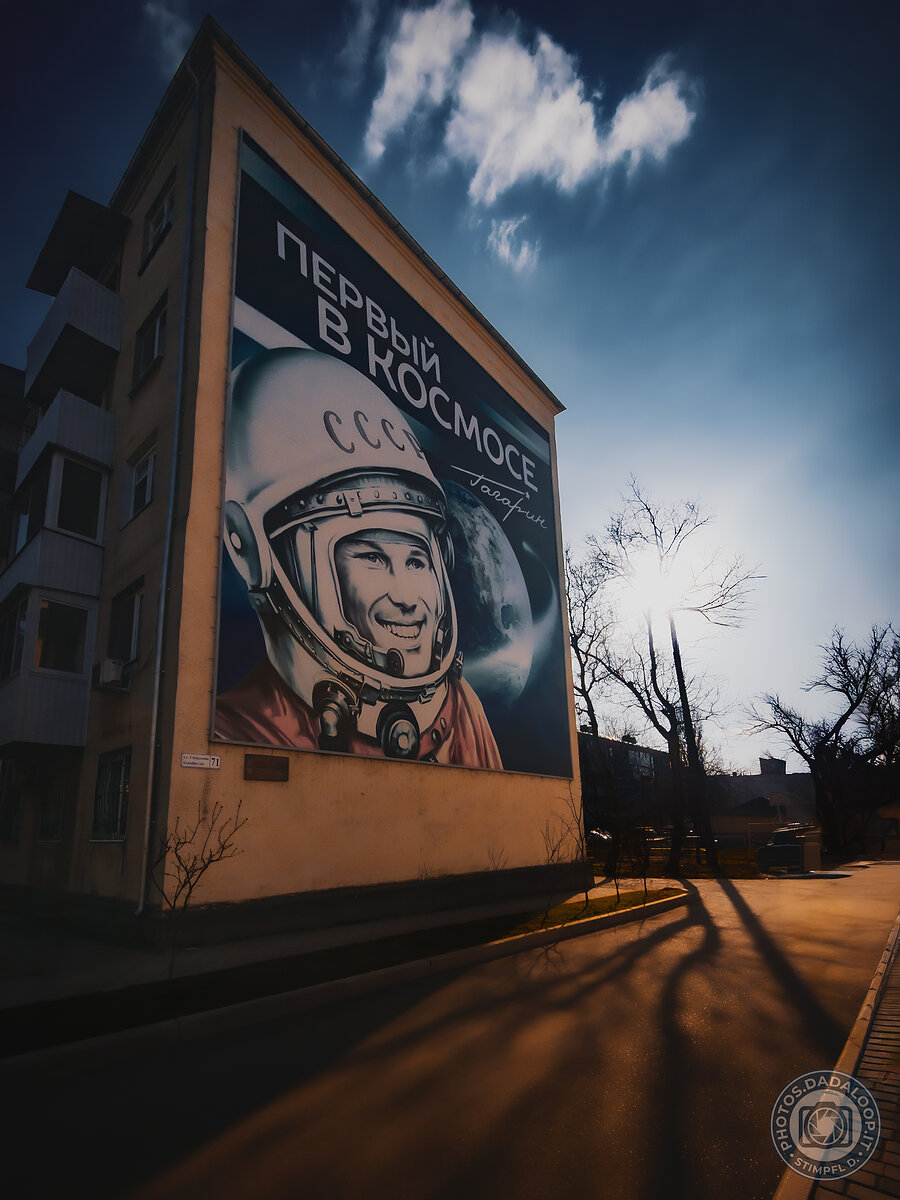
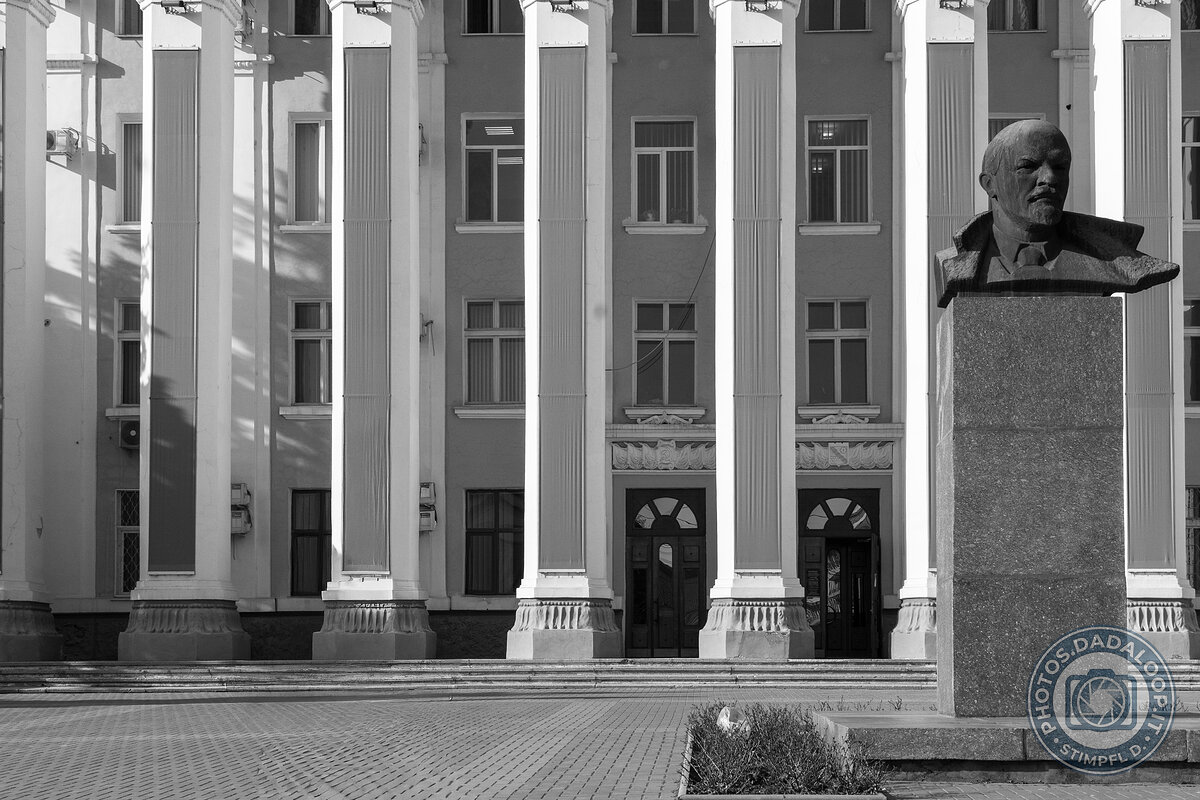
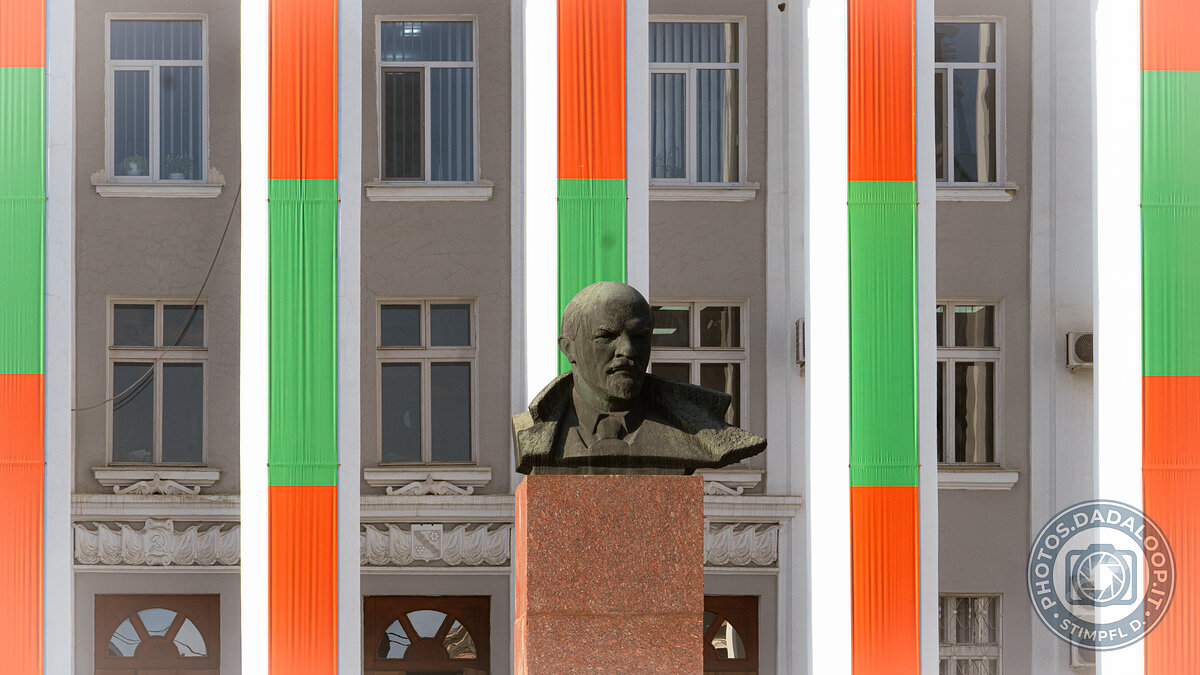
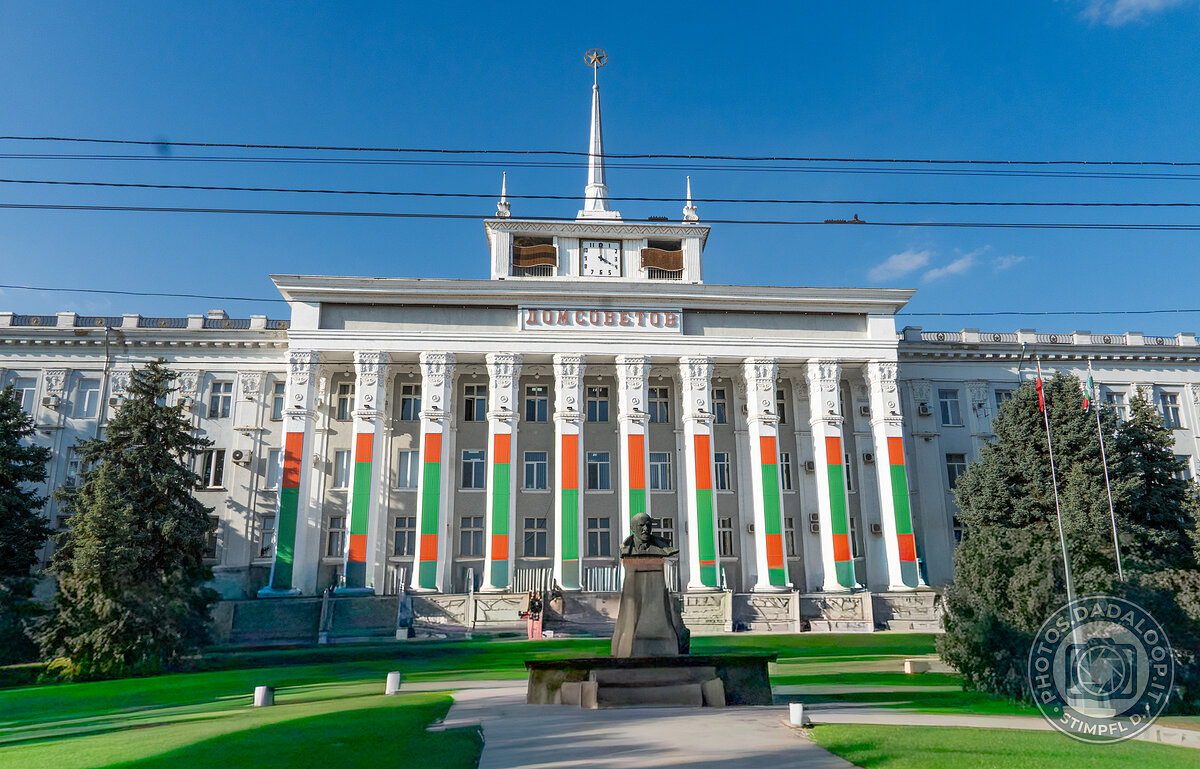
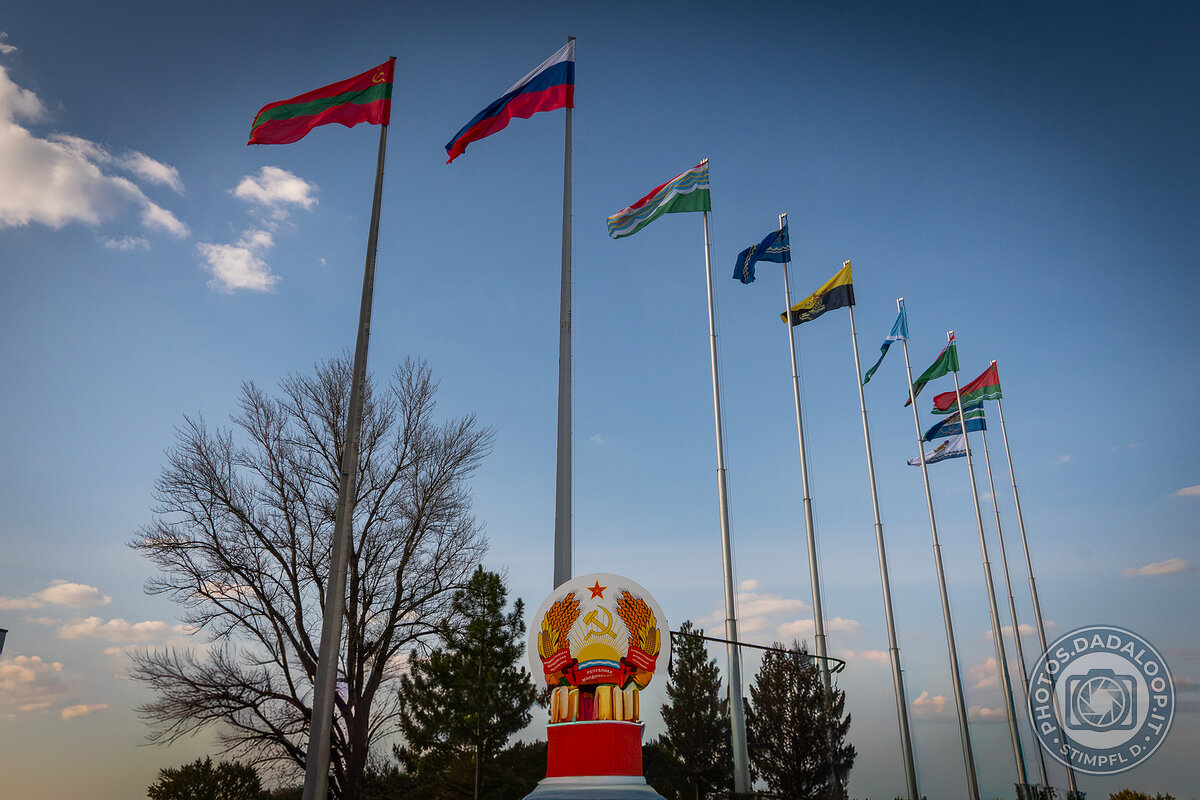
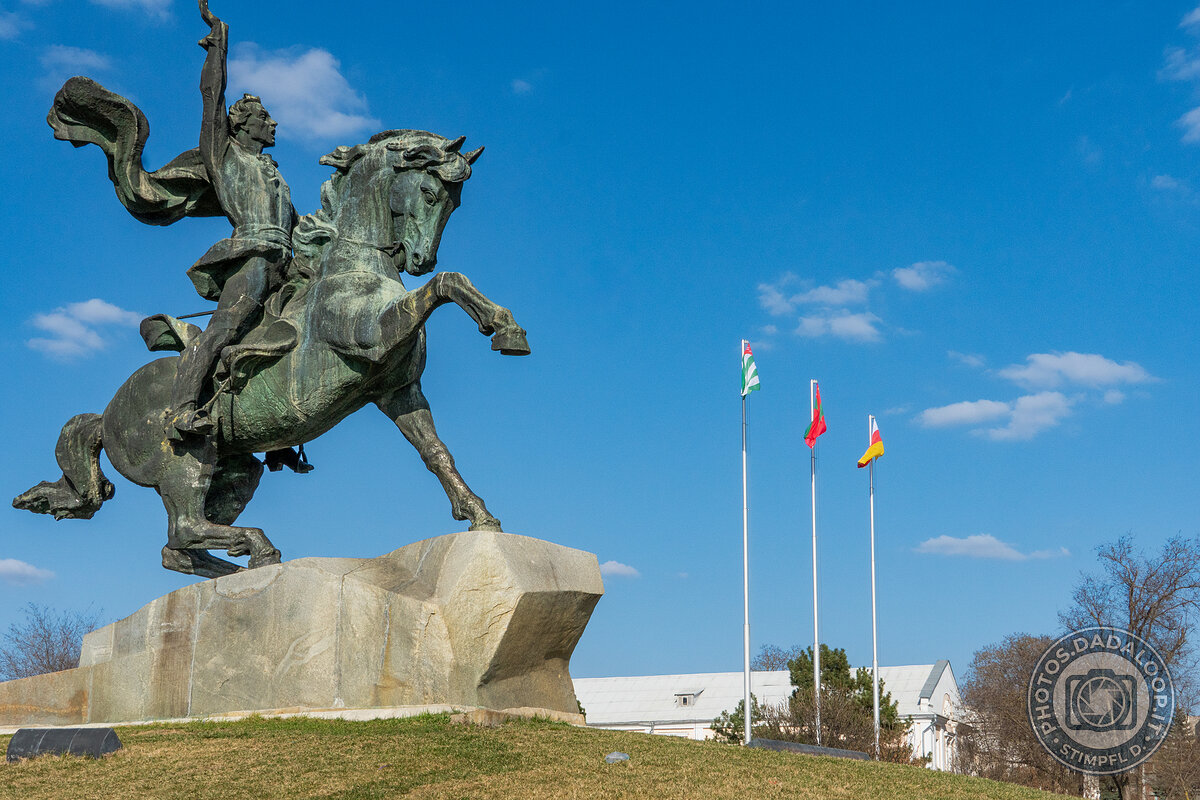
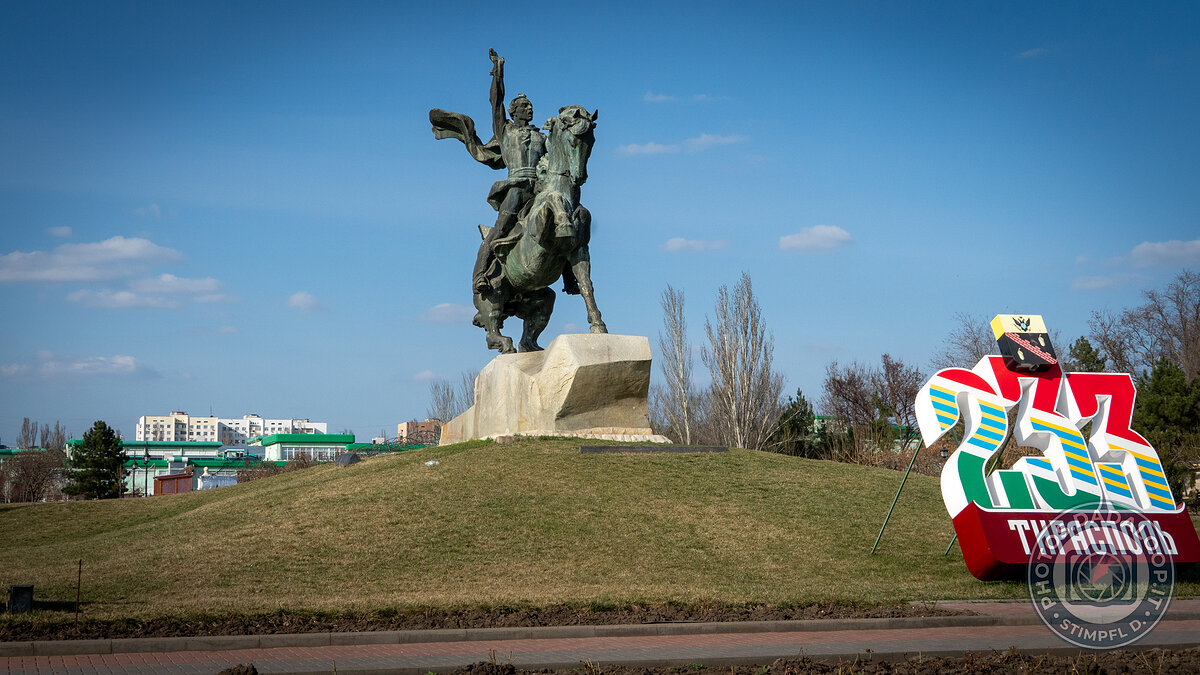
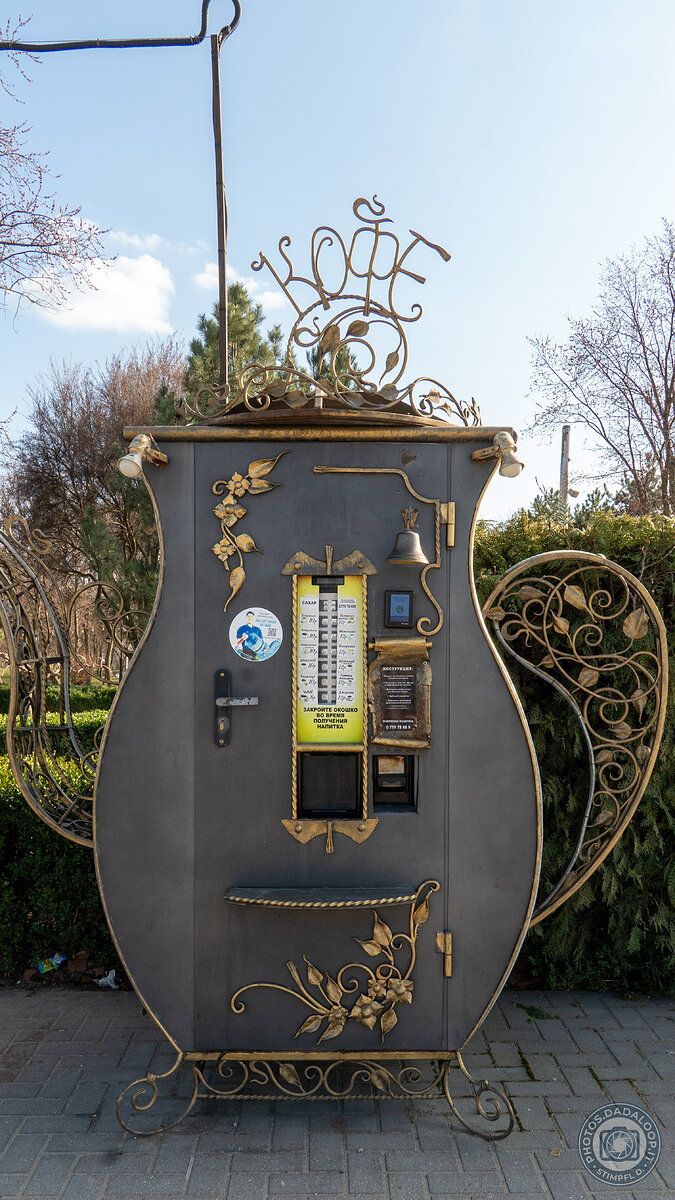
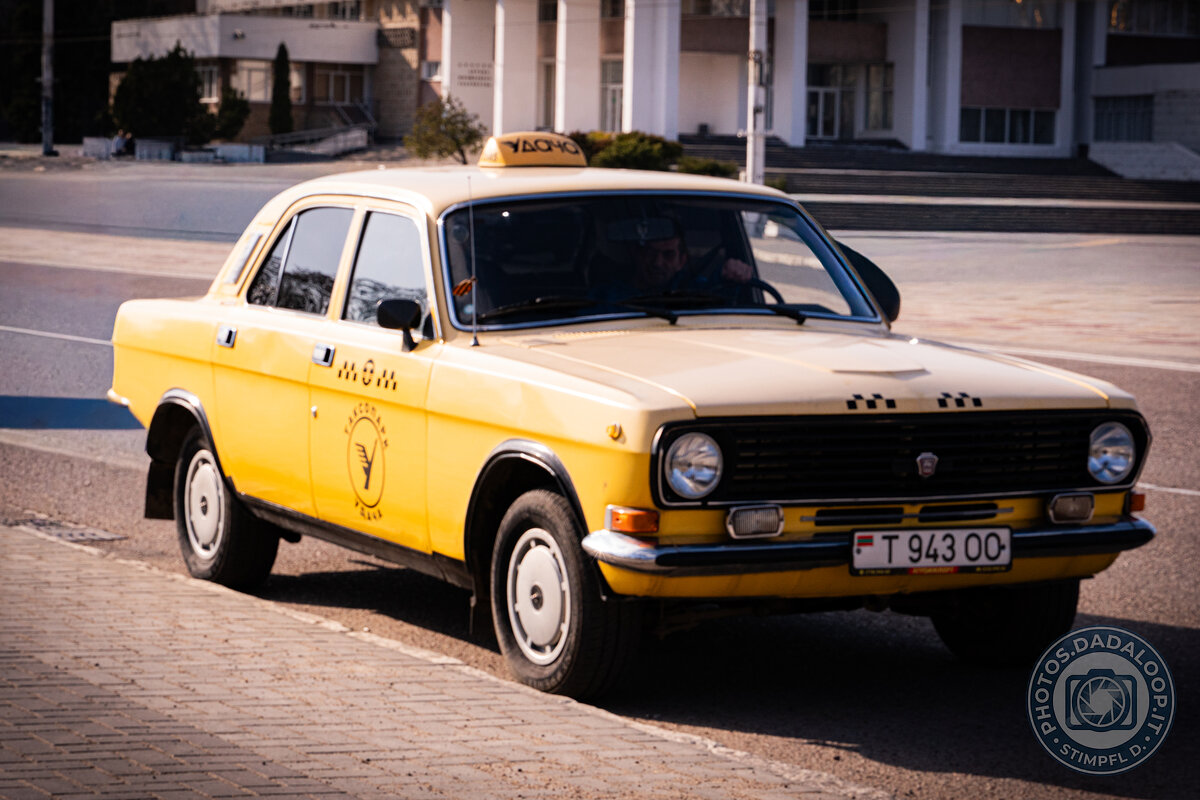
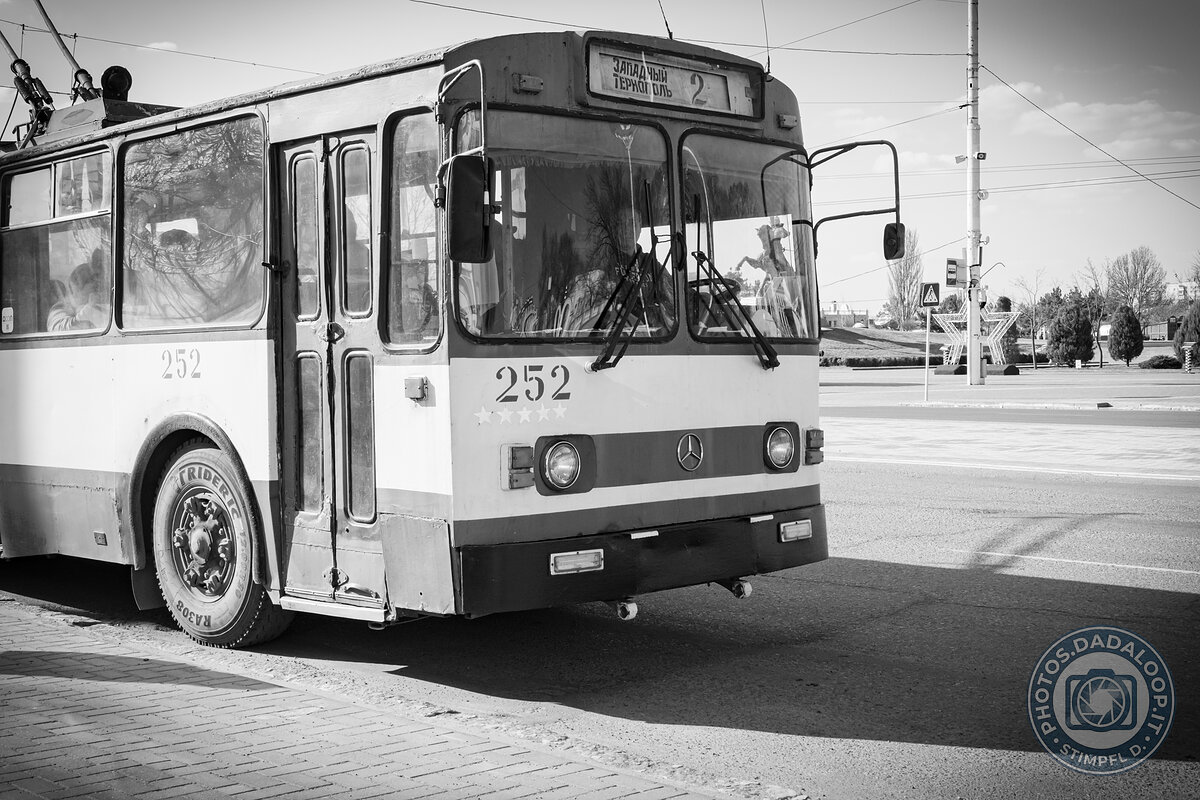
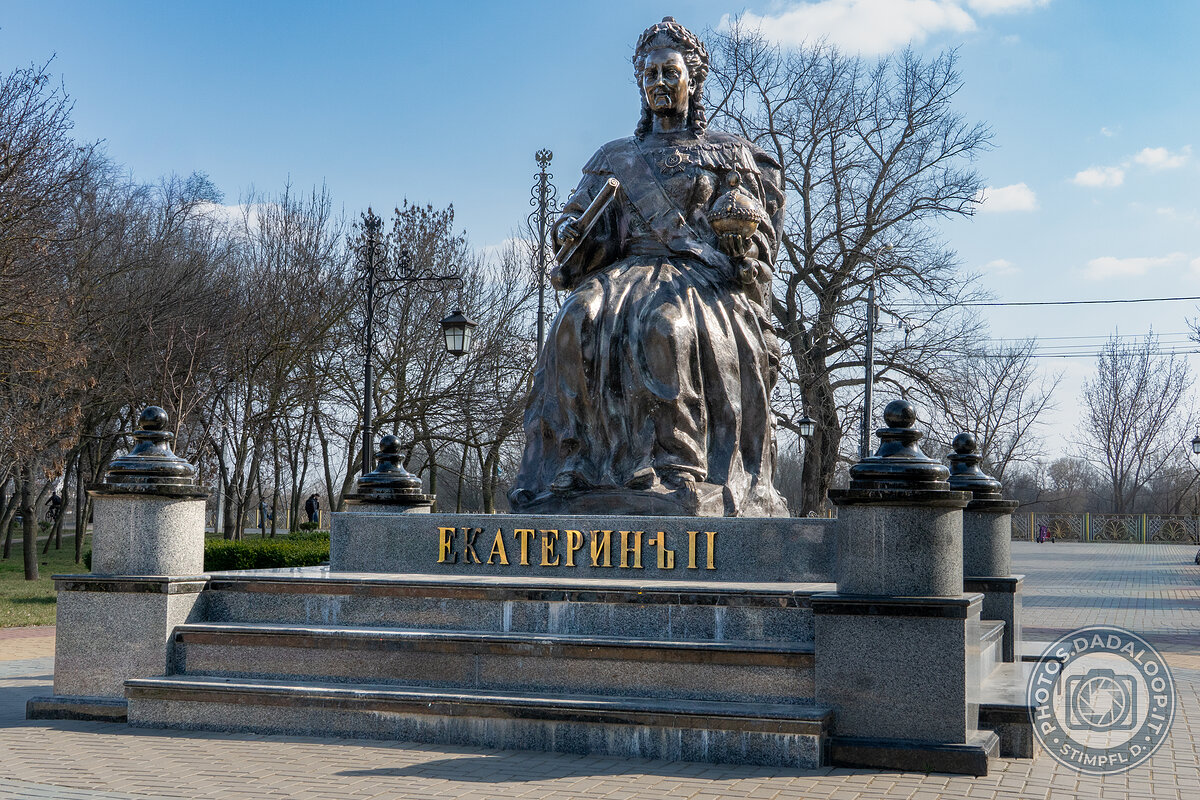
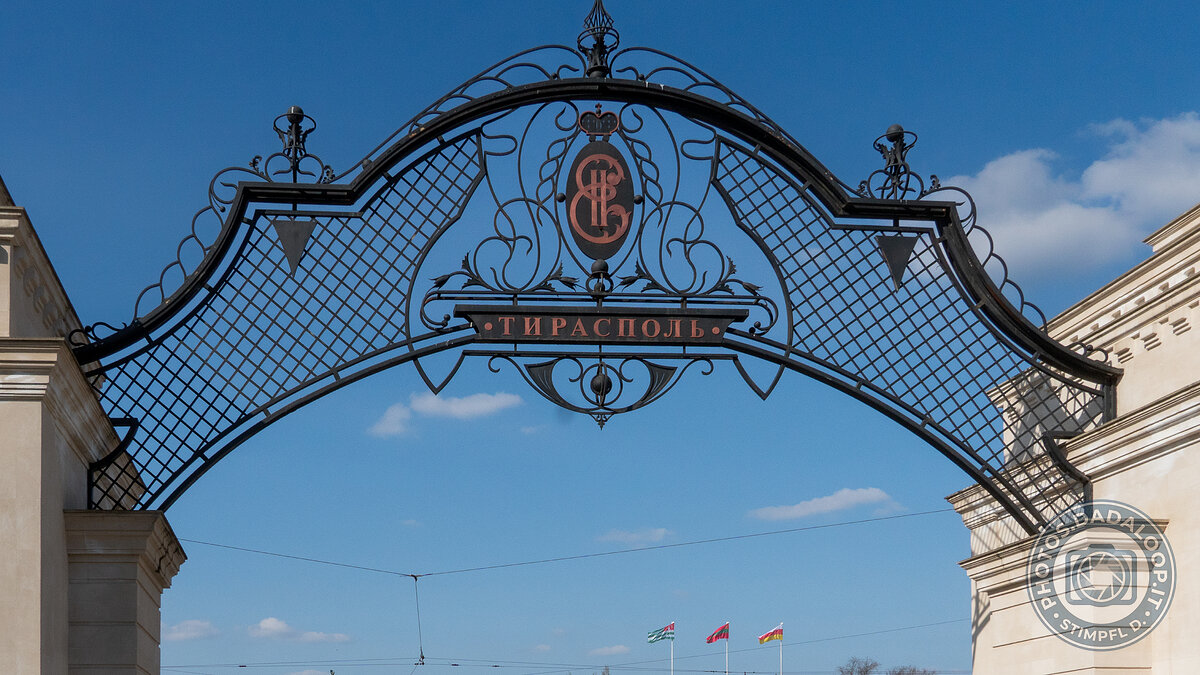
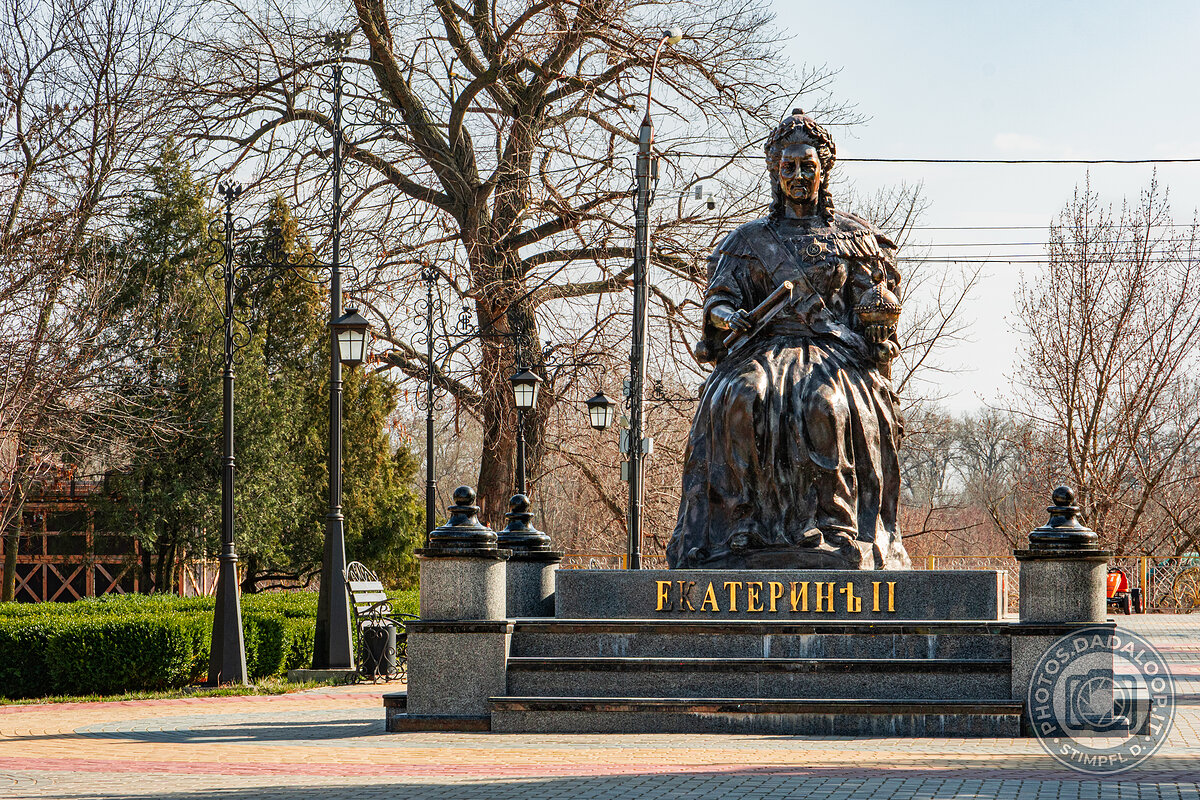
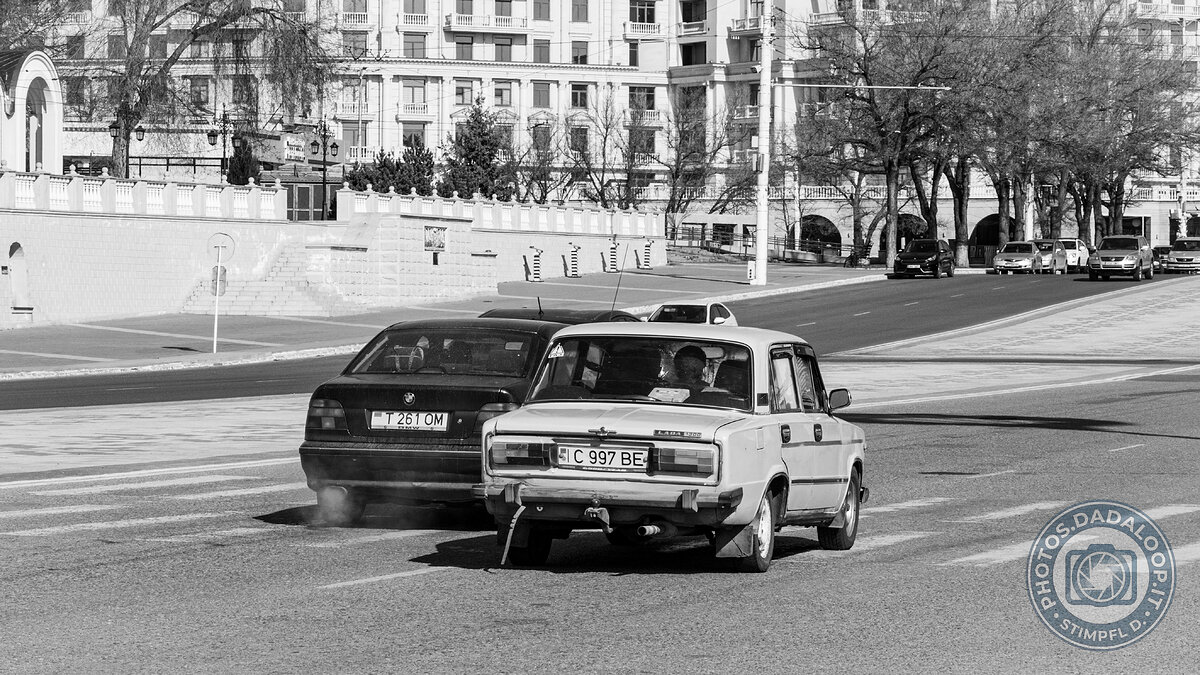
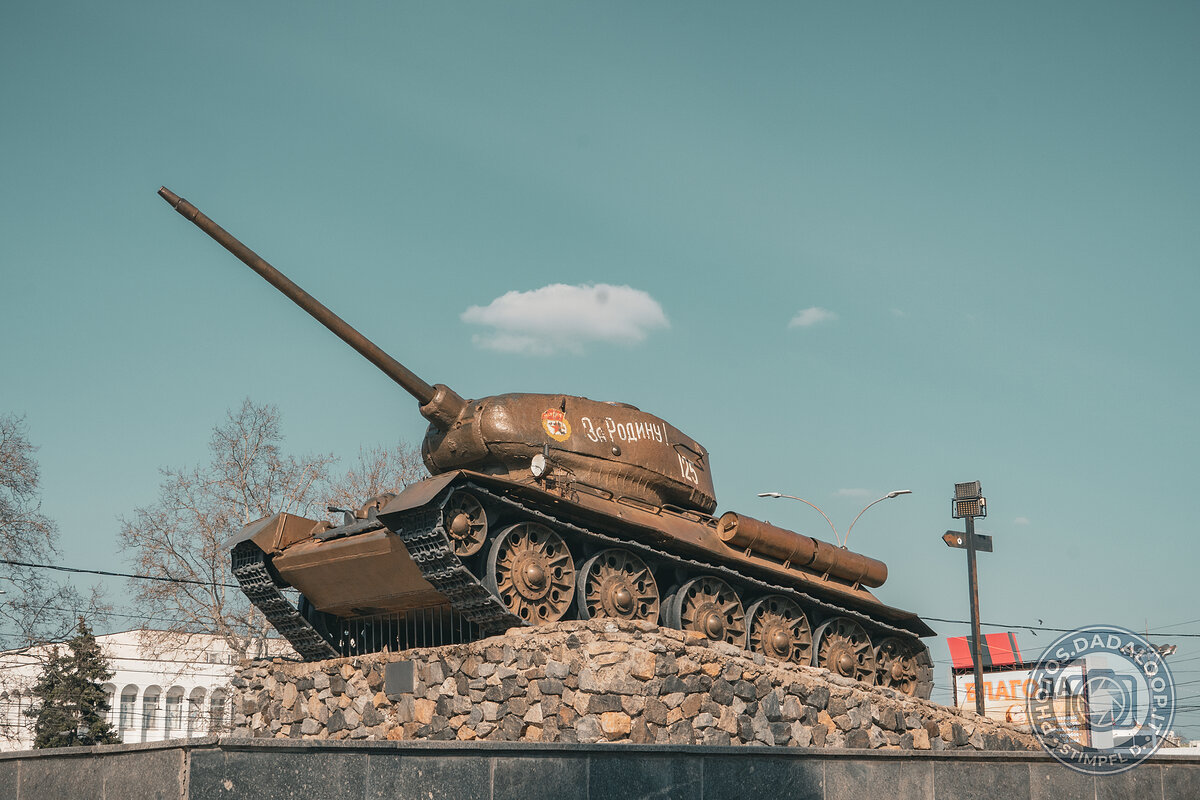
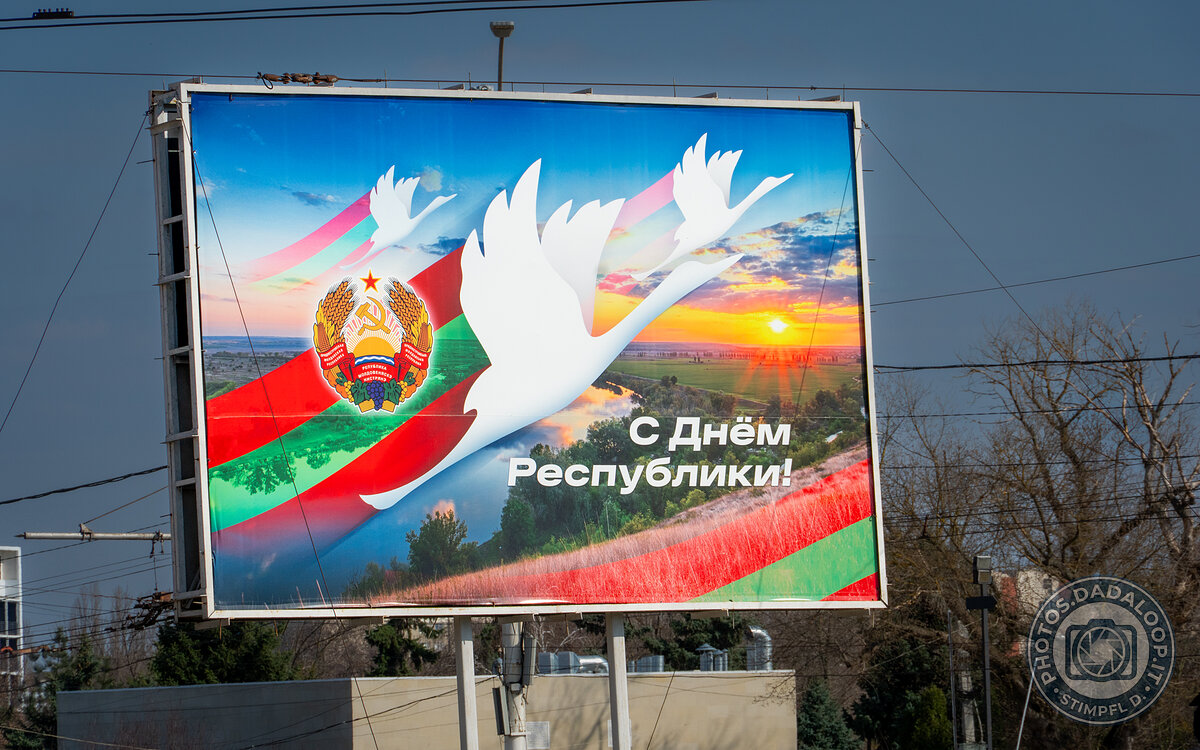
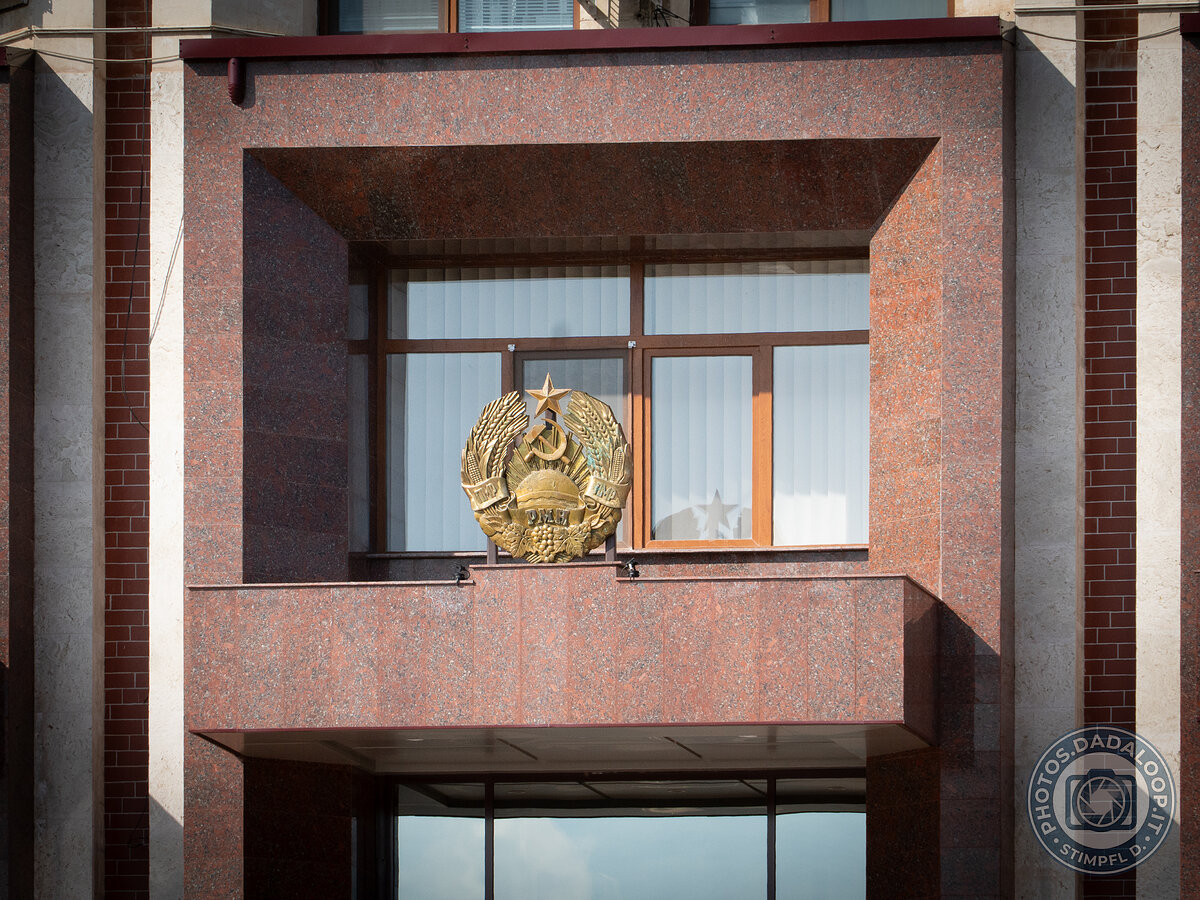
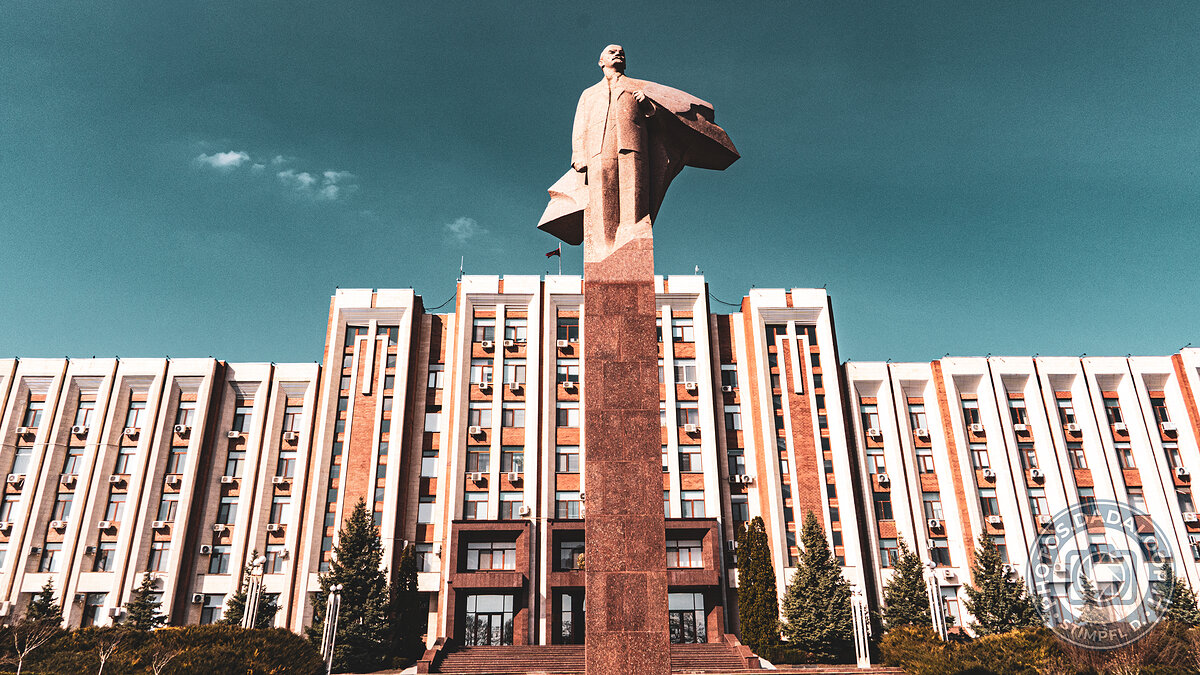
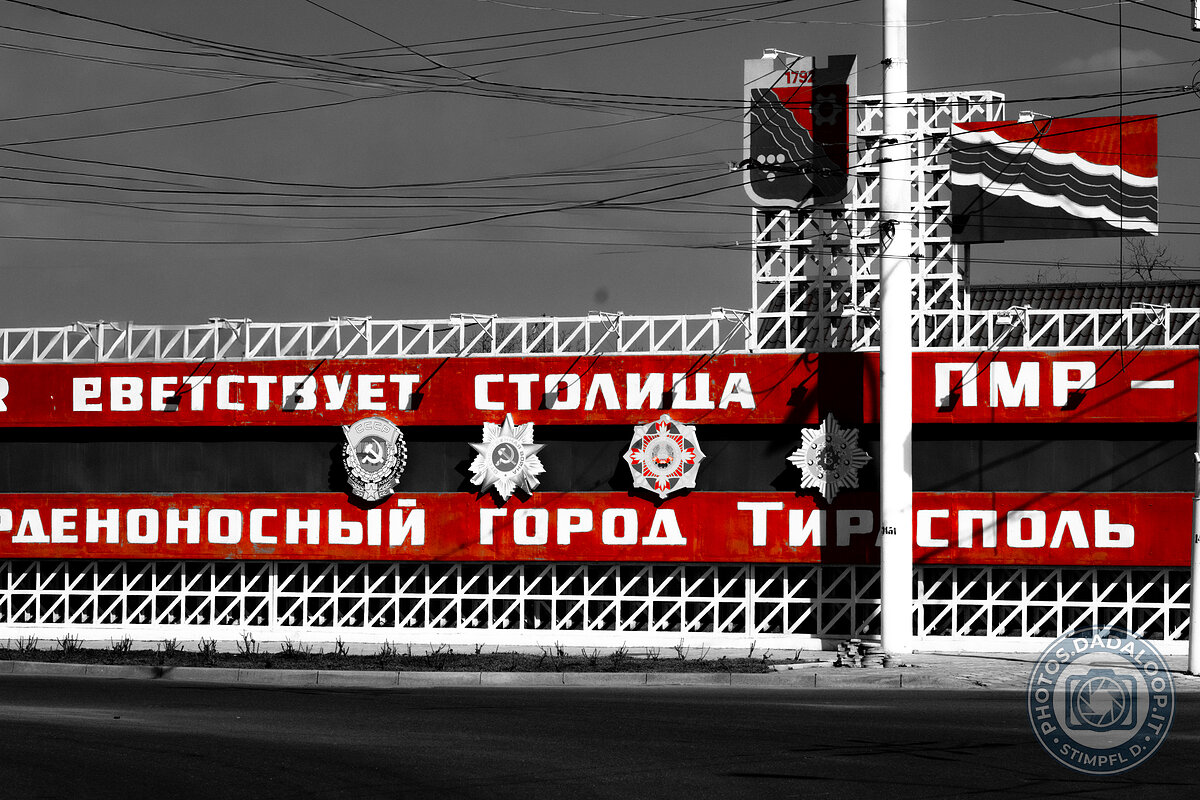
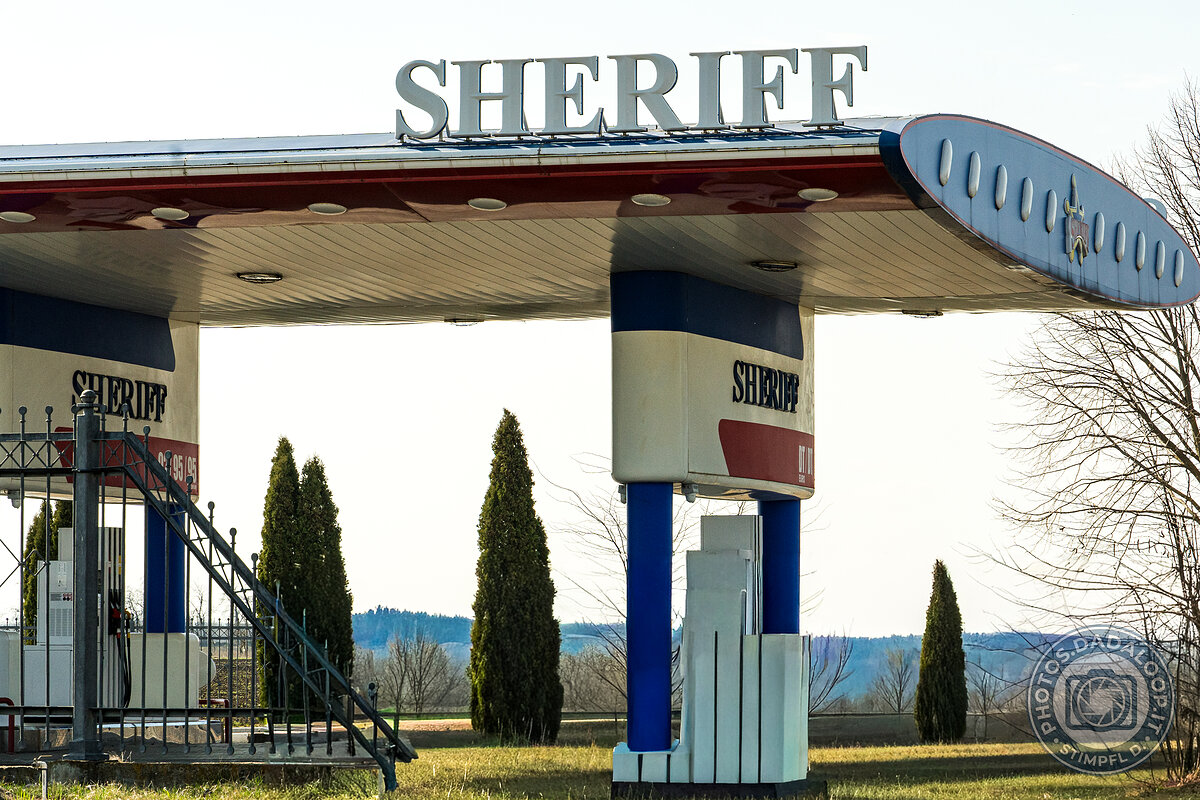
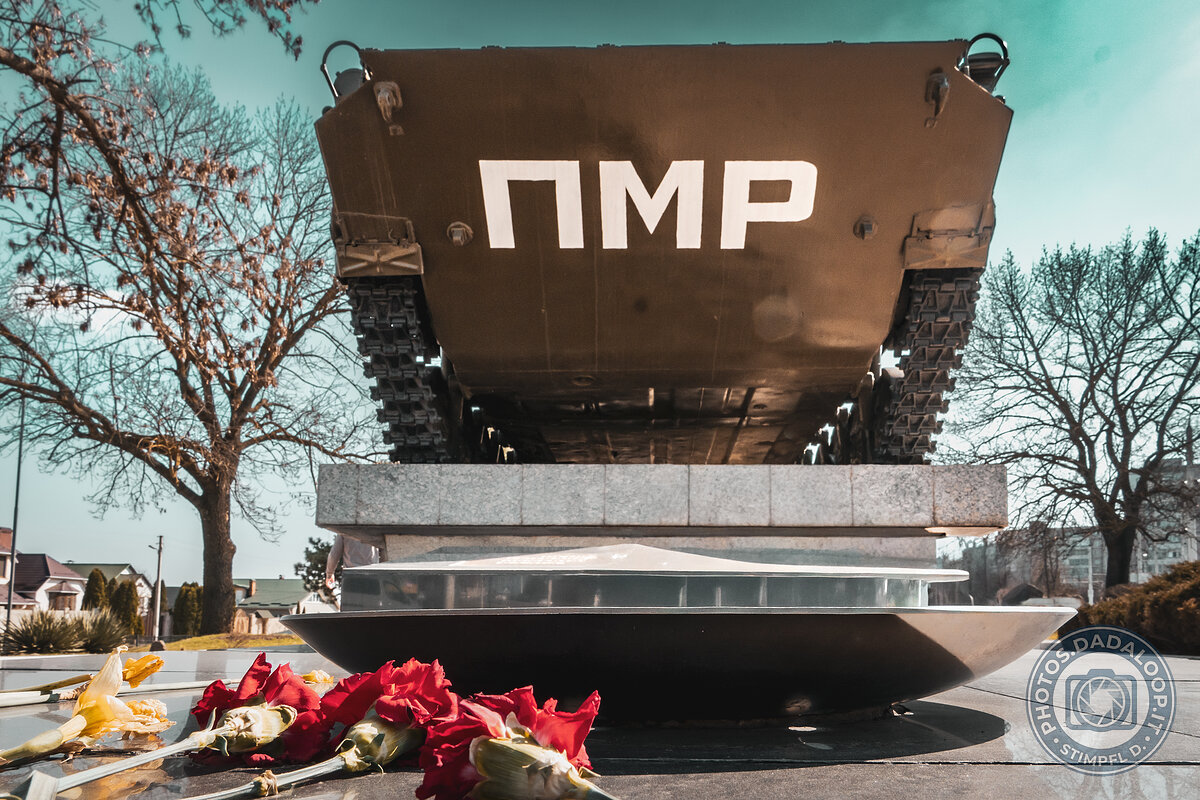
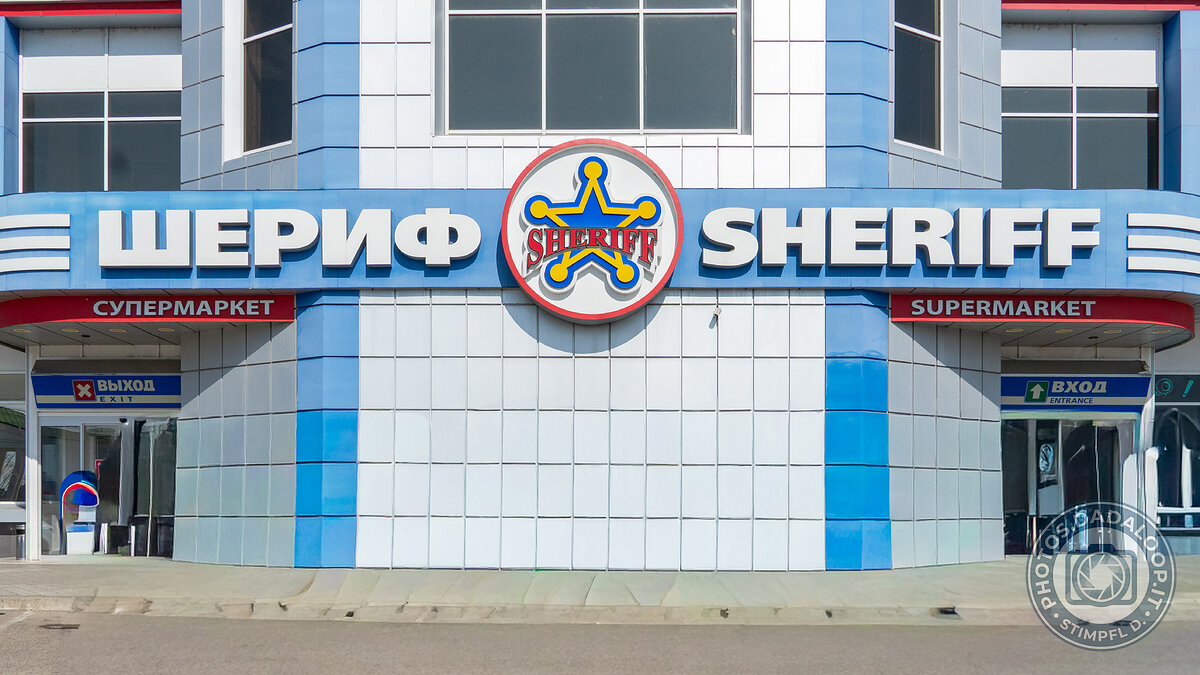
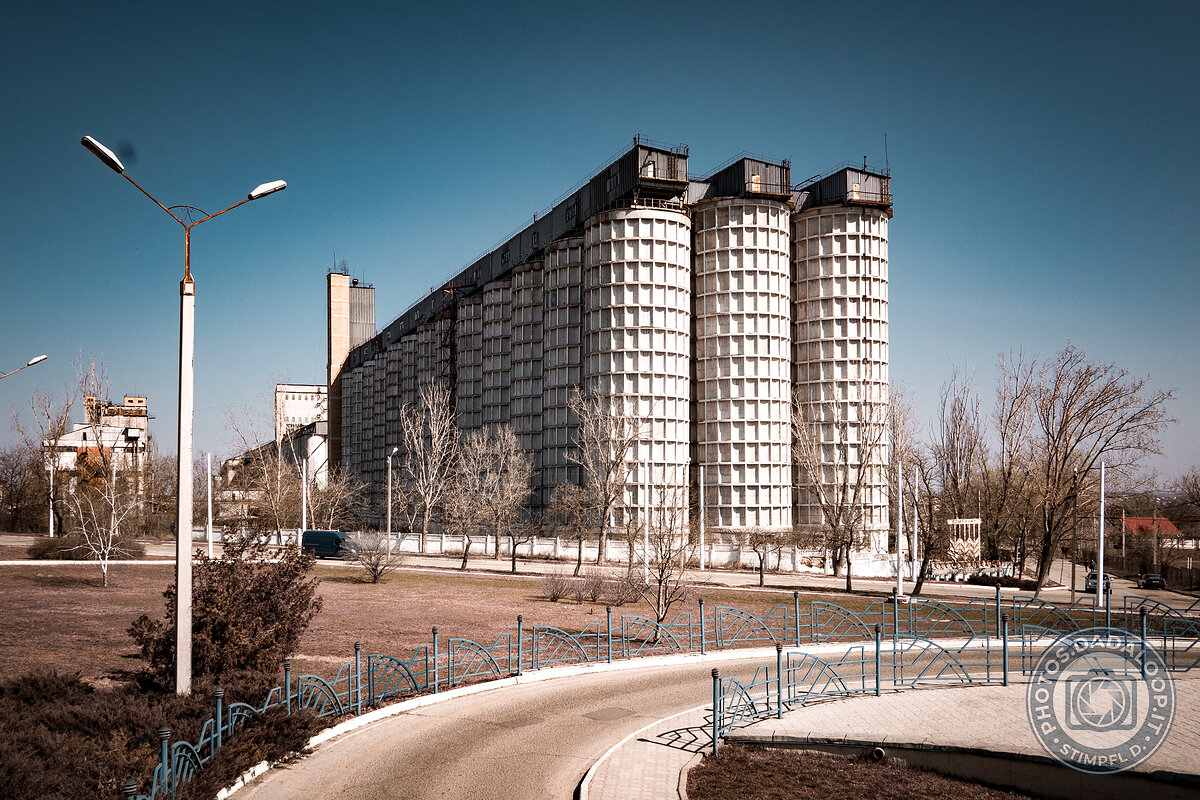
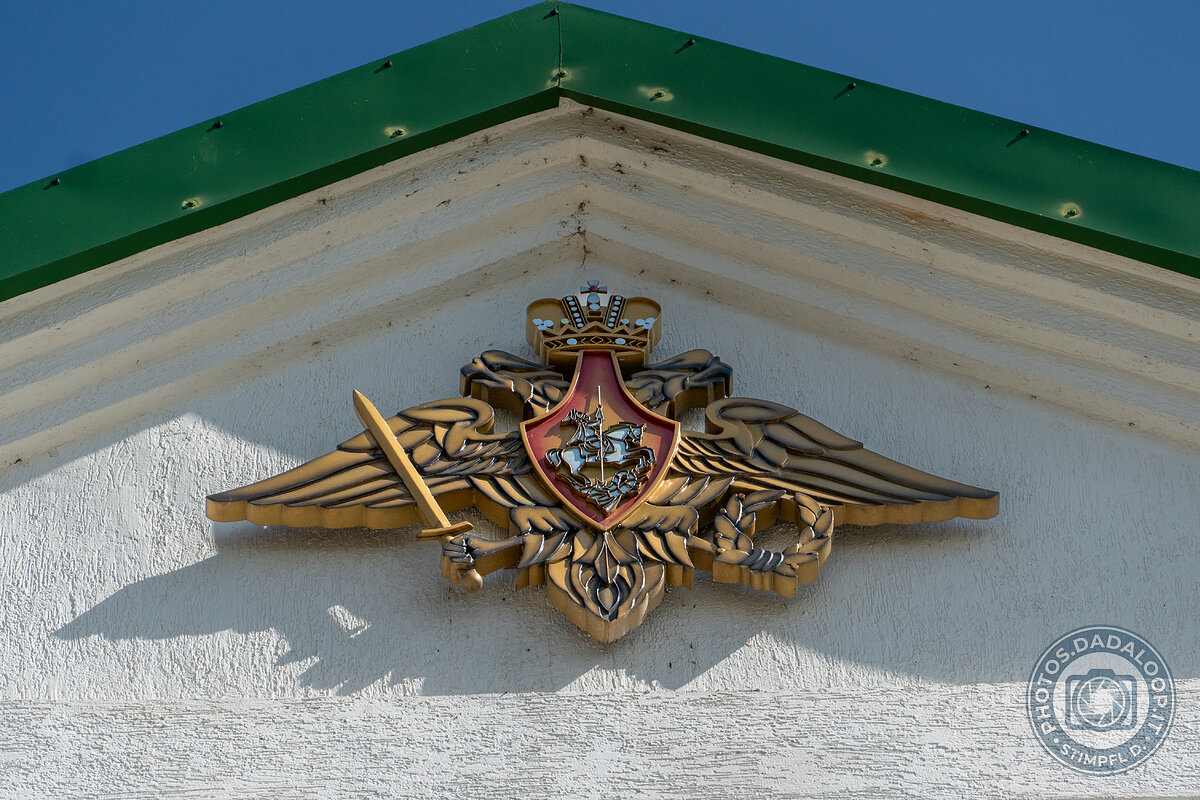
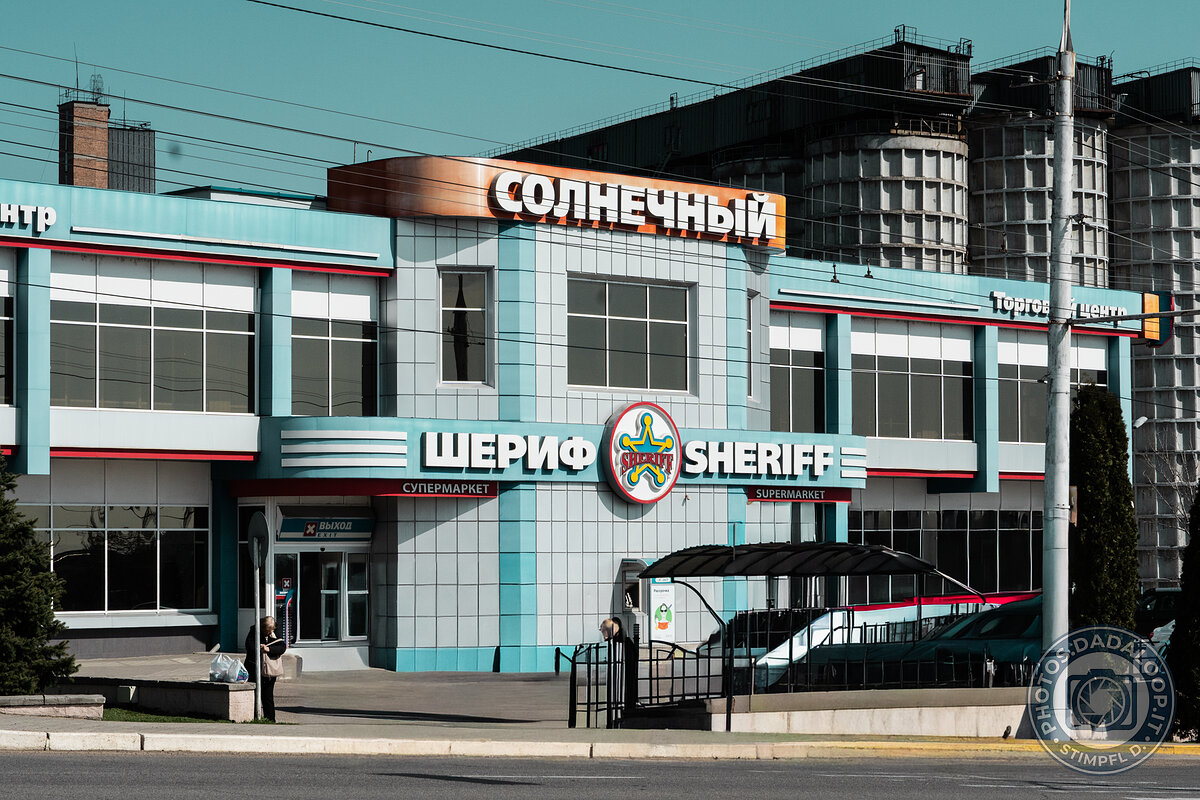
📍 Цитадель Бендерской крепости
Цитадель Бендерской крепости: A Photographer's Journey Through Time
Stepping into the Цитадель Бендерской крепости felt like walking through a portal. This isn't just a fortress; it's a living archive, where every stone whispers tales of centuries past. From the imposing medieval walls that have withstood countless sieges to the quiet courtyards, there's a palpable sense of history that captivated my lens. I was particularly drawn to the way the ancient architecture coexists with more recent echoes of the Soviet past in the surrounding town, creating a unique visual tapestry. It's a place where legends, like that of the Dama Bianca, seem to linger in the air, making every corner ripe for discovery. My goal was to capture this complex character, from its grand, defensive structures to the subtle, human elements that make it so compelling.
Capturing the Essence of Bender Fortress Citadel
My photographic approach to the Цитадель Бендерской крепости was deeply personal, aiming to convey the layered history and unique atmosphere I experienced.- Equipment: Sony Alpha 6300 (mirrorless APS-C), OPPO Find X5 (smartphone) — E 18-135mm F3.5-5.6 OSS
- Navigating Light and Shadow: The fortress presented a fascinating challenge with its dramatic contrasts. Bright sunlight often illuminated the exterior, demanding careful exposure, while the interiors and ancient passages were often shrouded in deep shadows. My ISO settings, ranging from 500–1250, reflect this dynamic environment. I often pushed the ISO to capture the subtle textures and atmosphere within the dimmer sections, ensuring the details of the historical site were preserved without losing their inherent moodiness.
- Historical and Cultural Immersion: Beyond the medieval fortress itself, I was keen to document the broader context of Bender and Transnistria. This meant exploring not just the tower and merloned walls, but also the everyday life and unique cultural remnants. Capturing things like a Soviet shop sign, hand-drawn warnings, vintage radios, and traditional meals helped paint a more complete picture of this fascinating region, showing how history continues to shape the present.
- Storytelling Through Composition: My technique focused on visual storytelling. Whether it was the majestic shot of the fortress under the blue sky or a still life featuring typical dishes, I aimed for compositions that invited the viewer to pause and reflect. I sought out angles that emphasized the scale of the medieval architecture while also finding beauty in the smaller, often overlooked details that tell a story of human presence and persistence over centuries.
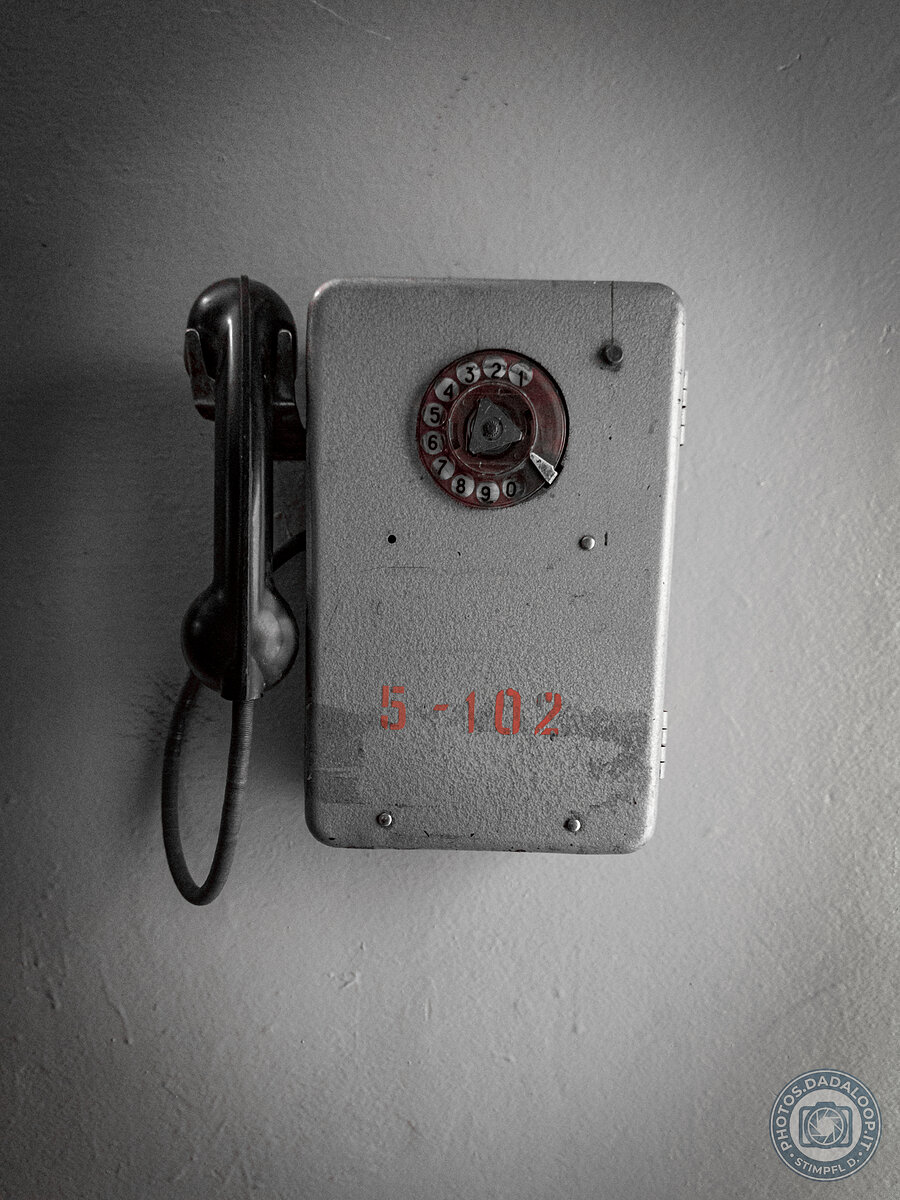
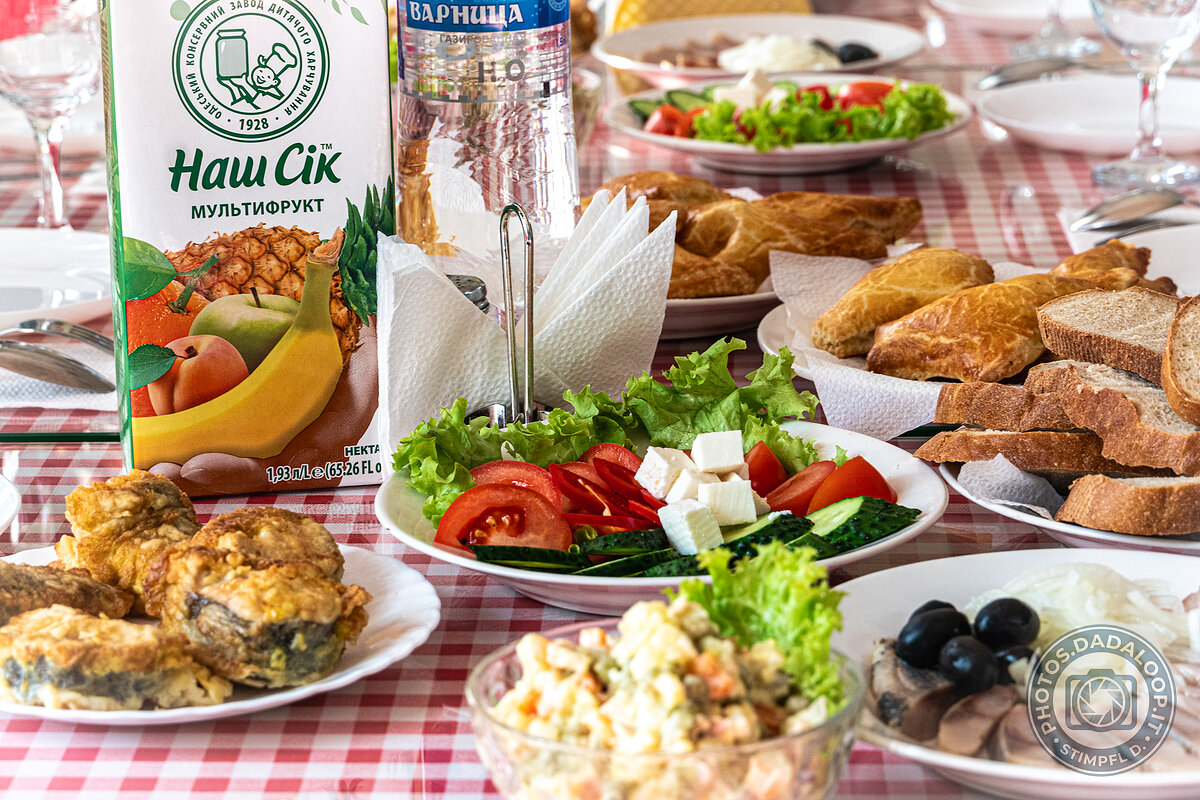
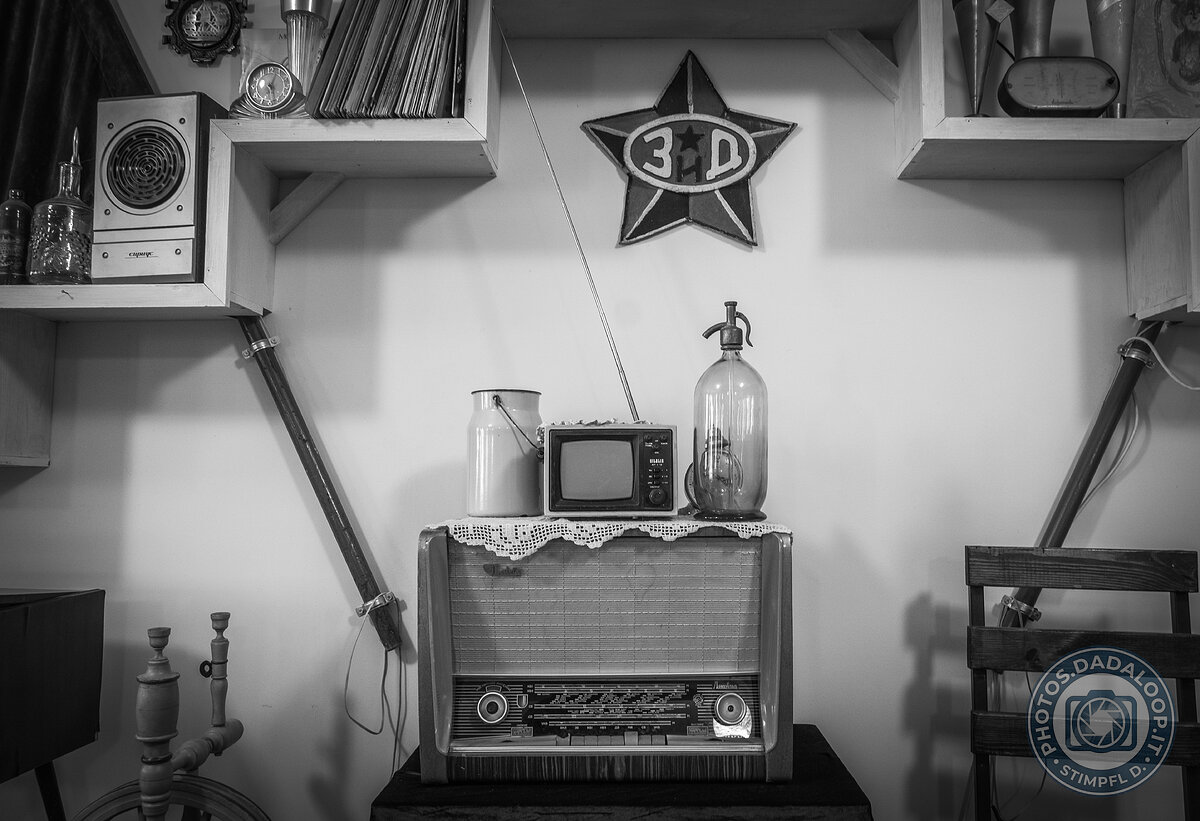
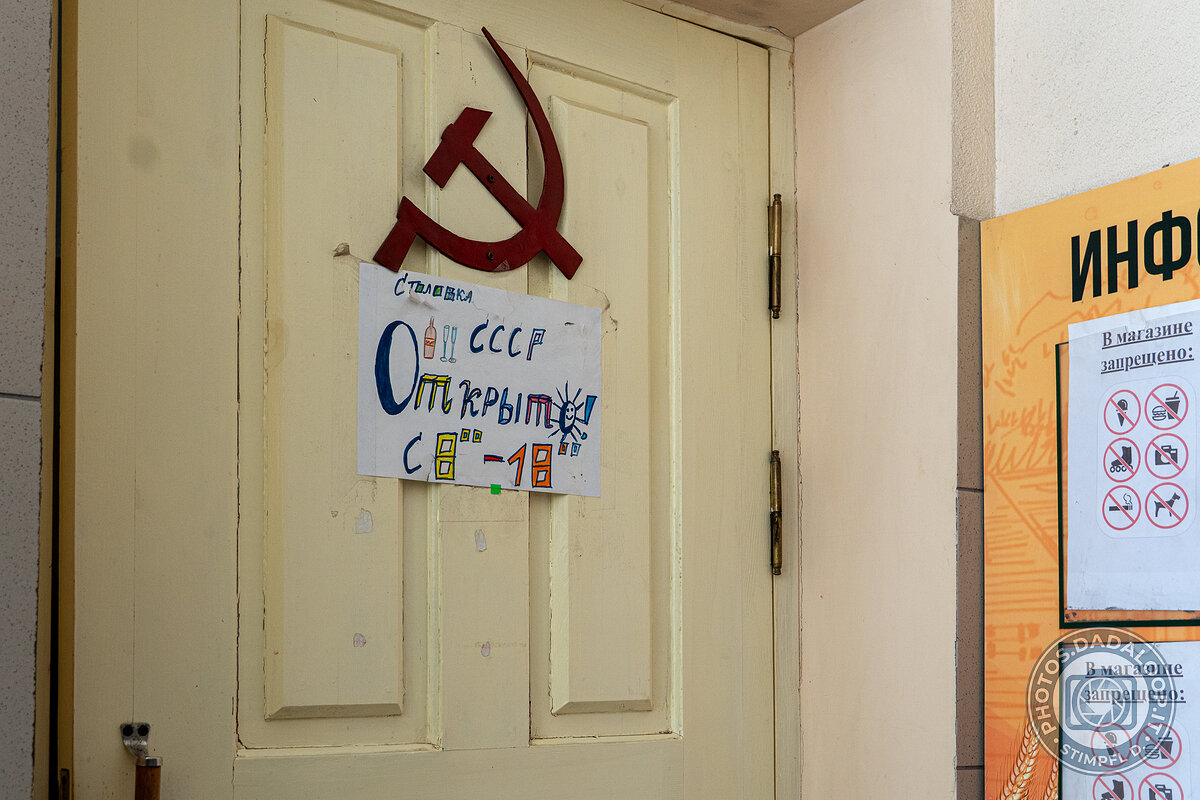
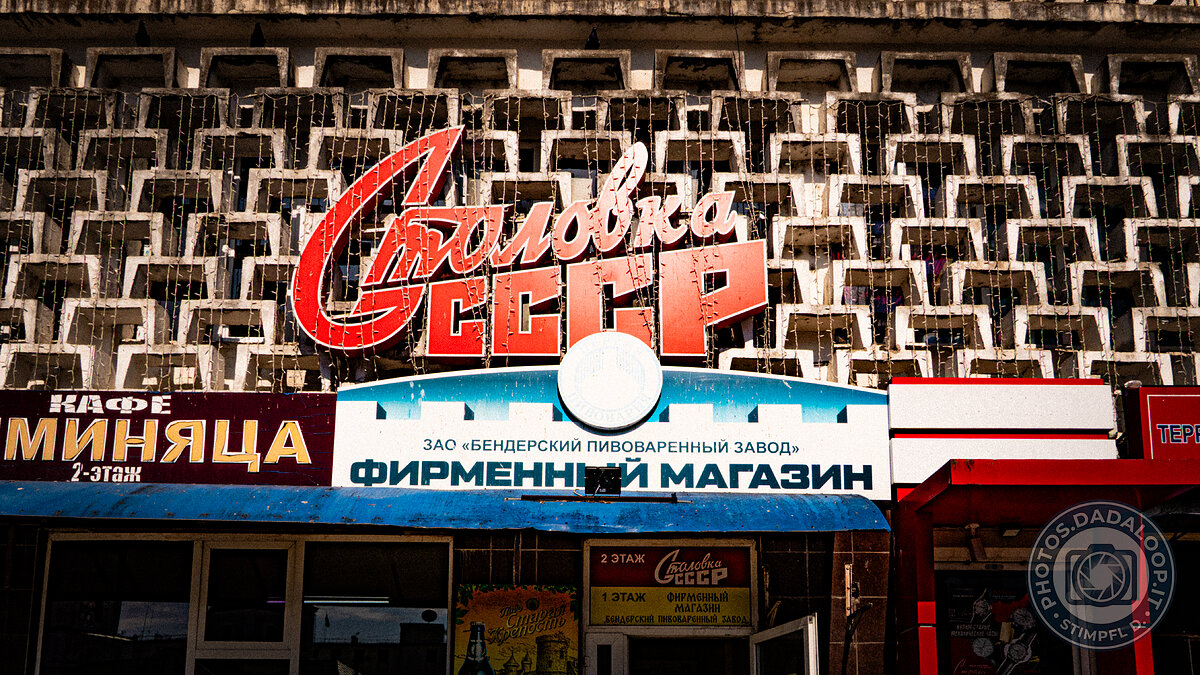
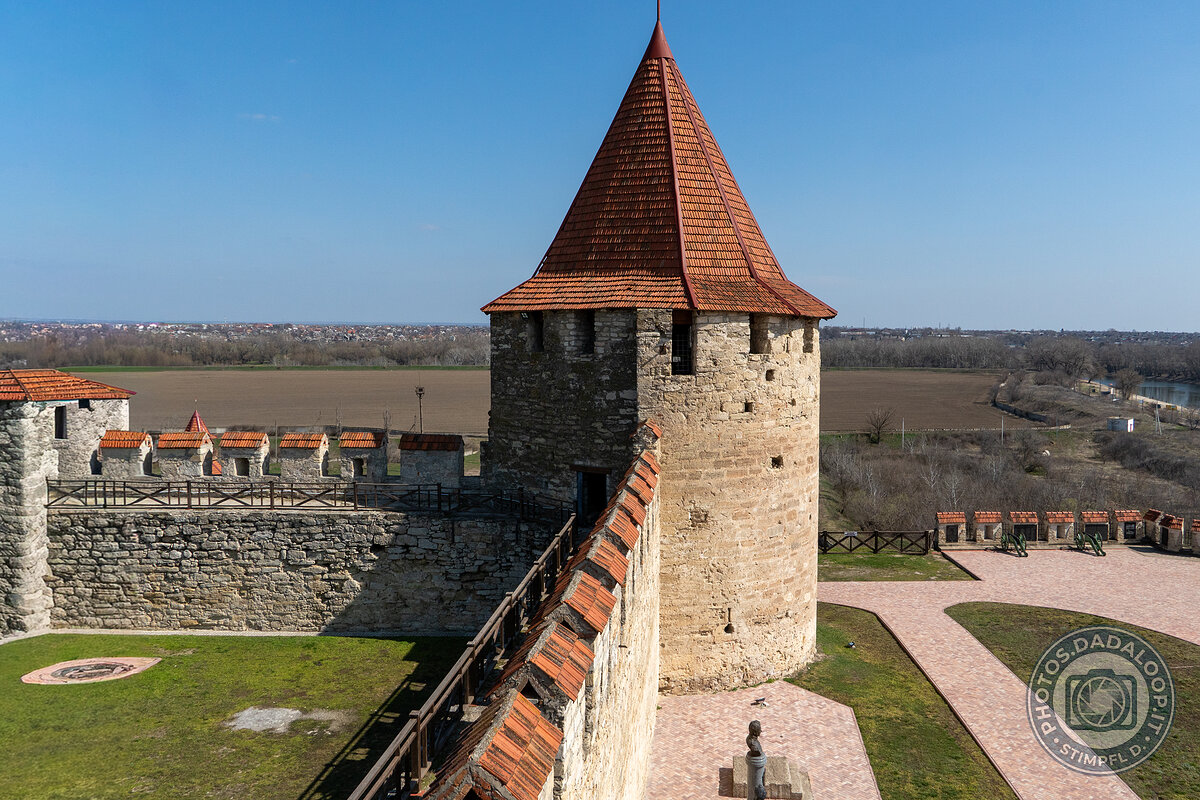
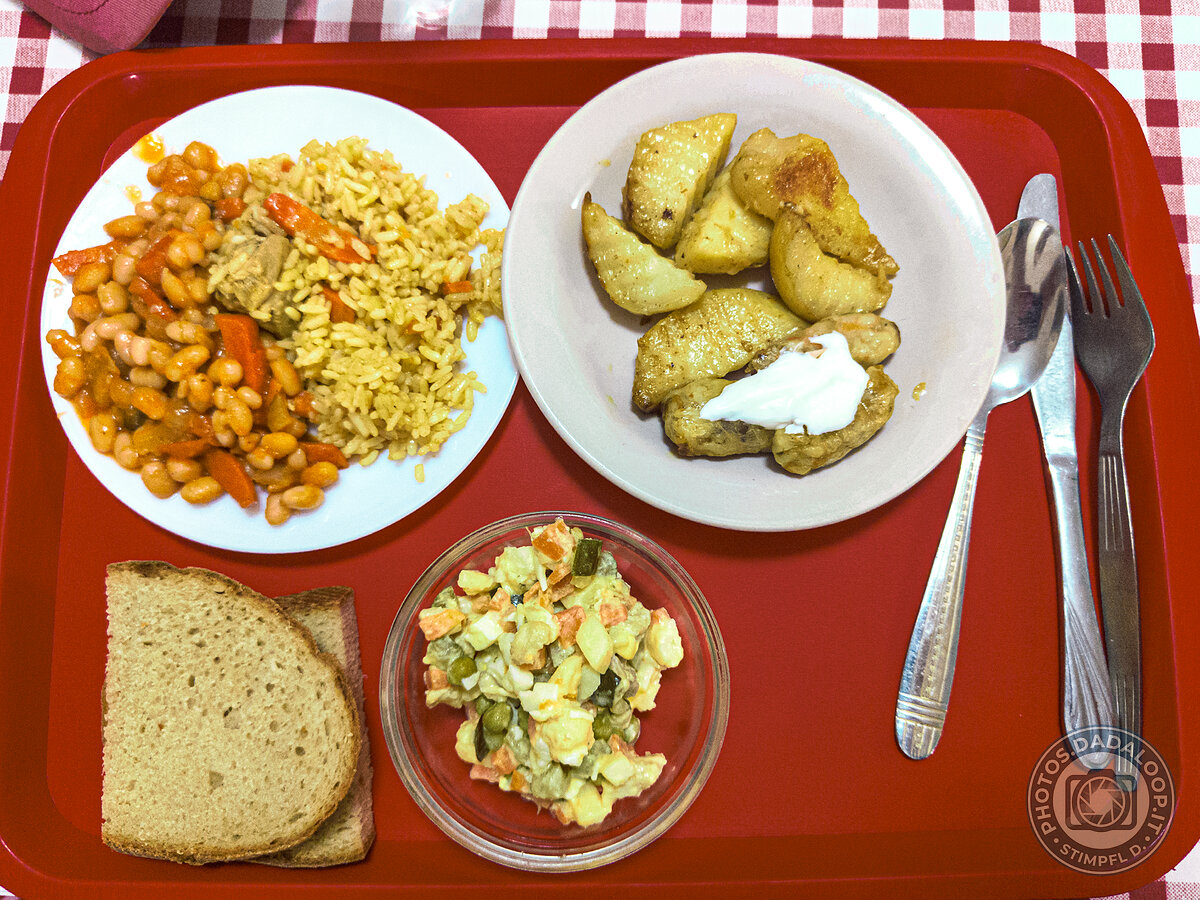
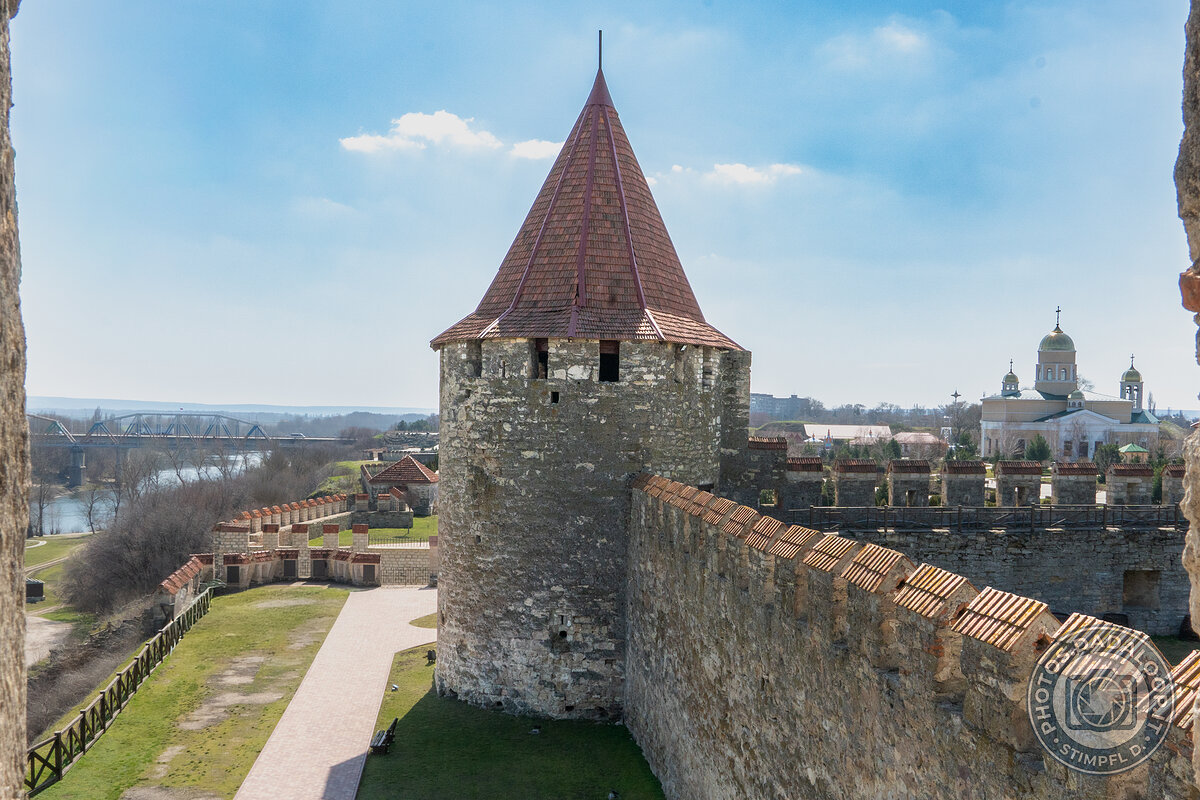
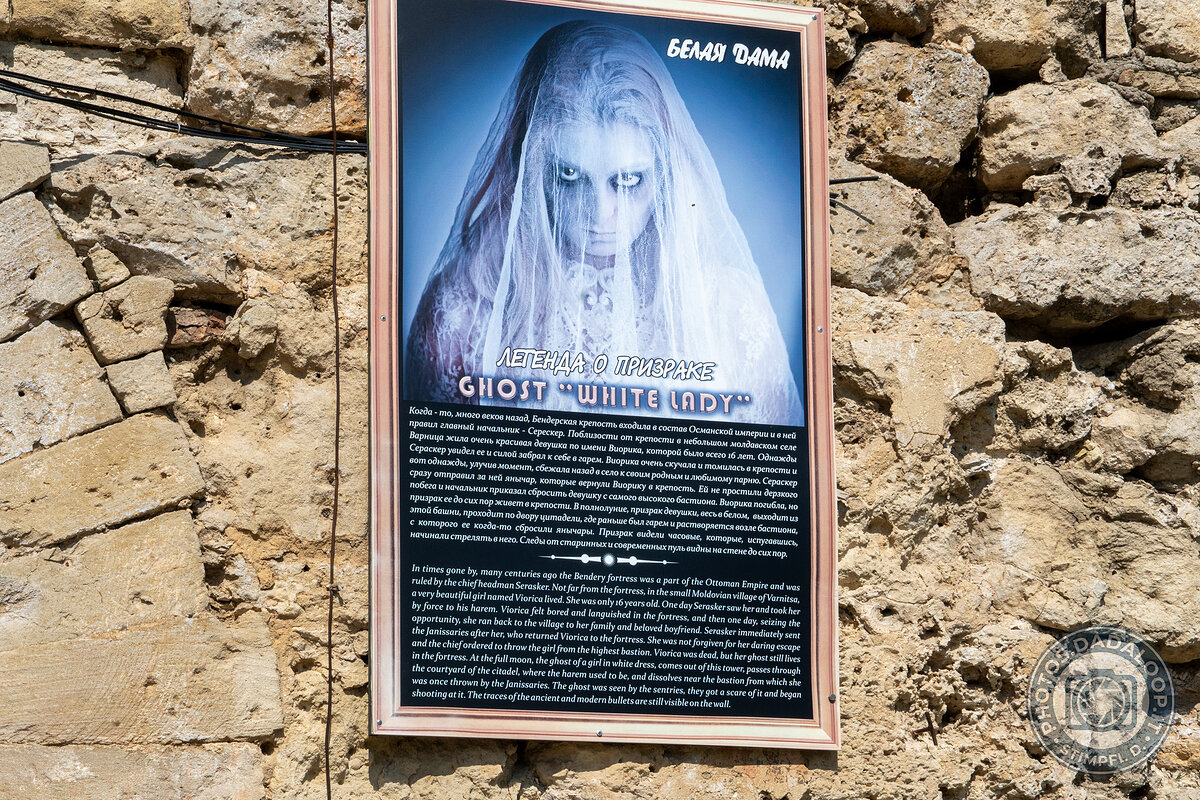
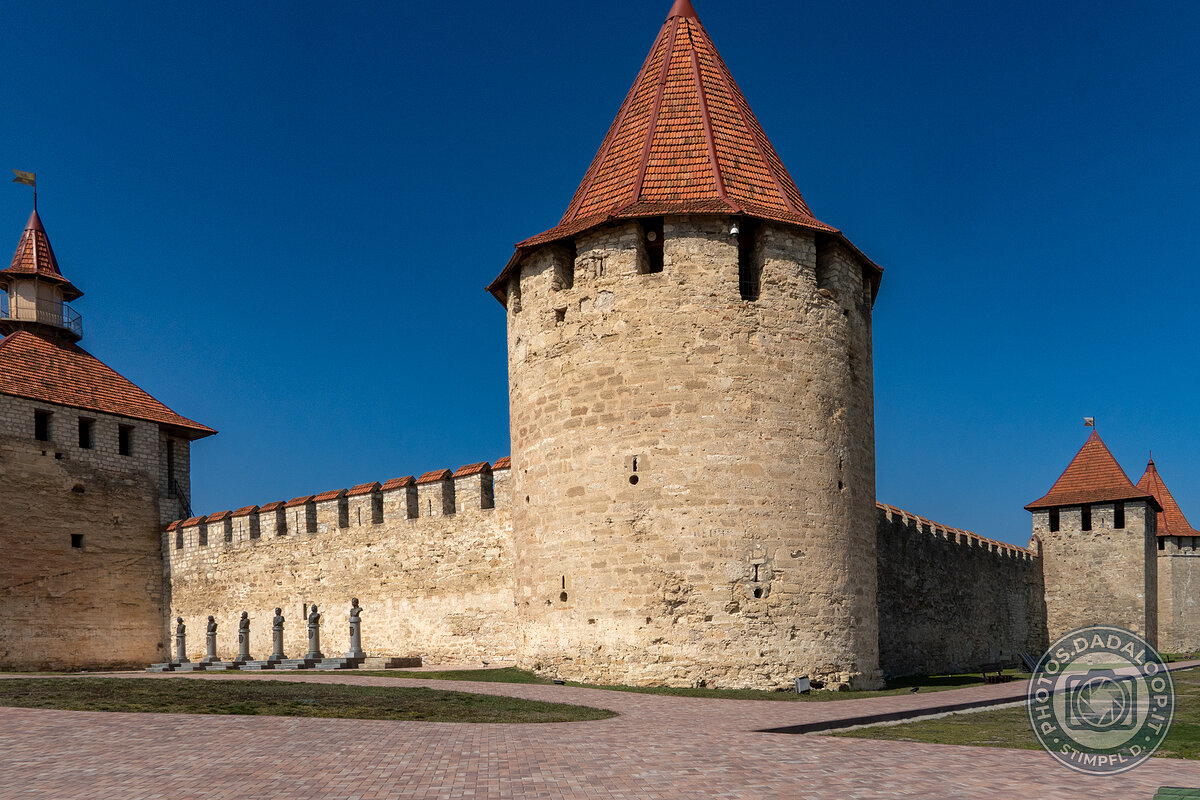
📍 Bosco Verticale
Bosco Verticale: Capturing Milan's Vertical Forest and Urban Oasis
There's something truly captivating about Bosco Verticale in Milano. Every time I visit, I'm struck by the sheer audacity and beauty of these two residential towers, literally draped in thousands of trees and plants. It’s an architectural marvel that redefines what a city skyscraper can be, transforming concrete and steel into a living, breathing ecosystem. Walking around the Porta Nuova district, I always find myself looking up, drawn by the vibrant greenery that softens the urban edges, creating a unique dialogue between nature and modern design. It’s a place that constantly challenges my perspective, encouraging me to find new angles and appreciate the intricate details of this groundbreaking project.
My goal in photographing Bosco Verticale is always to convey that sense of wonder and the harmonious, yet dynamic, coexistence it represents. From the iconic sight of a historical tram passing by, offering a glimpse of Milan's past against its future, to the way the nearby UniCredit Tower reflects the ever-changing sky, the area around Bosco Verticale is a photographer's dream. It’s a testament to innovation, a vibrant hub where the pulse of the city meets a bold vision for sustainable living, and I try to capture that energy in every frame.
My Photographic Approach to Bosco Verticale
- Equipment: OPPO Find X5 (smartphone), Sony G8141
- Navigating Light and Shadow: Photographing Bosco Verticale presents fascinating lighting challenges. The sheer height of the towers means deep shadows can be cast, especially during certain times of day, creating dramatic contrasts with areas bathed in brilliant sunlight. Capturing the depth and vibrancy of the plants, while also managing the reflections from the glass facades of adjacent buildings like the UniCredit Tower, required careful timing and exposure adjustments. I often sought out specific times of day, like the soft morning light or the golden hour, to best illuminate the "vertical forest" and the dynamic reflections I sought, as seen in shots of the "Torri Unicredit riflesse nel cielo azzurro di Milano".
- Architectural and Environmental Context: Bosco Verticale isn't just a building; it's a statement about urban ecology and sustainable design, nestled within Milano's thriving Porta Nuova district. Understanding its context, both as a pioneering "vertical forest" and its relationship to other architectural landmarks like the UniCredit Tower and the geometric gardens, informed my photographic choices. I aimed to show how this innovative structure integrates with, and stands apart from, the traditional Milanese cityscape, highlighting its role as a green lung in a bustling metropolis.
- Style and Composition: My photographic style at Bosco Verticale focuses on emphasizing the interplay between nature and human ingenuity. I look for strong lines, repetitive patterns, and the organic flow of the vegetation against the rigid structure. Reflections are a key element, often used to add another layer of visual interest and depth, capturing the surrounding environment within the glass of the towers. I strive to create compositions that convey both the grandeur of the "Le torri Unicredit svettano nel cielo di Milano" and the intricate details of the plants themselves, providing a comprehensive visual narrative of this extraordinary place.
Each visit to Bosco Verticale is a fresh opportunity to explore and capture its evolving beauty. It remains a constant source of inspiration, a reminder of what's possible when design embraces nature, and I feel privileged to document its presence in the heart of Milano.
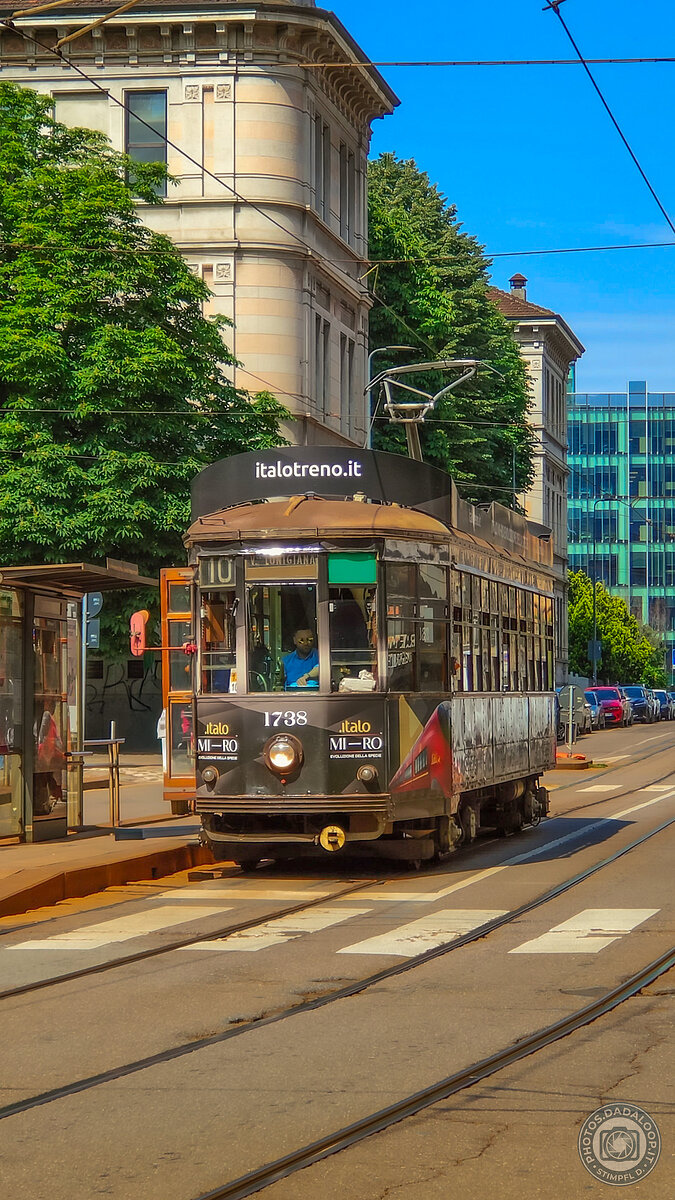
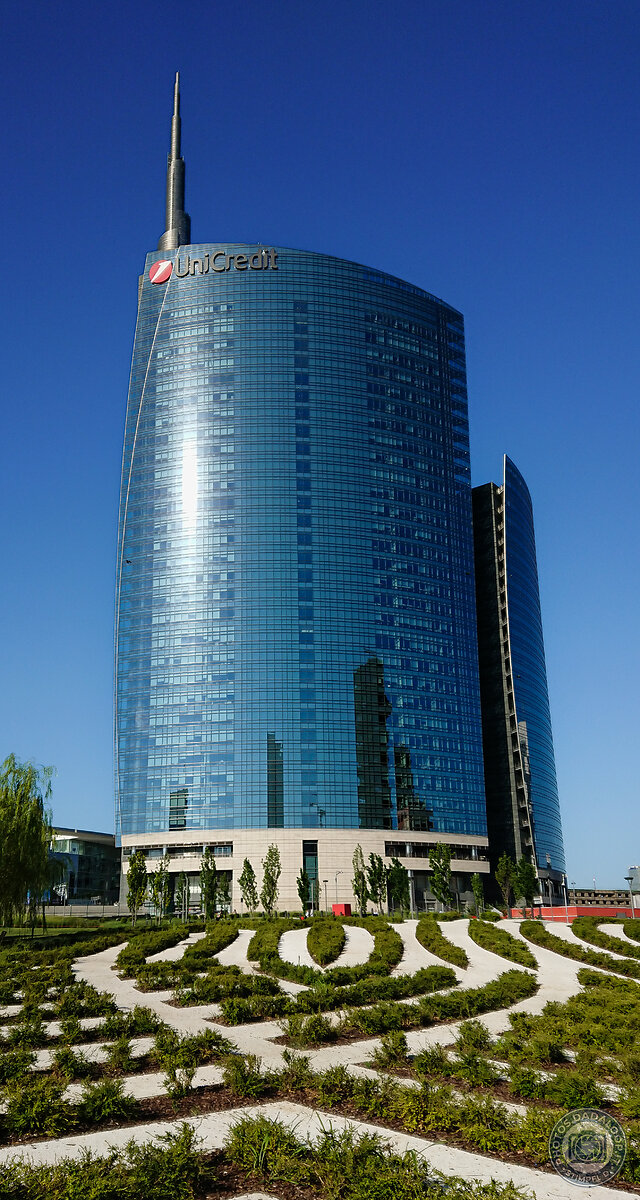
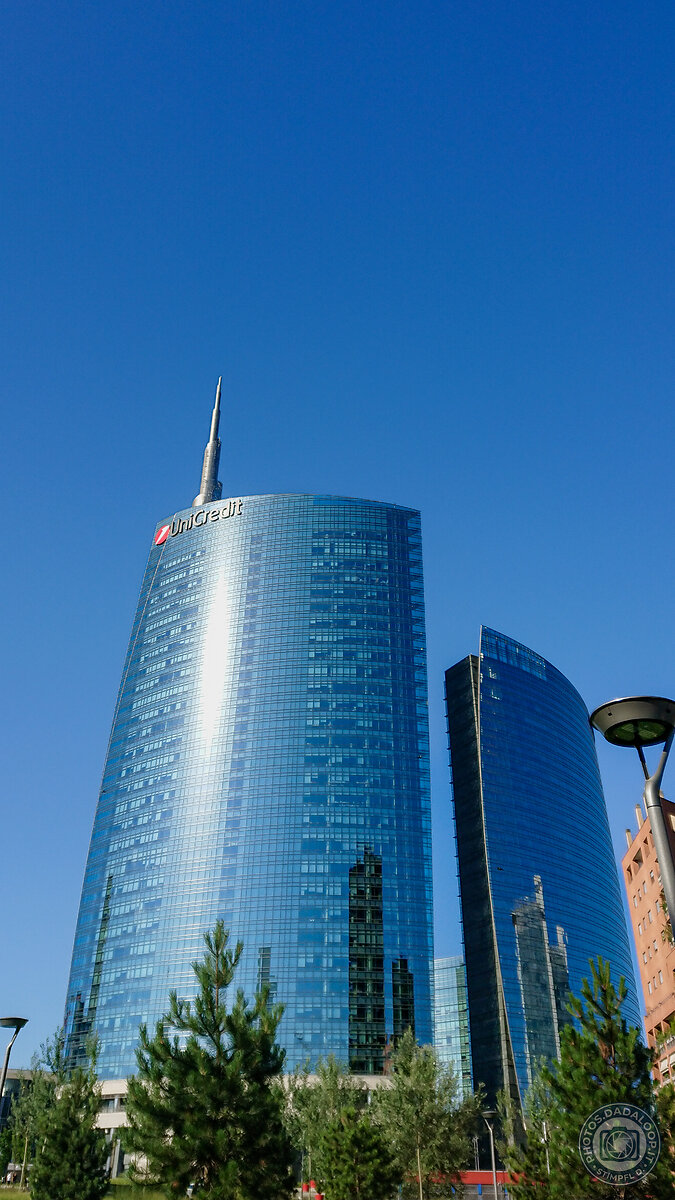
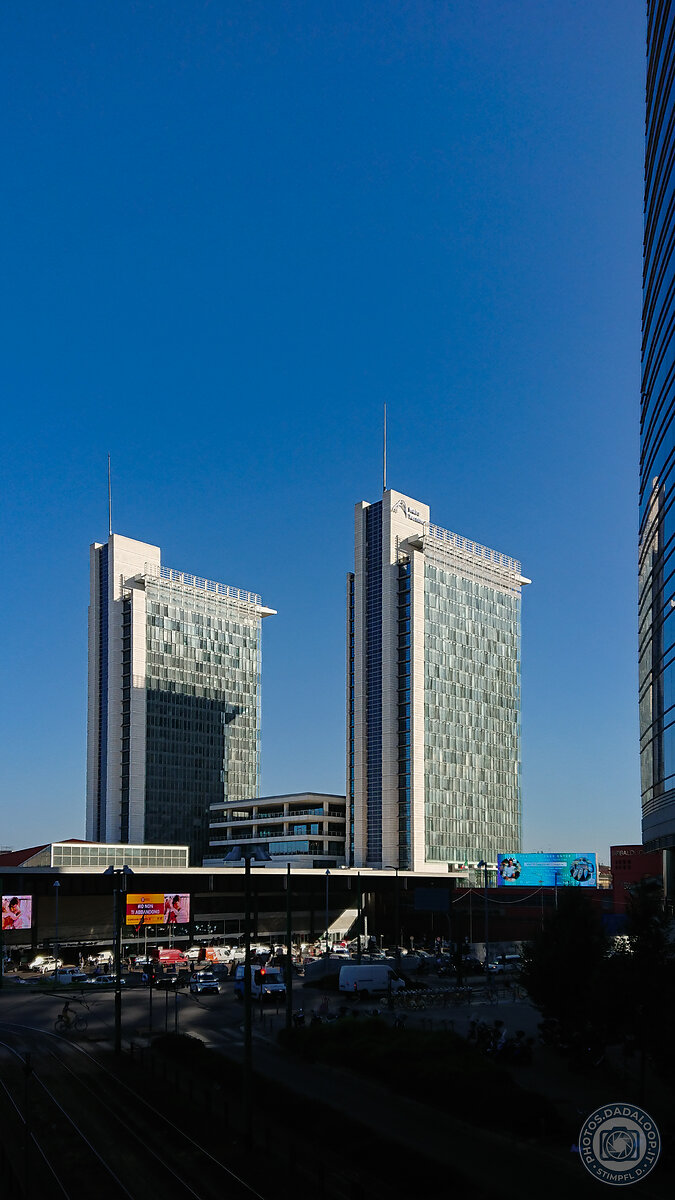
📍 Castello Visconteo
Castello Visconteo: Echoes of the Past in Decaying Grandeur
Stepping into Castello Visconteo was like walking through a dream, a place where time seems to have stood still, allowing nature and memory to slowly reclaim what was once magnificent. The air inside was thick with stories, a palpable sense of lives lived and then abruptly departed. Every creaking floorboard, every peeling fresco, and every object left behind, from a forgotten Cointreau bottle on a radiator to a lonely abandoned cradle, whispered tales of a bygone era. It's this profound atmosphere of abandonment and the delicate dance between decay and enduring beauty that drew me in, compelling me to capture its essence. My Photographic Approach to Castello Visconteo
- For this exploration of Castello Visconteo, I relied on my trusty samsung SM-A715F. Its remarkable versatility proved invaluable in capturing the intricate details and challenging light conditions within the castle's decaying rooms. The ability to manage ISO settings, ranging from a low 64 to a high 500, was crucial for maintaining image quality while working in the often dimly lit and atmospheric spaces, ensuring I could capture the subtle textures and faint light without compromising clarity.
- The ambient light within Castello Visconteo presented a beautiful yet demanding challenge. Many rooms were bathed in a soft, ethereal glow filtering through broken windows or doorways, creating dramatic contrasts and long, evocative shadows. Capturing the subtle nuances of this faint light, especially on poignant subjects like the abandoned cradle or the decaying school benches, required careful exposure and composition to truly convey the melancholic and reflective mood I felt.
- The historical weight of Castello Visconteo is palpable in every crumbling wall and forgotten corner. Once a place of grandeur and perhaps even conflict, it now stands as a testament to time's relentless march. What makes it uniquely compelling is its transformation into a canvas for both natural decay and intriguing artistic interventions, such as the whimsical paper boat installations and the thought-provoking skeletal figures arranged in a classroom. This blend of past glory and present artistic expression makes it an endlessly fascinating subject for documentary photography.
- My approach at Castello Visconteo was deeply personal, aiming to document the narratives whispered by its forgotten spaces. I sought out compositions that highlighted the juxtaposition of decay and beauty, focusing intently on textures, the interplay of light and shadow, and the poignant presence of abandoned objects like the vintage scooter and the aforementioned Cointreau bottle. Each frame was an attempt to preserve a moment of its quiet solitude and the profound, haunting atmosphere of a place left behind to its own devices.
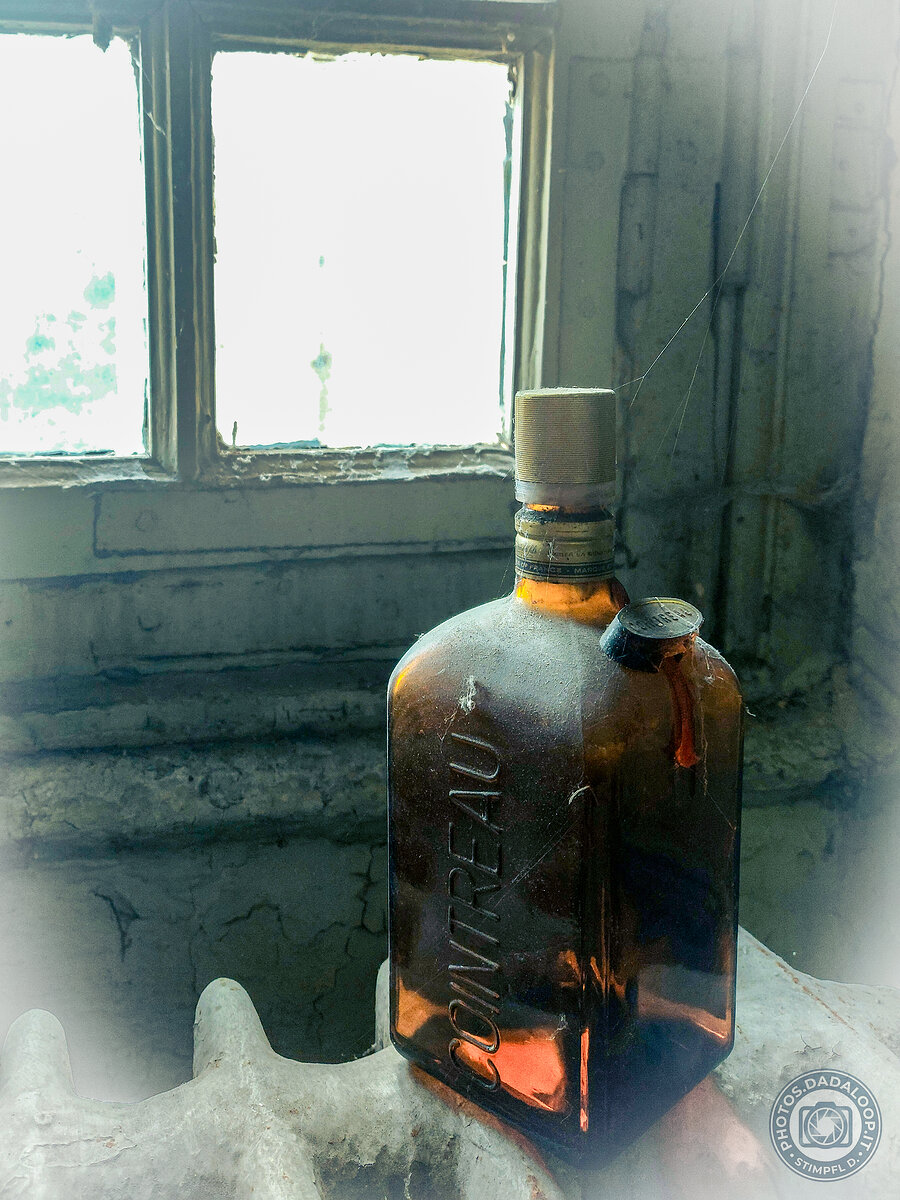
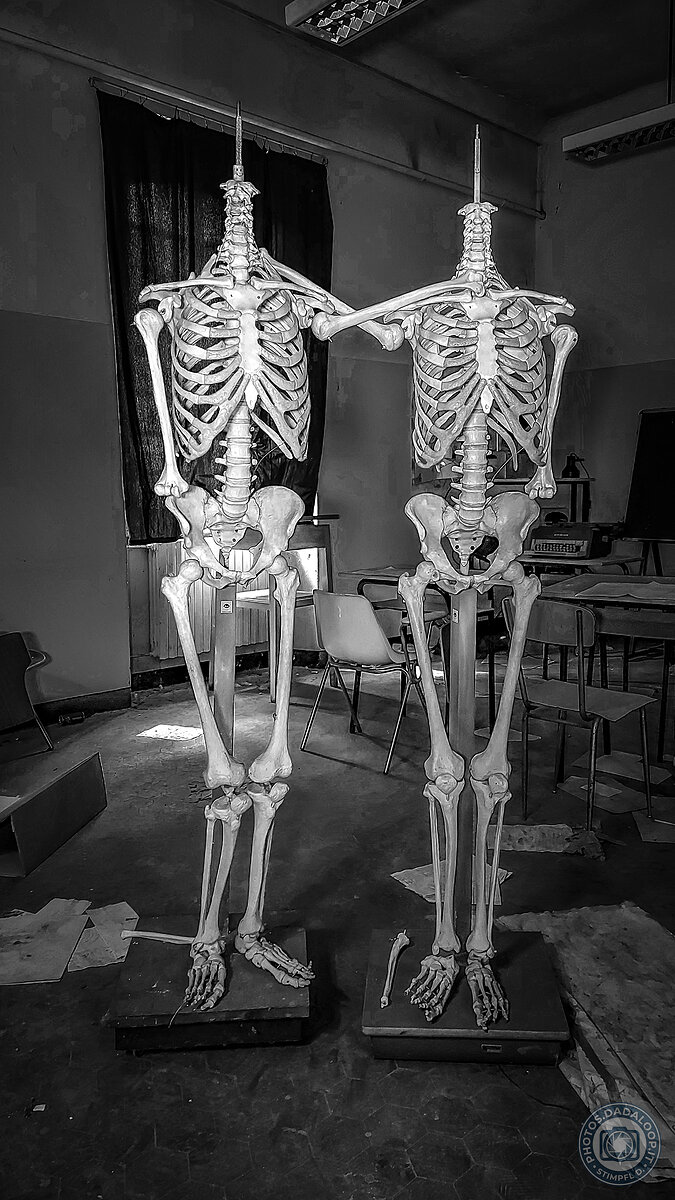
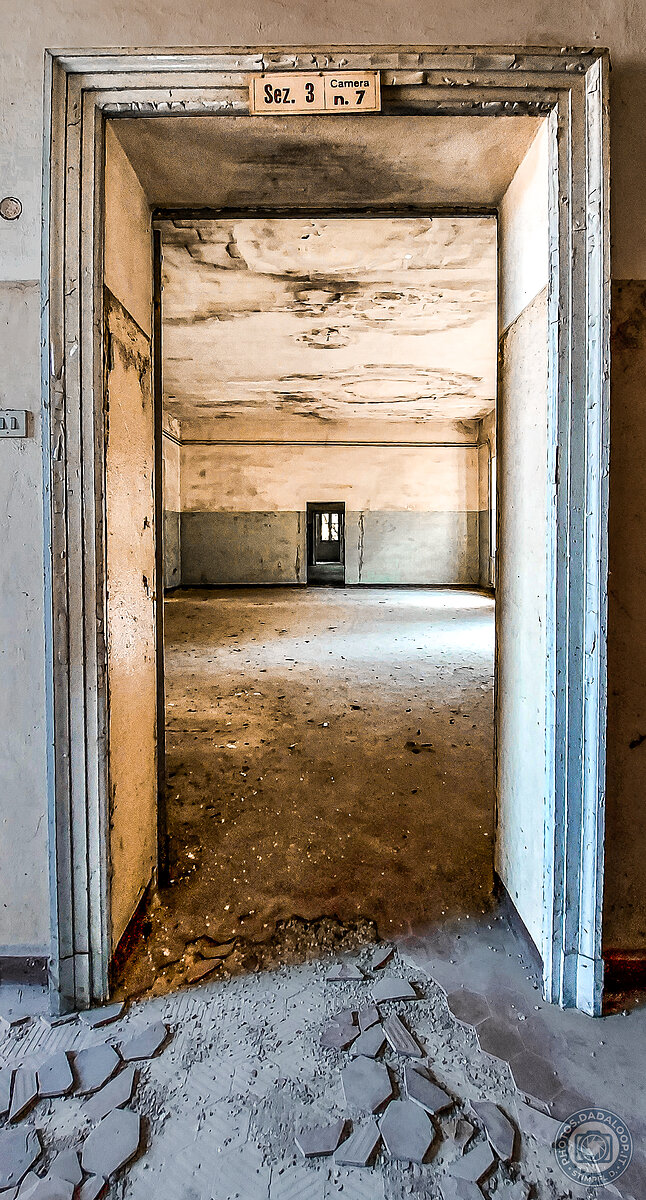
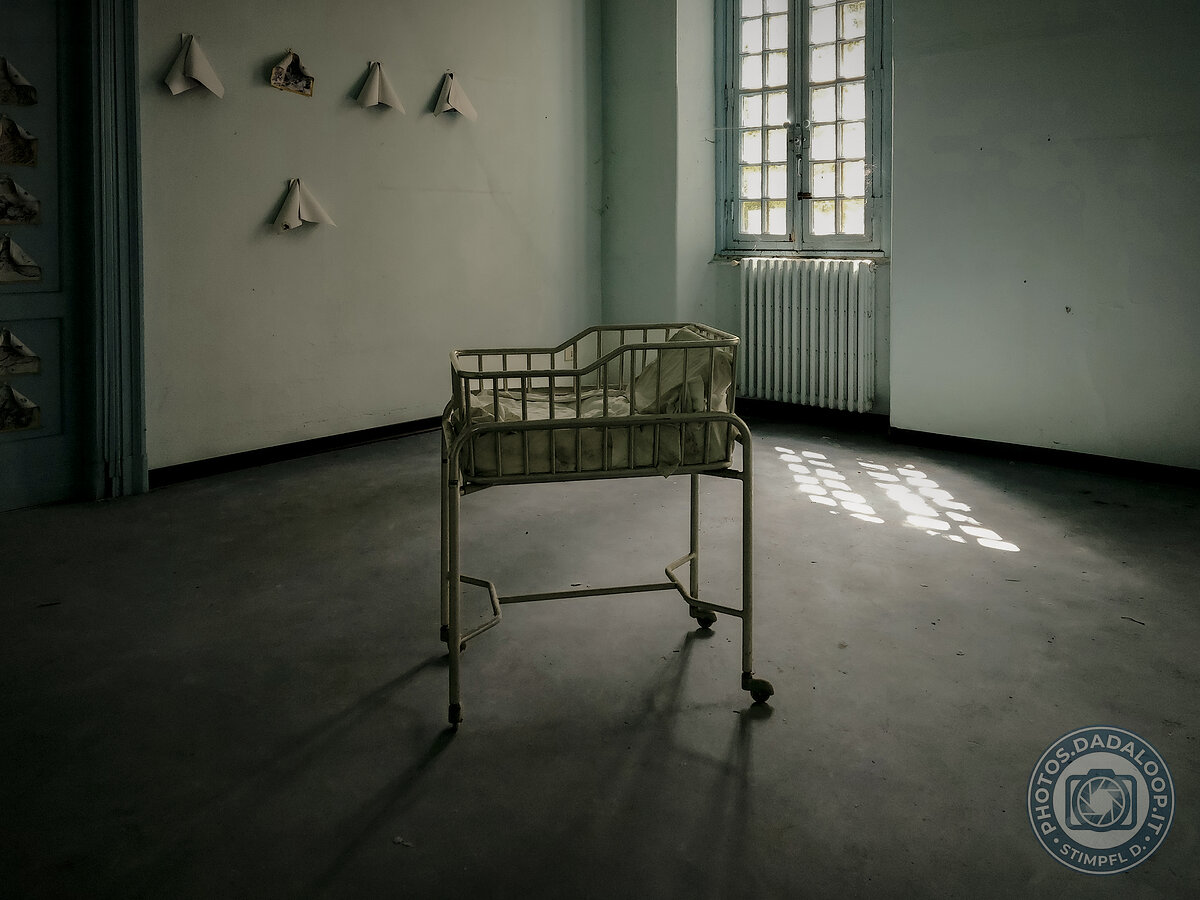
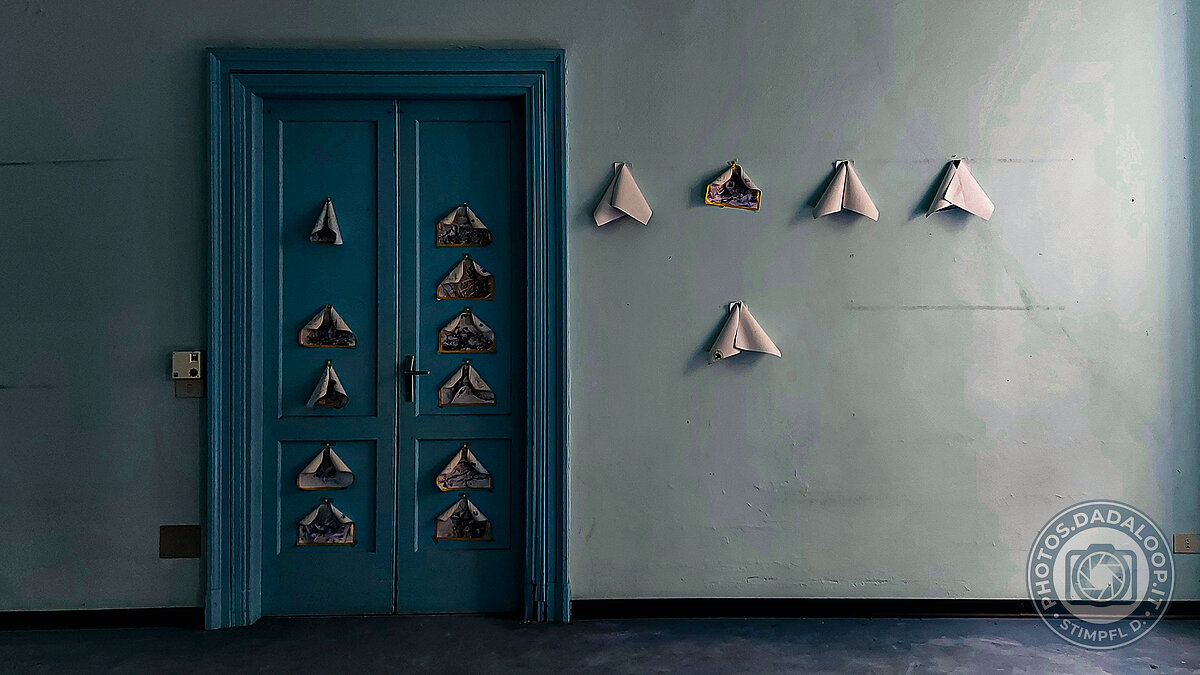
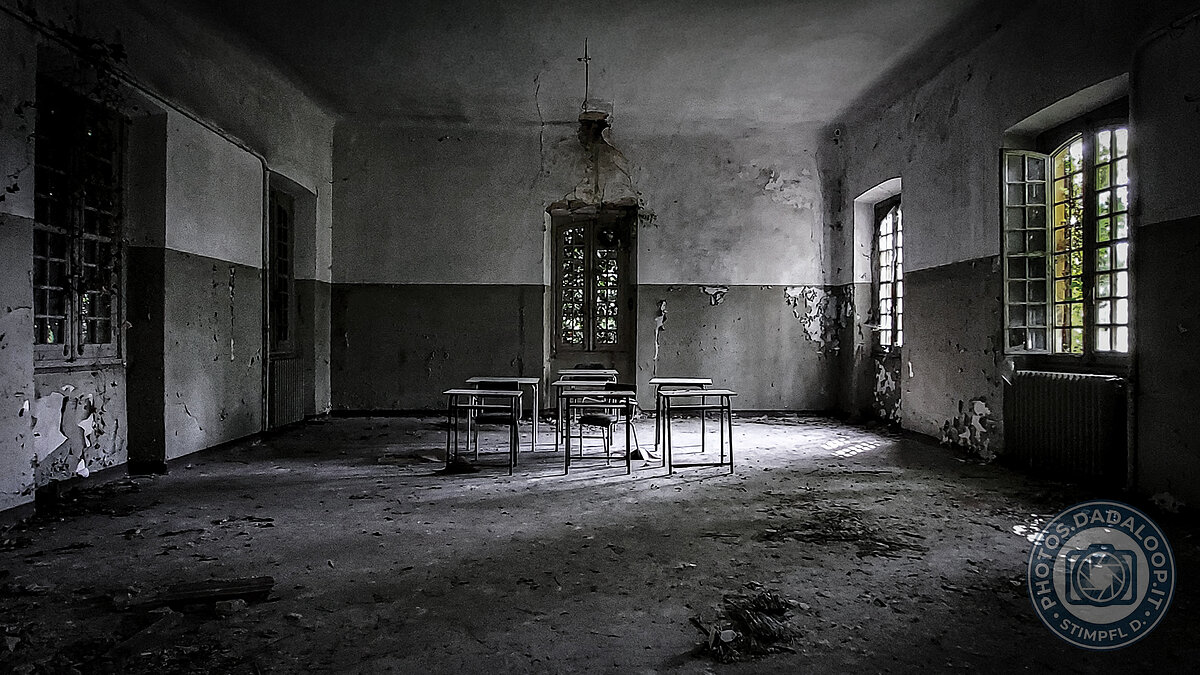
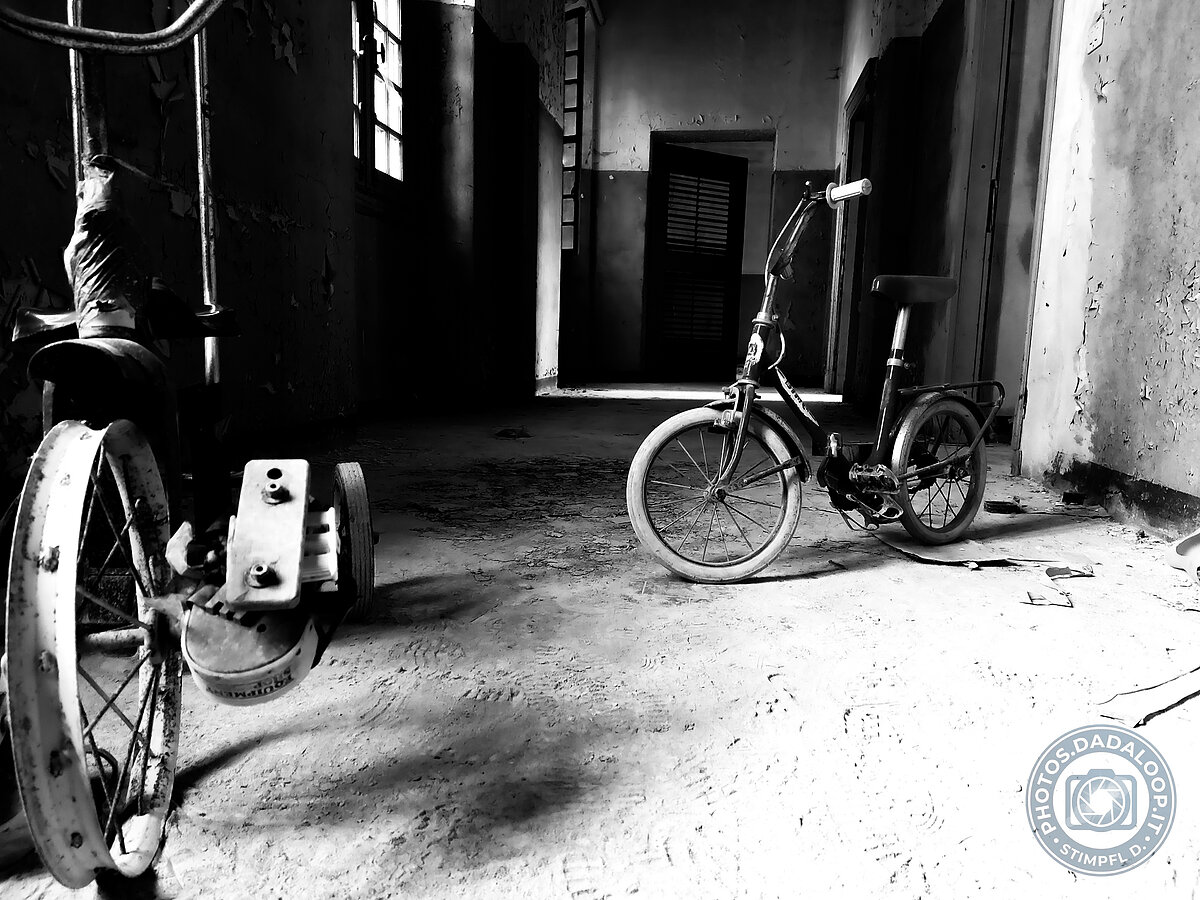
📍 Dosso dei Galli
Dosso dei Galli: A Glimpse into High-Altitude Contrasts
Reaching Dosso dei Galli is always an experience that resonates deeply with me. It’s a place where the wild beauty of the alpine landscape collides with the stark, almost alien presence of human technology. As a photographer, this peak offers a compelling narrative, a visual dialogue between the rugged earth and the metallic structures reaching for the sky. The air is often crisp, the views expansive, and the mood can shift dramatically with the passing clouds, creating an ever-changing canvas for my lens. I find myself drawn to the unique atmosphere, a blend of natural grandeur and the intriguing geometry of the man-made, which makes every visit to Dosso dei Galli a fresh photographic exploration.
Exploring Dosso dei Galli Through My Lens
- My Gear for the Ascent: For these challenging conditions, I relied on my trusty NIKON D3400 and occasionally my Sony G8141. Both cameras, paired with the versatile 18.0-55.0 mm f/3.5-5.6 lens, proved invaluable. This combination allowed me to capture both the sweeping vistas of the alpine valley and the intricate details of the antennas, adapting to the diverse demands of the landscape at Dosso dei Galli. The robust build of these cameras gave me confidence in the high-altitude environment, ensuring I could focus on composition rather than equipment limitations.
- Mastering the Light: The light at Dosso dei Galli is a character in itself – often dramatic and demanding. I've photographed everything from alpine valleys illuminated by sun rays piercing through thick clouds to scenes dominated by a leaden sky casting an intense, almost melancholic tone over the brulla hill. Working within my preferred ISO range of 40-100 meant every exposure had to be precise, especially when the sun would suddenly break through, creating strong contrasts between the bright metallic surfaces of the parabolic antennas and the shadowed slopes. It was a constant dance with the elements, seeking to capture the fleeting moments of extraordinary light.
- The Unique Context of Dosso dei Galli: This peak isn't just a natural wonder; it's a testament to human ingenuity placed within an untouched environment. The presence of various antennas, from giant parabolic dishes to triangular structures, some active, others seemingly abandoned, adds a layer of intrigue to the landscape. They stand as monuments on the grassy or bare hills, silent observers under the vast, often cloudy sky. This striking contrast between the raw, untamed mountain and these imposing, man-made forms is what truly defines the photographic potential of Dosso dei Galli. It's a place where history and future seem to coexist.
- My Vision and Technique: When I photograph Dosso dei Galli, my aim is to emphasize the powerful contrast between nature and technology. I often seek compositions that highlight the scale of the imponente antenna parabolica against the expansive sky, or the intricate intreccio metallico as it reaches upwards. I patiently wait for the perfect interplay of light and clouds, allowing the elements to sculpt the scene. Whether it's the warmth of the sun-illuminated antennas or the stark drama of a leaden sky framing an abandoned antenna, I strive to convey the unique atmosphere and the compelling story of this remarkable peak.
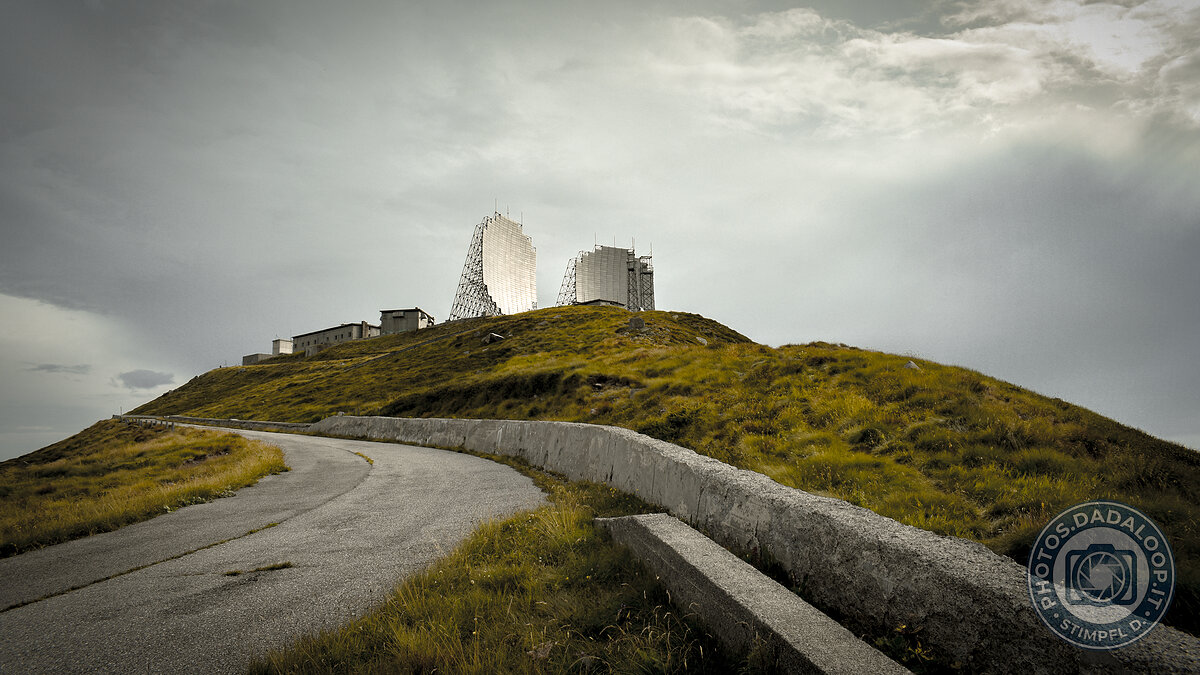
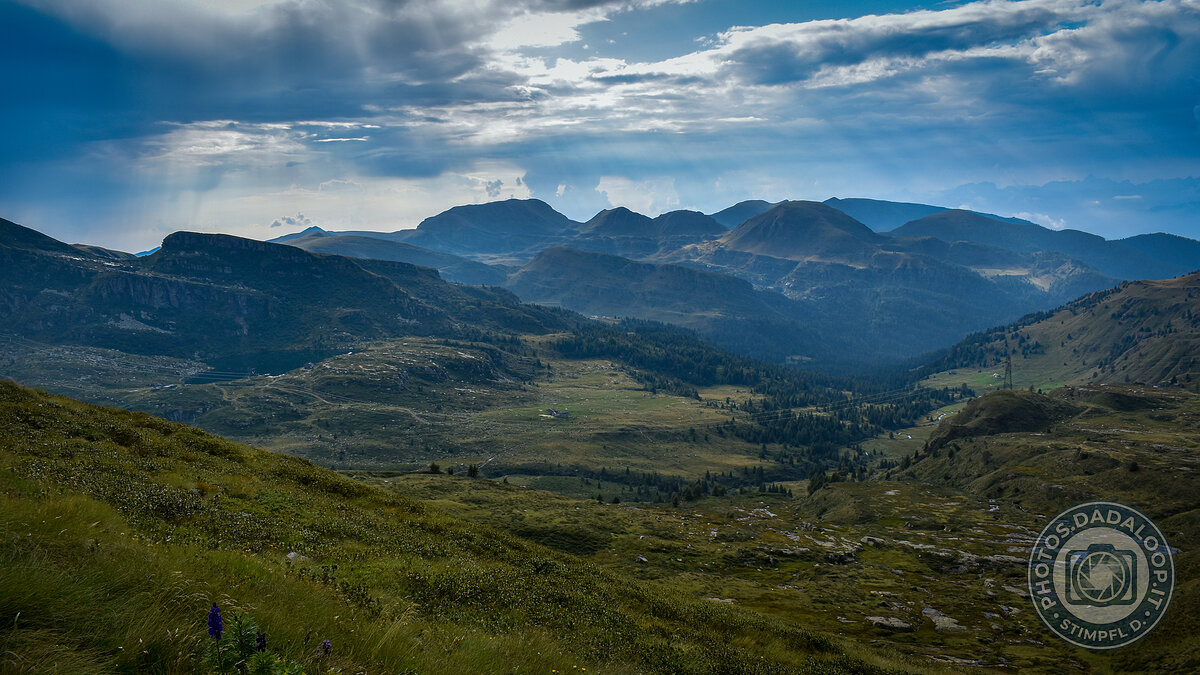
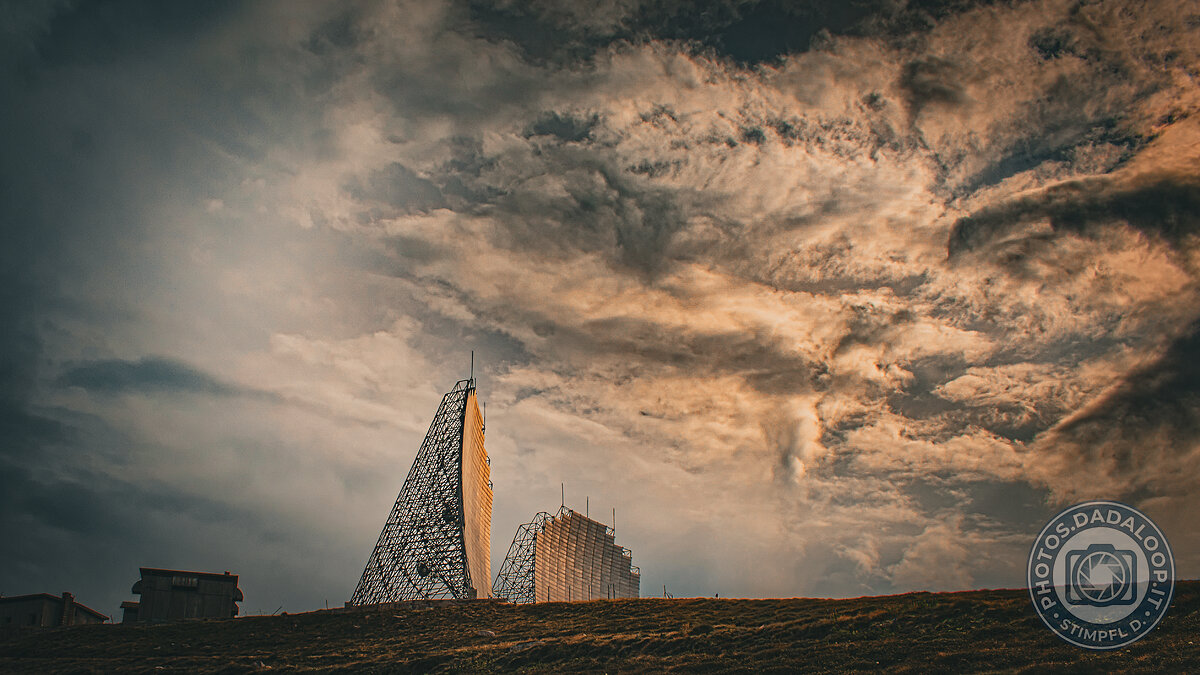
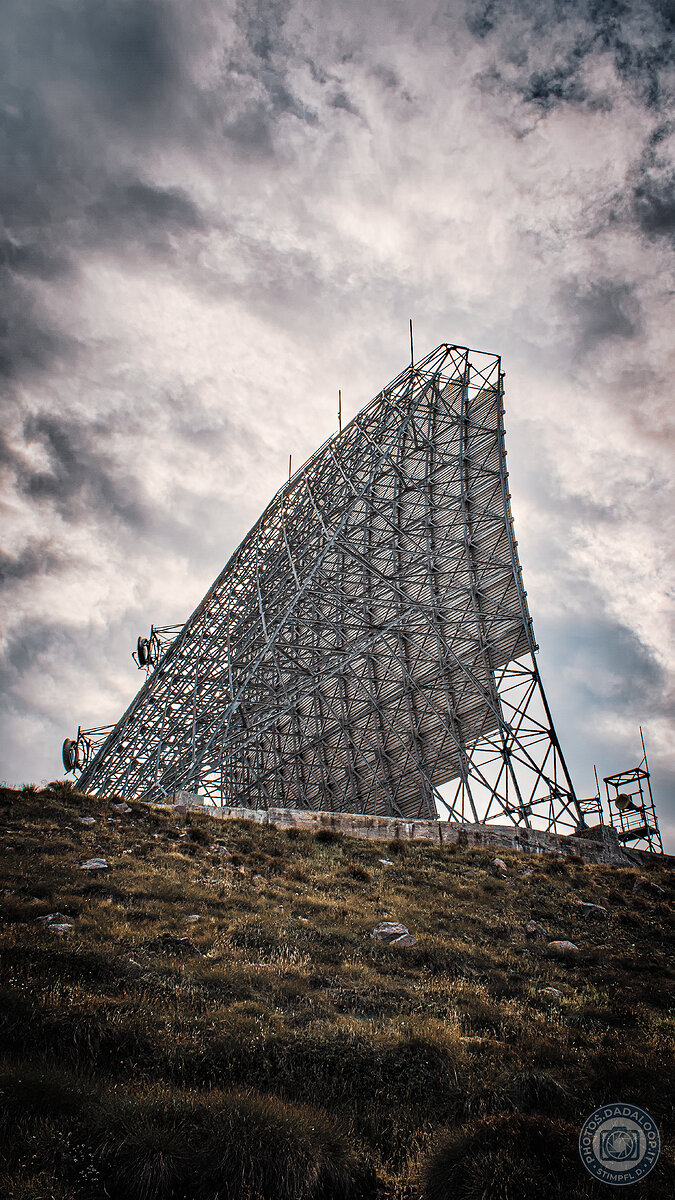
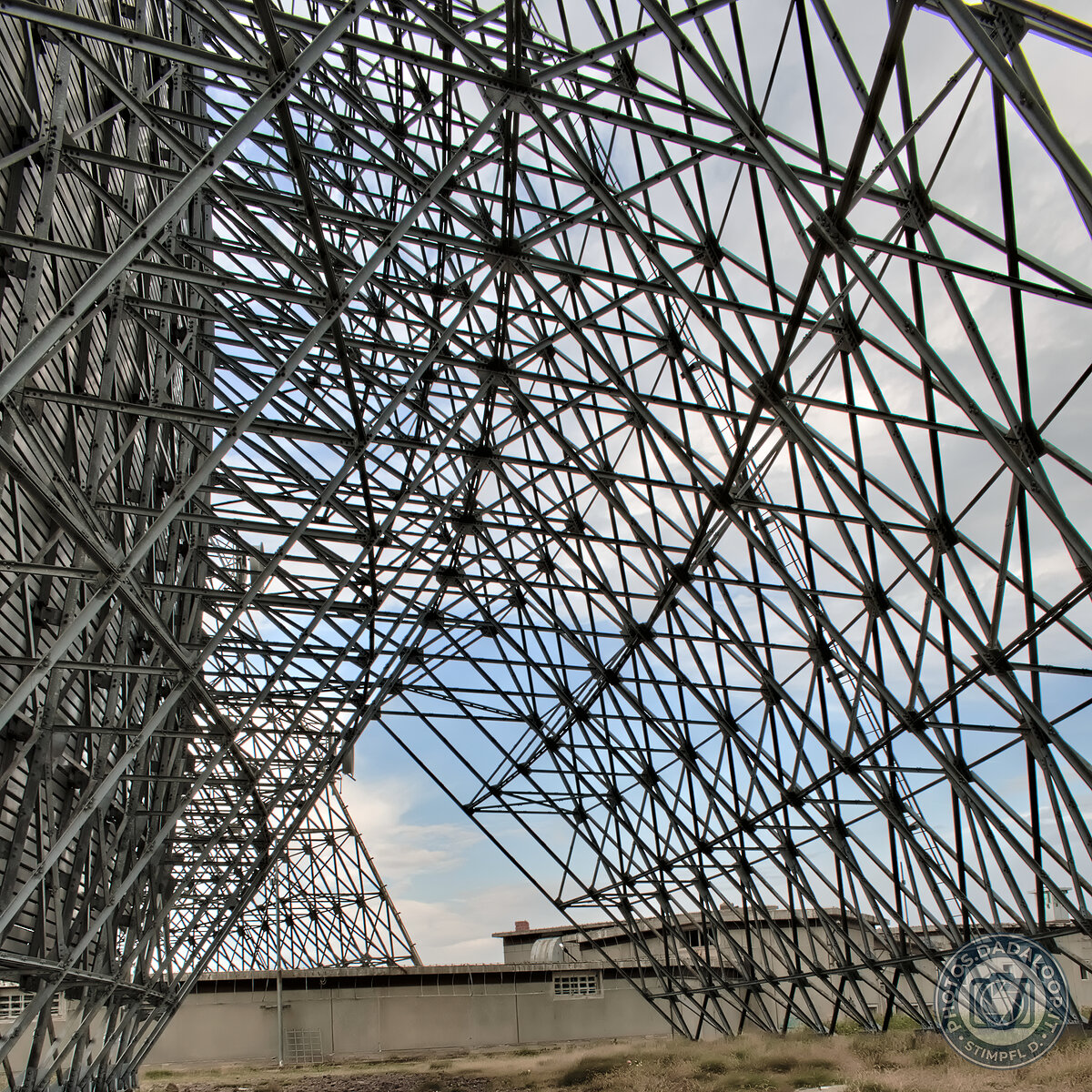
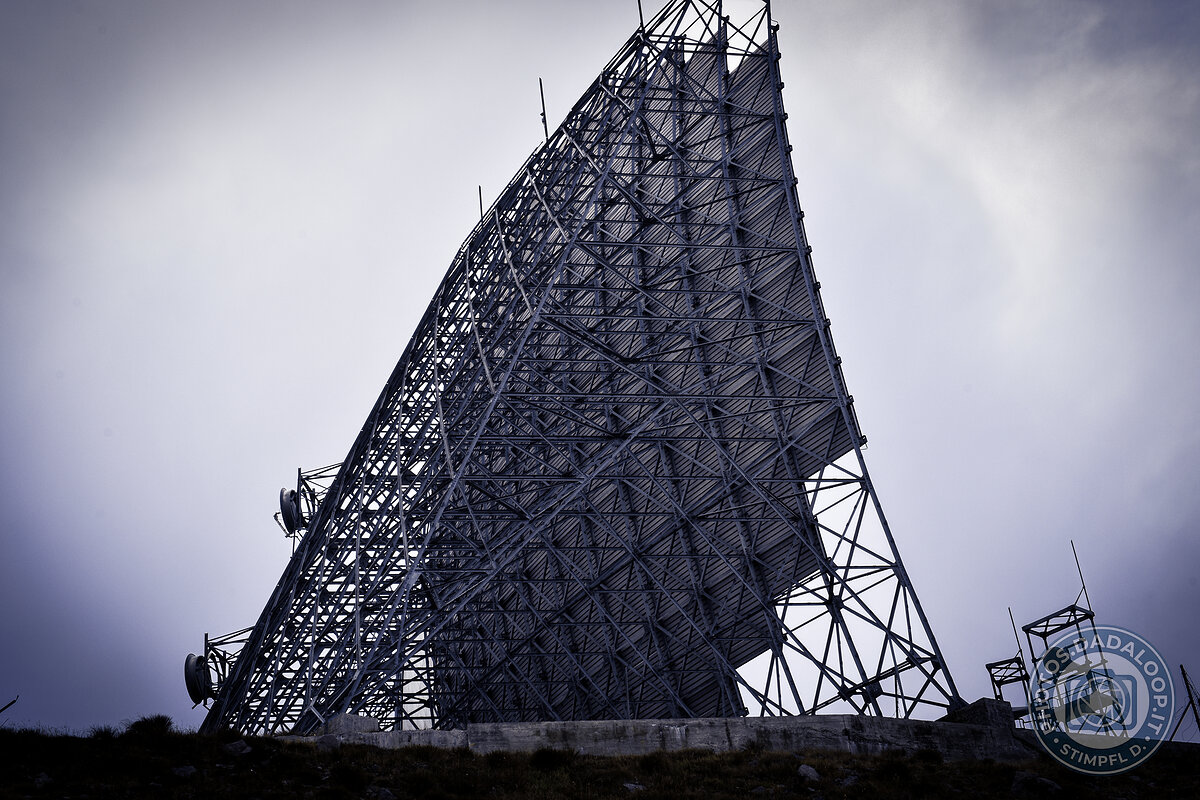
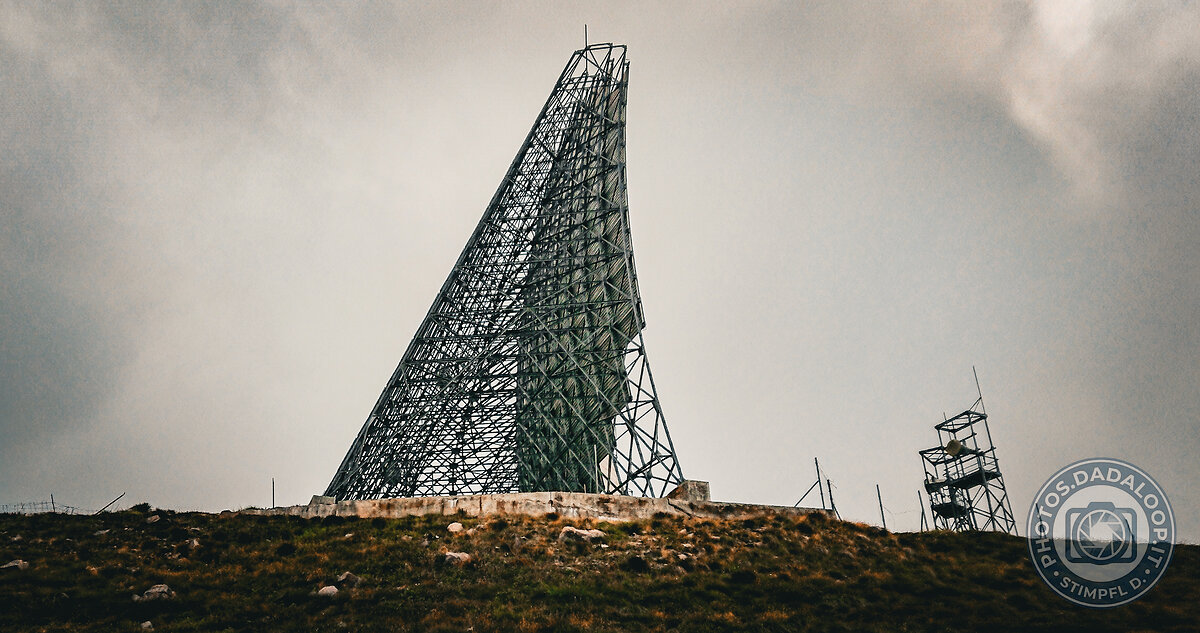
Abandoned school desks in dim light
Shot 4 years ago · uploaded 1 months ago · in Scuola Abbandonata
Exploring the World Through My Lens
My photographic journey is a constant exploration, a quest to capture the beauty and stories hidden in plain sight. From the charm of rural landscapes to the gritty allure of urban decay, I strive to document the world as I see it, one frame at a time. These are some of my recent adventures:
Recently, I spent time capturing the rustic charm of farm animals, focusing on their curious expressions and connection to the land. April 2026 also saw me documenting the silent sentinels of history in my "Castles and Historical Ruins" album, highlighting the architectural grandeur of bygone eras. Then, I ventured to Chișinău between March and April 2026, immersing myself in its vibrant culture and capturing the essence of the city, from its golden-domed churches to its bustling nightlife.
My fascination with the past extends to my "Portals and Thresholds" and "Abandoned Architecture" collections, featuring images taken from 2019 to 2026. These photographs explore the beauty of decay and the stories left behind in forgotten spaces. Similarly, "Architectural Details," spanning from 2017 to 2026, focuses on the intricate designs and craftsmanship that define our built environment, like the iconic submerged bell tower in Resia Lake.
I also enjoy capturing the artistic spirit of urban spaces, as seen in my "Sculptures and Urban Installations" and "Panorama" albums. From bronze spheres reflecting the sunset to sweeping vistas of the Italian Alps including the iconic Lake Resia, these images showcase the creativity and natural beauty that surround us. In March 2026 I traveled to Moldova again and focused on Orheiul Vechi & Butuceni, and Transnistria, recording the rustic charm and atmosphere of decay.
My "Urbex Graffiti," "Abandoned Labs," "Abandoned Hospitals," and "Abandoned Schools" collections, all taken between 2019 and 2025, delve into the haunting beauty of forgotten places, where nature reclaims what was once man-made. The "Abandoned Factories" and "Vintage Objects" albums further explore this theme, highlighting the textures and stories embedded in forgotten artifacts. From Gaudí's architecture in Barcelona in May 2023 to urban landscapes, my lens seeks to capture the essence of each subject. My photographic archive consists of a total of 286 photos, collected since 2012.
Updated 09/05/2026

Daniel Stimpfl — Photographer
Photography is my way to freeze time, to capture a unique and unrepeatable moment. Every shot tells a story, every light paints an emotion.
From the Dolomite mountains to urban landscapes, from macro to portraits: my passion knows no boundaries.